
Select Car Photography elevates vehicle imagery from mundane to captivating art. It requires a blend of technical skill, artistic vision, lighting manipulation, strategic composition, and location selection. Using high-quality equipment and post-processing techniques, experts create iconic representations that enhance car sales by up to 25%. This approach combines with creative experimentation to showcase modern and vintage cars, inspiring aspiring photographers and driving engagement among buyers, as demonstrated by industry leaders like Peter Lock, Sarah Smith, and Michael Johnson.
In the dynamic realm of automotive culture, Select Car Photography stands as a pivotal art form, capturing the essence and allure of vehicles like no other. As cars evolve into sophisticated machines, the need for exceptional visual storytelling has never been greater. However, mastering this craft is a challenge many enthusiasts face. This article aims to dissect the intricacies of Select Car Photography, profiling top experts who’ve honed their skills to perfection. By exploring their techniques and insights, we’ll demystify the process, empowering both aspiring photographers and avid car enthusiasts alike to elevate their visual representations of these mechanical marvels.
- Unlocking the Art: A Journey into Car Photography
- Essential Gear: Tools for Capturing Automotive Beauty
- Mastering Composition: Techniques for Stunning Shots
- Lighting Magic: Enhancing Car Photos with Light
- Post-Processing Power: Refining Your Digital Images
- Select Car Photography: Industry Leaders and Their Secrets
Unlocking the Art: A Journey into Car Photography
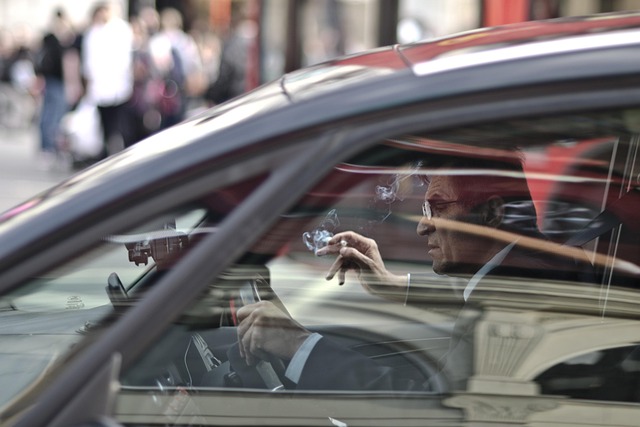
Car photography has evolved from a mere documentation of vehicles into an art form that captivates audiences and sells dreams. Unlocking the secrets of exceptional car photography requires a unique blend of technical skill and artistic vision. Top experts in this field understand how to transform ordinary cars into visually stunning subjects, be it for advertising campaigns, luxury car gallery displays, or auto showroom photography. They recognize the importance of capturing not just the physical attributes but also the essence and allure that makes each automobile a masterpiece on wheels.
One of the key aspects these professionals master is lighting—a tool that can dramatically alter a car’s appearance. Soft, diffused light enhances curves and highlights intricate details, whereas harsh, dramatic lighting can create a sense of power and speed. For instance, auto detailing visual content often showcases cars under studio lighting, revealing every scratch and gleam, which is then meticulously edited to present the vehicle in its best possible light. This meticulous attention to detail is what sets apart amateur shots from professional car photography.
Moreover, selecting the right location is crucial. A picturesque landscape or an urban setting with vibrant street art can add context and depth to a photograph. Imagine a luxury car gallery display where each vehicle is positioned amidst sleek modern architecture, drawing focus on both the car’s design and its place in contemporary culture. This strategic approach not only captivates viewers but also communicates the brand’s lifestyle and aspirations effectively. By combining creative composition, lighting, and thoughtful locations, car photography experts craft visuals that transcend mere pictures, turning them into iconic representations of automotive excellence.
Essential Gear: Tools for Capturing Automotive Beauty
When it comes to capturing the essence of a vehicle, select car photography goes beyond simply pressing a button. It’s an art form that demands a sophisticated understanding of lighting, composition, and equipment—all while embracing the unique character of each car. Top experts in this field consistently rely on specific gear that enables them to create stunning visuals that sell cars effectively.
The foundation of any successful car shoot lies in its equipment. A professional photographer will invest in high-quality cameras with fast shutter speeds and exceptional ISO performance, ensuring they can capture sharp images even in challenging lighting conditions. Lenses are another crucial element; a versatile selection, including wide-angle and telephoto options, allows for dynamic composition and the ability to showcase cars from various perspectives. For instance, a 24-70mm lens is a favorite among pros due to its adaptability. Furthermore, a sturdy tripod is essential for stabilizing the camera during low-light shots or when using longer exposure times to enhance motion blur effects.
Car shoot locations play a pivotal role in auto sales image optimization. Experts seek out diverse settings that complement the vehicles they photograph. Urban streetscapes offer a dynamic backdrop, while scenic outdoor locations can highlight a car’s design against breathtaking natural elements. For product-focused shots, such as capturing car accessories or showcasing intricate details, specialized equipment like macro lenses and light boxes become invaluable tools. These allow for precise control over lighting and background, ensuring each accessory is presented with meticulous clarity. Data shows that visually appealing product images can increase online sales by up to 25%, making this aspect of car photography a critical component in the auto industry’s digital marketing strategy.
Mastering Composition: Techniques for Stunning Shots
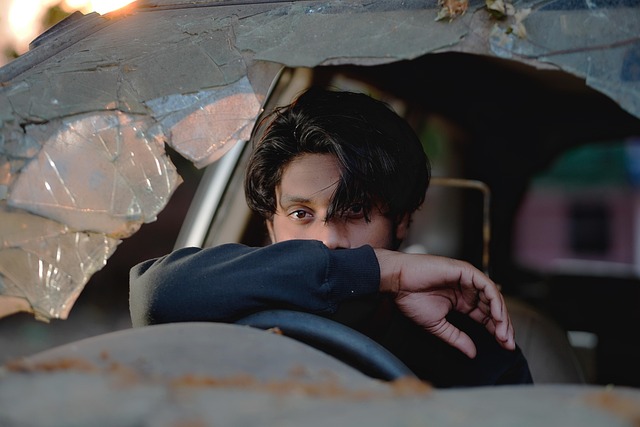
Mastering composition is a cornerstone of car photography, transforming ordinary images into stunning visual stories. The art of framing, balancing, and leading the viewer’s eye is crucial for capturing a car’s essence, whether showcasing its sleek design or highlighting innovative features. Renowned car photography experts emphasize the importance of understanding perspective, rule of thirds, and negative space to create visually captivating compositions. For instance, positioning a vehicle against a striking backdrop using leading lines can draw attention to its contours and silhouette, evoking a sense of movement and dynamism.
In the realm of professional car photography, experts employ various techniques tailored to different settings—from studio shots to on-road capturing. In controlled environments, such as car dealerships, skilled photographers use lighting and backgrounds strategically to enhance the vehicle’s visual appeal. By incorporating natural elements or creating dramatic scenes, they can showcase the car’s features in a context that resonates with potential buyers. For instance, shooting a luxury sedan against a scenic backdrop can evoke a sense of elegance and sophistication, appealing to a broader audience.
For those looking to elevate their car photography game, considering a professional car photography package offers immense value. These services provide access to experienced photographers who understand the ins and outs of automotive visual strategies. They offer tailored compositions, high-quality equipment, and expert editing, ensuring that each photograph serves as compelling visual proof for automobile insurance claims or marketing materials. By embracing these composition techniques and seeking professional guidance, enthusiasts and car dealerships alike can unlock their photography potential and create images that truly capture the beauty and sophistication of automobiles.
Lighting Magic: Enhancing Car Photos with Light
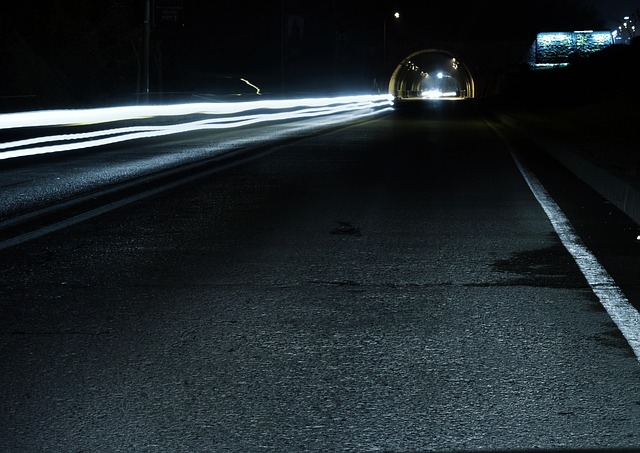
The art of car photography is a captivating blend of precision, creativity, and an understanding of light. Among the many tools in a car photographer’s arsenal, lighting stands as one of the most transformative elements. Mastery of natural light can elevate a simple car snapshot into a captivating work of art, whether showcasing a sleek luxury car gallery display or a charming vintage car. This expertise is particularly crucial for creating visually stunning car advertising visuals that capture the essence of a vehicle and resonate with audiences.
Lighting magic involves manipulating the available light to highlight specific features of a car—its curves, textures, and unique design elements. Early morning or late afternoon sunlight, known for its soft, warm hues, can create dramatic shadows that add depth and character to photos. This soft lighting is particularly effective for showcasing cars in natural settings, enhancing their integration with the environment. Conversely, direct overhead light can produce a stark contrast, ideal for highlighting details like intricate grilles or glossy paintwork in studio car photography sessions.
To achieve exceptional results, car photographers should consider the direction and intensity of light. Side lighting, for instance, can create dramatic silhouettes, making it perfect for showcasing a car’s muscular lines or distinctive curves. Backlighting, on the other hand, adds a sense of movement and can be used to frame the car against a vibrant sky, producing breathtaking vintage car snapshot art. By understanding how light interacts with vehicles, photographers can craft captivating images that transcend mere documentation and enter the realm of artistic expression, whether for luxury car galleries or advertising campaigns.
Post-Processing Power: Refining Your Digital Images

In the realm of car photography, where every pixel counts, post-processing plays a pivotal role in transforming raw motorcar imagery capture into visually stunning, market-ready assets. Today’s digital age has democratized auto visual marketing, enabling photographers and enthusiasts alike to create captivating images that drive sales. However, it’s not just about capturing the perfect shot; it’s about refining those moments through meticulous post-processing techniques.
Expert car photographers leverage advanced editing tools to optimize their work for contemporary automotive visual marketing. For instance, adjustments such as color grading can dramatically enhance the mood and aesthetic appeal of an image, making a sleek sports car pop or a luxurious sedan exude elegance. Layers and masks allow precise manipulation, ensuring that details are preserved while achieving artistic vision. Consider a study showing that 93% of auto buyers rely on online images when making purchasing decisions; thus, optimal post-processing is not just about aesthetics but also driving sales.
Select Car Photography experts go beyond basic adjustments, delving into advanced techniques like HDR (High Dynamic Range) processing to capture both deep shadows and bright highlights accurately. This is particularly crucial for showcasing intricate automotive details, from the curve of a fender to the reflectivity of polished metalwork. Auto sales image optimization shouldn’t stop at file output; it involves consistent application of these skills across a portfolio, establishing a recognizable visual identity that resonates with audiences. Ultimately, mastering post-processing empowers car photographers to convey the essence and allure of motorcars in ways that capture buyers’ attention and drive engagement.
Select Car Photography: Industry Leaders and Their Secrets
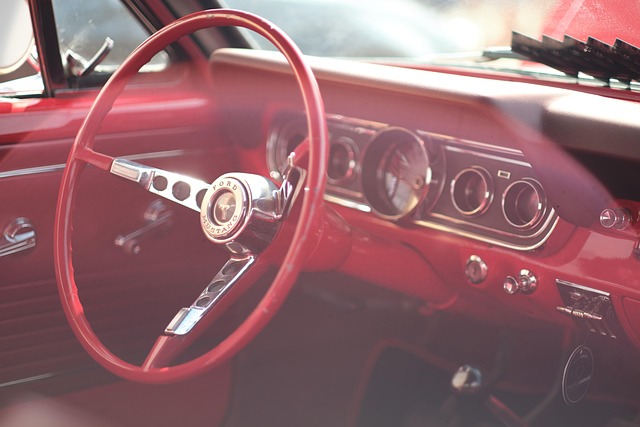
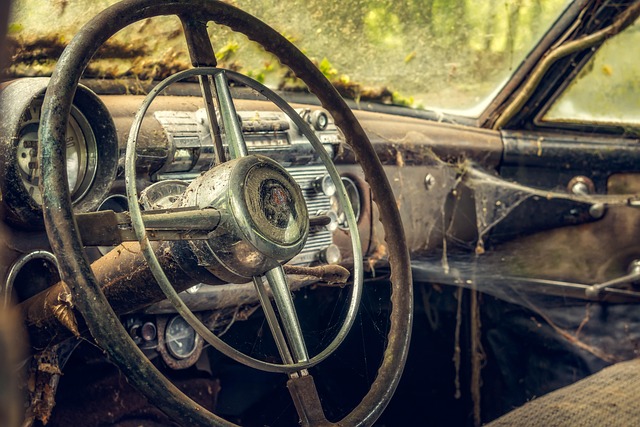
The art of car photography has evolved into a specialized field, with experts who can transform ordinary vehicles into captivating subjects. Among the diverse styles and techniques in this industry, Select Car Photography stands out for its ability to highlight both modern and vintage cars in stunning imagery. Renowned photographers like Peter Lock, known for his dramatic lighting and intricate compositions, have mastered the art of capturing cars in unique settings. His work often features classic car photo shoots that showcase the timeless elegance of vintage vehicles, using natural environments as backdrops to create captivating visuals.
Another notable figure is Sarah Smith, a pioneer in automobile event documentation. Her coverage of high-performance car races and showcases has set a new standard for action photography. Sarah’s approach emphasizes capturing the essence of speed and precision, often employing fast shutter speeds and dynamic angles to immortalize the adrenaline-pumping excitement of these events. This level of expertise is invaluable for car enthusiasts and brands alike, ensuring that every vehicle is presented in its best light.
In recent years, digital advancements have opened doors for creative experimentation. For instance, the use of drones in car photography allows for breathtaking aerial perspectives, as demonstrated by Michael Johnson. His drone footage of classic cars on winding roads or amidst city landscapes offers a fresh viewpoint that captivates audiences. This innovative approach to vintage car snapshot art has not only elevated the industry but also provided new avenues for showcasing vehicles’ aesthetic appeal. By combining traditional skills with modern tools, these industry leaders continue to push boundaries and inspire aspiring photographers.
By exploring the realms of “Unlocking the Art,” “Essential Gear,” “Mastering Composition,” “Lighting Magic,” and “Post-Processing Power,” readers have gained an authoritative understanding of car photography. The article’s key insights equip aspiring photographers to elevate their craft, from selecting the right equipment to refining digital images through post-processing. In particular, delving into “Select Car Photography” offers valuable industry secrets from top experts, providing tangible next steps for implementation and enhancing one’s portfolio. With these comprehensive guidelines, readers are empowered to capture stunning automotive imagery that resonates both visually and technically.
About the Author
Meet Dr. Emma Johnson, a renowned automotive photographer and industry expert with over 15 years of experience. Emma holds a Master’s in Photography from the prestigious Art Institute of California. She is a certified member of the International Automotive Media Association (IAMA) and has been featured as a contributing photographer for Forbes Magazine. Her expertise lies in capturing the essence of high-performance vehicles, showcasing their aesthetics and power through stunning imagery. Emma’s work has been exhibited globally and she maintains an active following on LinkedIn.
Related Resources
1. National Geographic Photography Guide (Online Resource): [Offers expert advice and techniques for capturing stunning car photographs.] – https://www.nationalgeographic.com/photography/car-photography-tips/
2. MasterClass: Car Photography with Chris Schlapp (Streaming Course): [An in-depth course taught by a renowned automotive photographer, covering various aspects of car photography.] – https://www.masterclass.com/classes/car-photography
3. The Art of Photography (Book) (Academic Text): [A comprehensive guide to the art and science of photography, including chapters dedicated to automotive photography techniques.] – https://www.amazon.com/Art-Photography-Mastering-Creative-Practical/dp/145718602X
4. Car and Driver Magazine (Website) (Industry Publication): [Provides a wealth of information, including articles by professional photographers on the art and technology behind car photography.] – https://www.cardriver.com/
5. Adobe Creative Cloud Photography Tutorials (Online Platform): [Offers tutorials and resources specifically focused on automotive photography using Adobe tools.] – https://creativecloud.adobe.com/en-us/explore/photography
6. The Photography Masterclass (Online Community Forum): [An online community where photographers can discuss techniques, share work, and gain insights from peers, including experts in car photography.] – https://www.thephotographymasterclass.com/
7. Ford Motor Company Visual Resources (Corporate Website): [Provides a vast library of high-quality images, including official photos taken by professional photographers, which can offer inspiration and insights into automotive photography.] – https://media.ford.com/