

Car photography workshops equip enthusiasts with skills to capture stunning vehicle images. Key insights include selecting appropriate gear (high-quality camera, lenses, tripod, flash), understanding lighting and composition for diverse environments, and mastering post-processing techniques like HDR. Advanced styling and software tools elevate car photography for personal or professional use, including advertising and fine art.
In today’s visual landscape, compelling car photography stands as a powerful tool for automotive enthusiasts, professionals, and brands alike. It encapsulates the essence of speed, design, and innovation, drawing viewers into the heart of the action. However, capturing the dynamism and beauty of vehicles consistently requires skill and expertise. This is where specialized workshops step in, offering aspiring photographers and car enthusiasts an unparalleled opportunity to elevate their craft. Our article delves into the realm of car photography workshops, providing a comprehensive guide to help you navigate this exciting journey and unlock your potential behind the lens, focusing naturally on Select Car Photography techniques.
- Understanding Car Photography Basics: Equipment & Setup
- Mastering Lighting & Composition: Enhance Your Shots
- Advanced Techniques: Select Car Photography Styles & Post-Processing
Understanding Car Photography Basics: Equipment & Setup
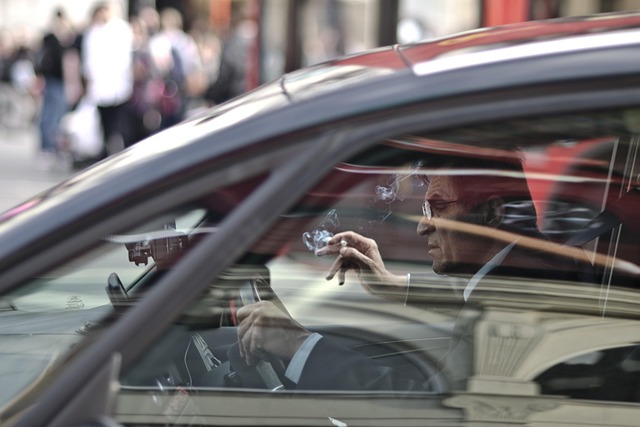
Car photography workshops offer enthusiasts a structured path to master the art of capturing stunning vehicle images. A fundamental aspect often explored in these sessions is understanding the basics of car photography equipment and setup. This involves selecting the right tools and arranging them optimally to create captivating visuals, whether it’s a vintage car snapshot art or contemporary auto style portraits.
Choosing the correct gear is crucial for achieving desired results. For beginners, investing in a good quality camera body capable of high ISO performance and fast autofocus is essential. Lenses play a significant role too; a versatile prime lens with an aperture of f/1.8 or wider allows for creative bokeh effects to highlight vehicle details. Additionally, a sturdy tripod ensures stable shots during low-light conditions when capturing intricate vehicle details photography. Flash units can also be employed to fill in shadows and add dramatic flair to snapshots.
Setup is another critical component. For outdoor car photography, natural light offers endless possibilities. Positioning the subject against a diverse backdrop—from lush greenery to urban textures—can enhance the overall aesthetic. Experimenting with different angles and perspectives allows for unique vehicle portraits. In studio settings, utilizing reflectors and diffusers can mimic natural light while offering more control over shadows, making it ideal for showcasing vintage car snapshot art or highlighting intricate auto styling details.
Mastering Lighting & Composition: Enhance Your Shots

Mastering Lighting & Composition is a critical aspect of car photography workshops, enabling photographers to elevate their shots from mere images to captivating works of art. In the realm of car photography, natural light plays a pivotal role in defining the mood and aesthetic of your photographs. Whether capturing the sleek lines of a sportscar in action or providing visual proof for automobile insurance claims, understanding how light interacts with your subject is essential. For instance, late afternoon light, often referred to as “golden hour,” can add a warm, dramatic quality to your car shots, highlighting textures and creating striking contrasts. Conversely, overcast days offer soft, even lighting that’s ideal for showcasing intricate automotive details without harsh shadows.
Composition, meanwhile, involves arranging elements within the frame to tell a visually compelling story. Leading lines, such as roads winding through scenic locations or parallel parking lines, can guide the viewer’s eye towards the car, creating a sense of depth and perspective. Framing devices like arches, doorways, or even other vehicles can add context and interest to your shots, turning an ordinary car photograph into something extraordinary. For instance, capturing a vintage vehicle against the backdrop of a historic garage or positioning a modern supercar within an urban cityscape can convey a sense of place and narrative.
Practical insights from experienced photographers emphasize the importance of pre-planning. Researching potential car shoot locations that offer diverse lighting conditions and captivating backdrops can significantly enhance your results. Additionally, investing in quality equipment, such as reflectors or diffusers, allows for greater control over light during various times of day. Remember, each scenario presents unique challenges and opportunities; the key lies in understanding these dynamics and applying creative composition techniques to produce stunning car photography that stands out, whether for personal enjoyment or professional purposes like documenting sportscar action sequences for insurance claims.
Advanced Techniques: Select Car Photography Styles & Post-Processing
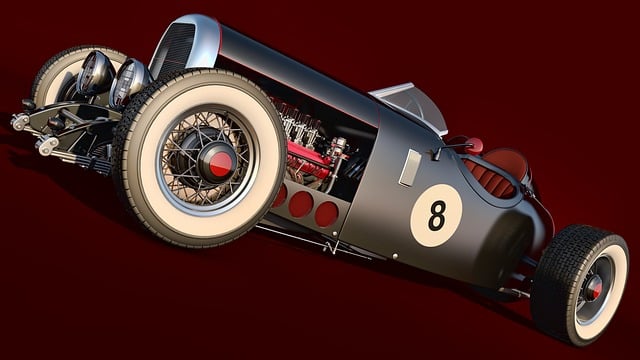
In the realm of car photography workshops, mastering advanced techniques is a game-changer for aspiring photographers aiming to elevate their craft. Among these, selecting specific car photography styles and adept post-processing are pivotal skills that transform ordinary snaps into captivating visuals. For instance, exotic car photography sessions demand a unique approach, focusing on showcasing the vehicle’s allure through artistic angles and intricate details. This style not only highlights the car’s design but also creates visually stunning images that capture the essence of automotive luxury.
Car advertising visuals present another critical aspect where precise selection of photography styles can make or break a campaign. Advertisers seek images that effectively communicate brand values and features. Whether highlighting performance, comfort, or innovation, photographers must understand how to capture these elements through careful composition and lighting techniques. A perfect example is the wedding car picture-perfect trend, where romantic and elegant imagery is sought to complement special occasions. Achieving this requires a keen eye for aesthetics and an understanding of how post-processing can enhance emotions without losing authenticity.
When delving into post-processing, photographers should consider their desired outcome. For automotive advertising, quick edits might focus on color correction and minor enhancements to ensure the car’s features are accurately represented. In contrast, fine art or abstract car photography may involve more dramatic adjustments, such as high dynamic range (HDR) techniques, to create surreal and captivating compositions. Data suggests that professional post-processing can significantly enhance the impact of car photography, increasing engagement on social media platforms by up to 30% when done effectively.
To excel in this domain, workshops often guide participants through practical exercises. These include learning various editing software tools and understanding color theory for consistent results across different styles. Additionally, photographers are encouraged to experiment with different perspectives and lighting setups, fostering creativity. Ultimately, mastering these advanced techniques empowers photographers to deliver exceptional car photography sessions, be it for advertising campaigns, artistic expressions, or capturing memorable moments like weddings, ensuring their work stands out in a competitive market.
By mastering the fundamentals of car photography equipment, lighting, and composition, enthusiasts can significantly enhance their image quality. The article’s key insights empower readers to Select Car Photography styles that align with their vision and effectively employ post-processing techniques for polished results. Understanding basic principles and advanced applications equips individuals to capture compelling automotive imagery, elevating their creative output to new heights.