
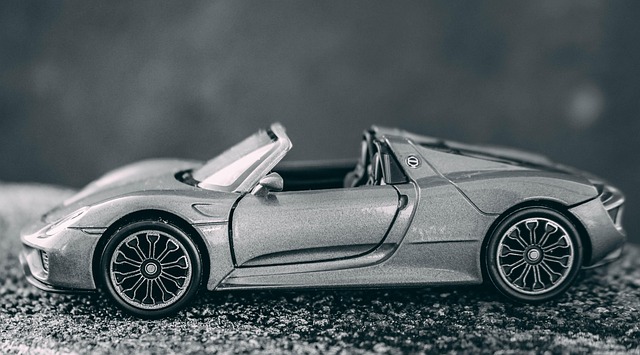
Car photography workshops teach enthusiasts to Select Car Photography techniques for professional results. Key skills include:
Using versatile lenses and tripods for stable, high-quality images.
Mastering natural light and composition for striking visuals.
* Post-processing with software like Adobe Lightroom for enhanced depth and effect.
Learn angles, detail work, and creative editing to capture vintage or modern cars' unique allure.
In today’s visual age, captivating car photography has emerged as a powerful tool for automotive enthusiasts, marketers, and artists alike. Select Car Photography workshops have become gateways to unlocking creativity and mastering the art of capturing vehicles in their best light. With the ever-evolving automotive landscape, the demand for skilled photographers who can showcase cars’ aesthetics and performance is higher than ever. However, navigating the complex world of car photography techniques and equipment can be daunting. This article provides an authoritative guide to these workshops, offering insights into how they empower participants to become masters of Select Car Photography.
- Understanding Car Photography Fundamentals: The Essential Setup
- Mastering Lighting and Composition for Stunning Shots
- Post-Processing Techniques: Enhancing Your Car Photos Naturally
Understanding Car Photography Fundamentals: The Essential Setup
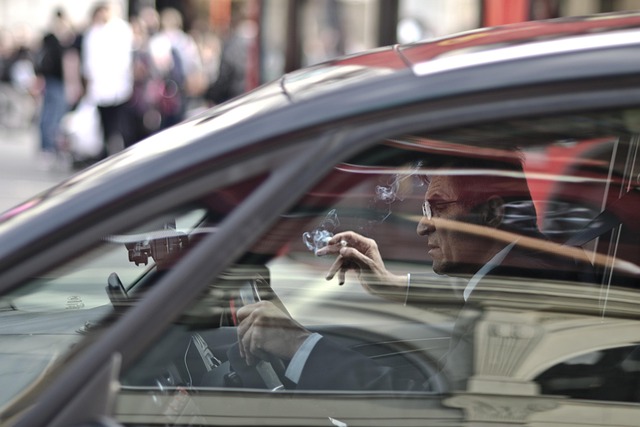
Car photography workshops are an excellent way for enthusiasts to delve into the art of capturing stunning images of automobiles. A crucial aspect often covered in these sessions is understanding the fundamental setup required for effective car photography, especially when aiming for professional-grade results in modern car picture taking. This involves more than just pointing your camera and pressing the shutter button; it’s an art that requires a keen eye for detail and a solid grasp of technical principles.
The first step in any successful car photography endeavor is selecting the right equipment. For road trip car photography, a versatile lens capable of capturing both wide-angle and telephoto shots is essential. A 24-70mm f/2.8 lens, for instance, can handle various scenarios, from showcasing the entirety of a sleek sports car to focusing on intricate details like a vehicle’s grille or headlights. Additionally, a tripod can significantly enhance stability, crucial when using slower shutter speeds to achieve a blurred background effect that highlights the subject—a popular technique in automotive visual marketing.
Lighting plays a pivotal role in car photography, with natural light often being the preferred choice for its versatility and aesthetic appeal. Early morning or late afternoon light, known as the “golden hours,” produces a warm, soft glow that enhances the car’s contours and creates dramatic shadows. However, when shooting during the harsh midday sun, consider using reflectors to bounce light onto the vehicle’s shadowed areas, creating a more balanced illumination for a detailed modern car picture. These lighting techniques, combined with a solid understanding of your camera’s settings, will enable you to capture eye-catching automotive visuals that stand out in any collection.
Mastering Lighting and Composition for Stunning Shots
Mastering Lighting and Composition for Stunning Car Shots is a critical skill every aspirant photographer needs to hone if they want their car photography to stand out from the crowd. It’s not enough to simply point and shoot; you must understand how light interacts with your subject, and how composition can elevate your images from ordinary to extraordinary.
Consider the environment where your car shoot locations are chosen. Natural light is a photographer’s best friend. Early morning or late afternoon “golden hour” light produces a warm, soft glow that beautifully enhances vehicle details. Experiment with different angles of the sun—side lighting can create dramatic shadows while backlighting can make your car appear almost ethereal against a vibrant sky. Don’t be afraid to get creative; try shooting at dusk or dawn when the light is low and mystical, or even experiment with reflectors to bounce light onto your car’s surface for a more even exposure.
Composition is another key element that separates a good car photo from a great one. The rule of thirds is a classic starting point: imagine your frame divided into nine equal parts by two horizontal and two vertical lines, positioning your subject along these lines or at their intersections to create a balanced shot. For vehicle detail photography, focus on intricate details like grill patterns, wheel designs, or chrome trim using a shallow depth of field to blur the background and draw attention to these specific features. High-resolution car images are crucial for showcasing minute details, so be sure your camera settings are optimized for maximum resolution.
Don’t overlook the power of a strong leading line in your composition—a winding road, a reflective surface, or even a shadow can guide the viewer’s eye directly to your subject. Think about perspective too; shooting from below raises the car, making it appear more powerful, while a bird’s-eye view can showcase its overall design and scale. Experiment with different viewpoints and don’t be afraid to get creative until you find what makes each vehicle unique truly shine through in your photographs.
Post-Processing Techniques: Enhancing Your Car Photos Naturally
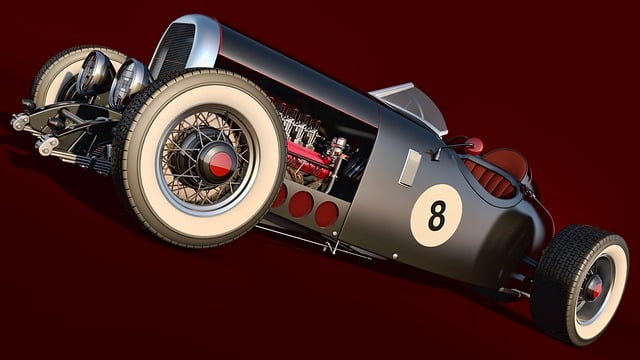
Car photography workshops offer enthusiasts a chance to elevate their craft beyond the camera settings. Post-processing techniques are an essential component of this journey, allowing photographers to naturally enhance their car images and create visually stunning automobile beauty shots. This process involves more than just color adjustments; it’s about capturing the essence of the vehicle and telling its unique story.
In the realm of car advertising visuals, where aesthetics play a pivotal role, selecting the right post-processing methods can make all the difference. For instance, a vintage car snapshot art enthusiast might choose to emphasize the rich texture of an old classic’s body panels by applying subtle film grain and warming filters, evoking a sense of nostalgia. Similarly, for modern sports cars, a photographer could use techniques like high dynamic range (HDR) merging to capture both the intense highlights and deep shadows, showcasing the vehicle’s aggressive lines and aerodynamic design.
Many professional photographers swear by software tools like Adobe Lightroom and Photoshop, which offer a wide array of natural-looking enhancements. These include adjusting exposure, contrast, and saturation for optimal visual appeal. For car photography enthusiasts, understanding how to use these tools effectively enables them to transform ordinary snaps into extraordinary automobile beauty shots. Additionally, exploring creative blending modes and layer masks can add depth and dimension, making your car advertising visuals stand out in a crowded digital landscape.
Remember, the key is to strike a balance between realism and artistic flair. Overexaggerated edits may detract from the car’s true beauty, so it’s crucial to study the vehicle’s unique characteristics and enhance them naturally. With practice and experimentation, you’ll develop an eye for what makes each car photographically appealing, whether it’s a sleek modern machine or a charming vintage find.
By mastering the fundamentals of car photography, from camera setup to lighting and composition, you can significantly enhance your automotive imagery. The article has provided essential insights into these key areas, enabling photographers to capture compelling car shots naturally. Understanding the interplay of light and shadow, and applying effective composition techniques, are cornerstones for achieving visually striking results. Additionally, mastering post-processing allows for fine-tuning images, preserving authenticity and natural beauty. These comprehensive strategies empower photographers to tell stories through their lens, delivering images that truly capture the essence of cars in a authentic and captivating manner.