

Vintage car restorations require meticulous skill, historical knowledge, and a passion for preserving past eras. The process begins with selecting candidates, thoroughly inspecting mechanics, and choosing period-appropriate materials. Key steps include disassembly, structural repairs, aesthetic enhancements, and modern safety updates. Select Car Photography captures transformations, attracting enthusiasts. Choosing parts with documentation maintains originality while enhancing reliability. Restoring history for modern audiences demands precise photography techniques and compliance with local laws. Protecting investments through specialized insurance safeguards sentimental value.
Vintage car restorations have become a passionate pursuit for automotive enthusiasts worldwide, preserving historical vehicles and their unique stories. However, the meticulous process involves addressing various challenges, from locating rare parts to accurately recreating original aesthetics. This article delves into the art and science of vintage car restoration, offering an authoritative guide for both seasoned restorers and curious aficionados. We explore the intricate steps, highlight the importance of authentic details, and demonstrate how select car photography can capture the essence of these timeless machines, ensuring their legacy endures for generations to come.
- Understanding Vintage Car Restorations: The Basics
- Choosing the Right Classic: A Buyer's Guide
- Demystifying the Process: Step-by-Step Restoration
- Selecting Quality Parts: Ensuring Authenticity
- The Art of Restoration Photography: Capturing History
- Legalities and Insurance: Protecting Your Investment
Understanding Vintage Car Restorations: The Basics
Vintage car restorations are an art form that involves meticulous attention to detail, a deep understanding of automotive history, and a passion for preserving bygone eras. To embark on this journey, enthusiasts must first grasp the fundamentals—a solid foundation that enables them to breathe new life into classic vehicles while honouring their original essence. The process begins with careful selection: identifying cars with potential, often overlooked gems hidden within classic car auctions or private collections. Imagine a luxury car gallery display transformed through restoration, where each vehicle tells a story of elegance and engineering prowess, captured beautifully in high-resolution car images.
One of the key considerations is selecting the right candidate—a car that not only catches the eye but also possesses sound mechanicals. This initial screening process is crucial as it sets the tone for the entire restoration journey. Once chosen, a thorough inspection follows, involving both visual assessments and diagnostic tests to uncover any underlying issues or necessary repairs. For instance, a vintage vehicle might require replacing worn-out parts, refurbishing the chassis, or even reconstructing sections that are beyond salvage. Each step demands precision and an extensive knowledge of period-appropriate materials and techniques.
Automotive visual marketing plays a significant role in showcasing the transformation process and attracting enthusiasts and collectors alike. High-quality photography becomes a powerful tool to document each stage, from before-and-after comparisons to detailed close-ups of intricate restorations. These images not only serve as mementos but also help build a compelling narrative around the car’s history and rehabilitation, fostering a deeper connection with those who appreciate vintage vehicles. Through expert hands, a seemingly faded classic can emerge as a gleaming testament to automotive craftsmanship, ready to grace display platforms or even become a daily driver for those who embrace the allure of bygone eras.
Choosing the Right Classic: A Buyer's Guide
Choosing the right classic car for restoration is a meticulous process that requires careful consideration of various factors. It’s akin to selecting a precious work of art—each vehicle has its unique story and character, demanding a nuanced approach from the buyer. The initial step involves defining your passion and purpose; are you seeking a driving pleasure, a showpiece, or an investment? This decision will narrow down the vast array of options available in the vintage car market. For instance, those drawn to the track might prefer a robust sports car from the 1960s, while enthusiasts focusing on style could opt for a gracefully designed sedan from the golden era of American automotive design.
Once you’ve identified your criteria, it’s imperative to research and inspect potential candidates meticulously. The condition of the vehicle, both structural and cosmetic, plays a pivotal role in determining the restoration scope and costs. Many experts advocate for selecting cars that offer a balance between originality and restorable elements, ensuring a more affordable and authentic restoration journey. For instance, a car with some original paint but minimal rust could be an ideal candidate, allowing for careful conservation of its timeless aesthetics. Professional car photography packages can serve as invaluable tools during this phase, capturing detailed images to assess the vehicle’s condition and subsequent transformation.
When evaluating specific makes and models, consider their availability of parts, maintenance history, and community support. Certain car brands have dedicated restoration communities and readily available parts, which can significantly ease the restoration process. For example, Ford Mustangs and Chevrolet Camaros are popular choices due to extensive documentation, a vast aftermarket, and a thriving community of enthusiasts who share knowledge and resources. Moreover, professional photography sessions dedicated to automobile beauty shots can showcase the car’s allure, highlighting its unique features and post-restoration potential for brand promotion images.
Restoration is not merely about reversing time; it’s an art that involves making informed choices to preserve or enhance a vehicle’s historical integrity while incorporating modern safety and comfort considerations. By carefully selecting your classic car and planning the restoration process, you’re taking the first step towards owning a piece of automotive history that can be both enjoyed and admired for generations to come.
Demystifying the Process: Step-by-Step Restoration
Vintage car restorations are an art form that requires meticulous attention to detail, a deep understanding of automotive history, and a passion for preserving the past. Demystifying the process involves breaking it down into manageable steps that honor both the car’s original state and modern restoration techniques. Imagine selecting a car that captures your imagination—a timeless beauty from a bygone era. This is where auto photography services come into play, documenting not just the exterior, but also the intricate details of the automotive interior design.
The journey begins with a thorough inspection to identify areas requiring restoration. This involves assessing the body for dents, rust, or damage and deciding whether to repair or replace parts. For instance, a 1960s classic might need a new floorpan due to widespread rust, while a 1950s beauty could benefit from a repaint to restore its original gloss. Once the scope is defined, disassembly begins. Every component, from the engine to the dashboard, is carefully taken apart, allowing for detailed examination and necessary repairs. Here, it’s crucial to have access to authentic replacement parts or recreate them through reverse engineering, ensuring accuracy in both function and aesthetics.
Restoration itself is a delicate dance between old and new. Original parts are meticulously restored, while others might be rebuilt or replaced with modern equivalents to enhance performance and safety. The automotive interior design receives special attention—from reupholstering seats with period-appropriate fabrics to installing contemporary yet vintage-inspired infotainment systems. Imagine transforming a dusty dashboard into a stunning display that blends old-world charm with modern convenience. Car portraiture studio services can capture these transformations, showcasing the car’s progression before and after restoration through compelling photography. After reassembling, the final touches are applied, including fine tuning, polishing, and applying protective coatings to ensure longevity. The end result is a vintage car that not only looks but also drives like new, ready to grace modern roads with its timeless elegance.
Selecting Quality Parts: Ensuring Authenticity
Selecting quality parts is a crucial step in vintage car restorations, ensuring both authenticity and long-term reliability of the vehicle. Original equipment manufacturer (OEM) parts are ideal, but often hard to come by. In such cases, reproduction or replica parts must be carefully evaluated for accuracy. It’s essential to consult with restoration specialists who have extensive knowledge of various makes and models, enabling them to distinguish between genuine and high-quality replicas. For instance, at major automobile events and shows, like the Goodwood Festival of Speed, dedicated restorers and enthusiasts exchange insights on where to source authentic parts, fostering a network that supports accurate restorations.
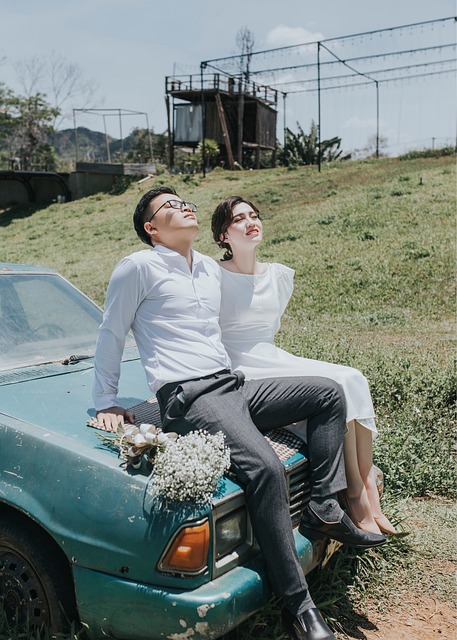
Documentation plays a vital role in this process. Detailed records, including historical photographs, assembly manuals, and specifications, guide restorers in their quest for originality. These resources help in selecting components that match not just the year and model but also specific production runs, ensuring a picture-perfect restoration akin to a wedding car meticulously prepared for its special day. For example, a 1967 Ford Mustang Restoration might require specific engine parts from the original 1967 production run, as documented in period literature and preserved by collectors.
Car photography is another essential tool. High-resolution motorcar imagery capture allows restorers to scrutinize potential parts closely before acquisition. Professional photography can reveal subtle differences between genuine and reproduction items, ensuring only the best are selected. This meticulous approach guarantees that the restored vehicle not only looks authentic but also performs as it should, enhancing its value and longevity. Restorers should aim for a balance between preserving historical accuracy and incorporating modern technologies that enhance safety and reliability without compromising aesthetics.
The Art of Restoration Photography: Capturing History
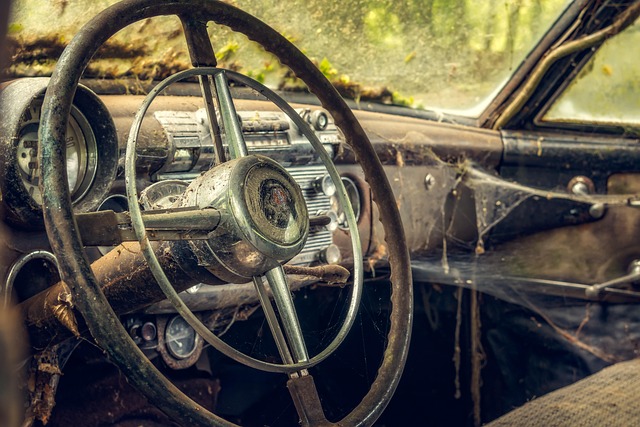
Vintage car restorations are a delicate dance between preserving history and presenting it for modern audiences. Central to this process is the art of restoration photography, which demands a unique blend of technical skill and artistic vision. Capturing the essence of these timeless machines involves more than just point-and-shoot; it’s about telling the story of each vehicle’s journey through time.
Select car photography plays a pivotal role in showcasing restored classics to their best advantage. Professional photographers employ specialized techniques to highlight the intricate details that define vintage cars, from polished chrome and curved dashboards to hand-tailored leather interiors. Choosing the right locations is essential; secluded, well-lit areas with minimal distractions allow for crisp, high-quality images. Think empty workshops with natural light streaming through windows or isolated outdoor spaces that evoke a bygone era. These settings not only capture the car’s aesthetic appeal but also its historical context.
Modern car picture taking has evolved significantly, and the same techniques can be applied to vintage vehicles. High-resolution cameras and advanced editing software enable photographers to preserve every nuance of a restored classic, ensuring each image tells a compelling story. Auto sales image optimization is crucial in the digital age; professional restoration photography not only satisfies collectors and enthusiasts but also aids in reaching broader audiences through online platforms. For instance, a well-curated collection of vintage car photos on e-commerce sites can increase visibility and interest, potentially leading to more sales and wider appreciation for these historical treasures.
Restoration photographers often spend countless hours preparing for the perfect shot, understanding that each vintage car has its own unique character. By combining artistic vision with technical expertise, they create a visual tapestry that does justice to the past while inspiring admiration from present-day viewers. The result is a powerful medium that bridges generations, allowing folks to appreciate not just the cars themselves but also the craftsmanship and dedication involved in bringing them back to life.
Legalities and Insurance: Protecting Your Investment
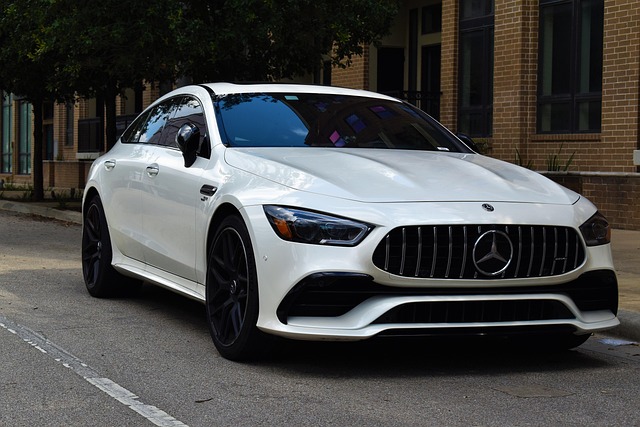
Vintage car restorations are a labor of love, but they’re not without legal and insurance considerations. Protecting your investment is crucial to enjoying your restored vehicle for years to come. Before you begin the process, familiarize yourself with local laws regarding vintage cars, including registration, titling, and safety inspection requirements. Many regions have specific regulations for vehicles over a certain age, so ensure your car meets all standards. One practical step is to consult a professional restorer who can guide you through these complexities, ensuring your project complies with legal mandates.
Insurance is another critical aspect often overlooked during restoration projects. Classic cars are valuable not just for their historical significance but also due to the meticulous craftsmanship and rare parts involved in their revival. Ensure your insurance policy covers vintage vehicles specifically, as standard policies may exclude them or offer inadequate coverage. Consider working with an insurer that specializes in classic cars, allowing you to tailor coverage to your investment’s unique needs. This includes insuring against damage during restoration, as well as covering the car once completed.
Selecting a reliable insurance provider is essential for peace of mind. Research companies specializing in auto sales image optimization, understanding their policies for vintage vehicles and the claims process specifically. Some insurers offer tracking devices or app-based monitoring to help maintain security. Additionally, consider the value beyond the physical shell—vintage cars often hold sentimental family car memories. Insurance that recognizes this emotional investment can provide a broader safety net. By proactively addressing legalities and insurance, restorers can protect their hard work and enjoy their restored classics without unforeseen hurdles.
Vintage car restorations encompass a multifaceted process that demands knowledge, skill, and attention to detail. By understanding the fundamentals, as outlined in this article, restorers can effectively navigate the journey from worn-out classic to meticulously restored masterpiece. Choosing the right vehicle, whether through careful selection or expert guidance, is paramount. Demystifying the restoration process step by step ensures a thorough and authentic transformation. Sourcing quality parts that maintain historical accuracy is crucial, as are meticulous records and documentation. The art of Select Car Photography captures each stage of this journey, preserving history for future generations. Moreover, understanding legalities and insurance options safeguards your investment, ensuring a rewarding experience throughout the vintage car restoration process.