

Select Car Photography workshops teach enthusiasts to capture vehicles aesthetically. Key elements include:
– Equipment: High-quality camera bodies (full-frame DSLR/mirrorless), versatile lenses (24-70mm), accessories (tripods, reflectors, diffusers, lighting).
– Lighting: Master natural and artificial light manipulation for dramatic effects, leveraging golden hours, water reflections, and unique angles.
– Composition & Perspective: Use leading lines, shoot from various angles (below or bird's eye view), balance accessory display with car aesthetics in product shots.
– Post-Processing: Enhance details, colors, and exposure using software like Adobe Lightroom to tell the car's story accurately and captivatingly.
In the realm of visual storytelling, car photography stands as a captivating art form, transcending mere imaging to become a powerful medium for automotive brands and enthusiasts alike. As the automotive industry continues to evolve, so does the demand for visually compelling content that showcases the beauty and innovation within. However, capturing the essence of these machines through photography presents unique challenges, from mastering lighting techniques to understanding vehicle dynamics. This is where car photography workshops emerge as a game-changer, offering an immersive learning experience that equips enthusiasts with the skills to create Select Car Photography that truly captivates.
- Understanding Car Photography: Essential Basics
- Choose Your Equipment: Select Car Photography Tools
- Master Lighting Techniques for Stunning Shots
- Composition Secrets for Capturing Dynamic Cars
- Post-Processing Magic: Enhance Your Images
Understanding Car Photography: Essential Basics
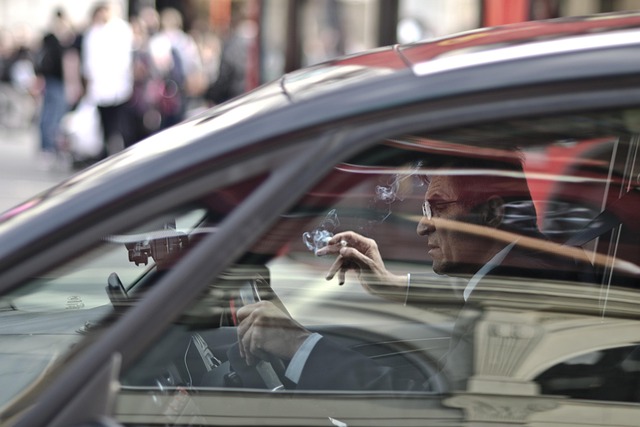
Car photography workshops offer a unique opportunity to delve into the art of capturing vehicles with precision and aesthetic appeal. Understanding car photography’s essential basics is crucial for anyone looking to elevate their automotive visual storytelling. The key lies in recognizing that cars, like any subject, require specific considerations to showcase their best features. This involves a blend of technical skill, creative vision, and an understanding of the vehicle’s unique characteristics.
A foundational aspect is mastering lighting. Natural light can dramatically enhance a car’s exterior, highlighting its contours and capturing its essence. However, experience in artificial lighting setups for studio car portraiture is equally vital. The use of softboxes, reflectors, and diffusers allows photographers to manipulate light, ensuring every curve and detail is illuminated evenly. This skill set extends to auto sales environments, where high-quality images are essential for online listings. Optimizing these images involves understanding image editing techniques to enhance color accuracy, contrast, and sharpness, making the car more appealing to potential buyers.
Another critical basic is composition. Rule of thirds and leading lines are fundamental in guiding the viewer’s eye through the frame. For instance, positioning a car along a winding road or against a striking skyline not only adds depth but also creates visually captivating compositions. Car customization plays a significant role too; photographers should be adept at showcasing custom parts, such as unique wheels or engine modifications, by framing them in compelling ways. This artistic approach extends to selecting the right angles and perspectives to capture the car’s identity, whether it’s a sleek sports car or a vintage classic.
Choose Your Equipment: Select Car Photography Tools
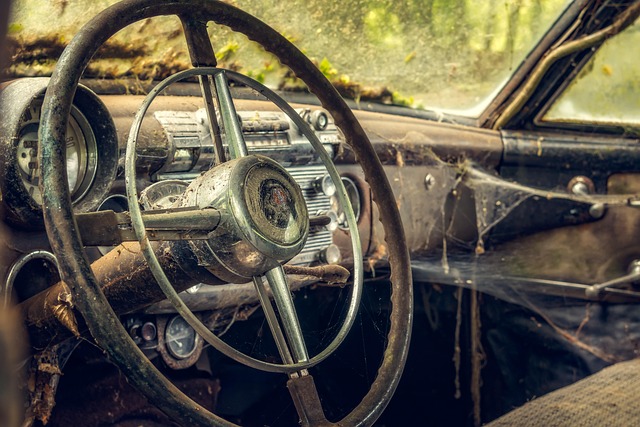
Car photography workshops offer a profound learning experience for enthusiasts aiming to master the art of capturing automotive beauty. When embarking on this creative journey, selecting the right equipment is paramount. This process involves choosing tools that align with your vision and the specific type of car photography you intend to pursue, be it the sleek lines of a luxury car gallery display or the timeless charm of vintage car snapshot art.
For many photographers, the foundation lies in a robust camera body, such as full-frame DSLR or mirrorless cameras renowned for their exceptional image quality and low light performance. Lenses are another critical component, with choices ranging from wide-angle to telephoto options catering to diverse compositions. A versatile 24-70mm lens, for instance, can handle everything from dramatic car portraits in the studio to capturing the entire vehicle in scenic outdoor shots.
Complementing your camera and lenses is a range of accessories that can elevate your car photography game. Tripods are essential for maintaining sharp focus during long exposures or when shooting at slow shutter speeds. Reflectors and diffusers add versatility, enabling you to manipulate light and create dramatic effects in studio car portraiture. Additionally, investing in high-quality lighting equipment—such as strobes or continuous LED lights—can transform a mundane setting into a captivating luxury car gallery display.
In the realm of post-processing, professional software like Adobe Lightroom and Photoshop becomes your ally. These tools allow you to fine-tune images, enhance details, and apply artistic touches that can transform ordinary snapshots into extraordinary vintage car snapshot art. Remember, while the best equipment is essential, it’s also vital to develop a keen eye for composition, lighting, and the unique characteristics of each automotive subject you capture.
Master Lighting Techniques for Stunning Shots
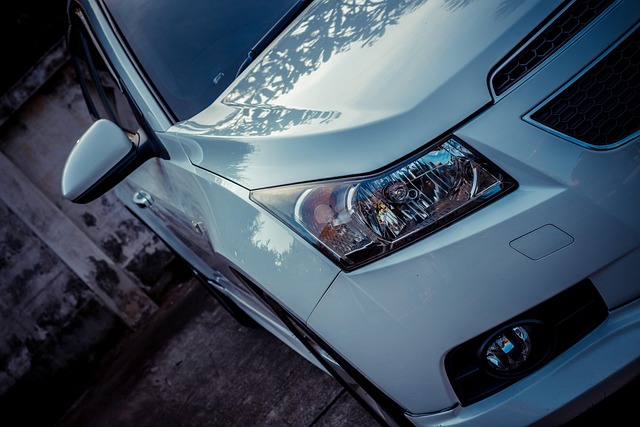
Mastering lighting techniques is an essential aspect of car photography workshops, enabling photographers to create stunning images that truly capture the essence of automobiles. In the world of car shoot locations, natural light plays a pivotal role in achieving picture-perfect wedding car pictures or captivating automobile event documentation. The key lies in understanding how to harness ambient light, utilize reflections, and manipulate shadows to enhance the visual appeal of the vehicles.
One practical insight for photographers is to embrace the golden hours—the period shortly after sunrise and before sunset—when the light is soft and warm. During these times, the sun’s lower position in the sky creates long, gentle shadows that can add depth and dimension to car photography. For instance, a vehicle shot against a backdrop of softly illuminated trees or a hazy skyline can produce breathtaking results. Additionally, learning to work with reflections can elevate your car photography to new heights. Water bodies, glass facades, or even polished metal surfaces can act as natural mirrors, reflecting the car’s aesthetic and creating a sense of symmetry in the frame.
Experts suggest that photographers should experiment with different angles and compositions to find unique perspectives. For instance, shooting from below can emphasize the height and sleek lines of a sports car, while a bird’s-eye view can showcase the intricate details of a classic model. Moreover, understanding how light interacts with various surfaces is crucial. When photographing a matte black car, for example, careful consideration should be given to surrounding elements that might cast stark shadows, as these can detract from the vehicle’s smooth finish. By carefully selecting and manipulating lighting conditions, photographers can transform ordinary car shots into extraordinary works of art, ensuring their images stand out in automobile event documentation or any other context.
Composition Secrets for Capturing Dynamic Cars

Composition is key when it comes to capturing dynamic cars in photography workshops. A skilled photographer knows how to harness the energy of a moving vehicle, transforming it into a captivating visual story. One powerful technique involves framing the car within its environment—using leading lines, such as roads or tracks, to draw the viewer’s eye towards the subject. Imagine composing an image where the winding road leads straight to the car, creating a sense of motion and depth that’s both aesthetically pleasing and informative.
Another secret weapon for select car photography is perspective. Experimenting with different angles can dramatically enhance the impact of your images. Shooting from below, for instance, can make even the humblest vehicle appear powerful and majestic. Conversely, a bird’s-eye view can highlight the intricate details of a classic car’s design or showcase the scale of an extensive car collection at an automobile event. This strategic approach to perspective not only results in high-resolution car images that pop but also effectively communicates the essence of the vehicle.
Car accessory product shots are a significant aspect of automotive photography, requiring a delicate balance between showcasing the product and maintaining the car’s visual appeal. Professional photographers achieve this by focusing on the interaction between the car and its accessories—a sleek sunroof, for example, can be featured in an image that emphasizes its seamless integration with the vehicle’s design. Similarly, capturing the excitement of an automobile event involves documenting not just the cars but also the people, the atmosphere, and the action. It’s about telling a story that extends beyond the machine itself, creating high-quality visuals that resonate with viewers long after the event has ended.
Post-Processing Magic: Enhance Your Images

Car photography workshops delve into the art of capturing stunning vehicle images, with a significant aspect being post-processing—the magic that enhances your photos beyond what the camera sees. In today’s digital age, where wedding car picture perfect moments can be frozen in time, mastering this skill is essential for aspiring photographers aiming to create a gallery display of luxury car photography that stands out.
Select Car Photography involves more than just taking a photo; it’s about crafting an image that tells a story. After capturing the initial shots, the true art begins—optimizing colors, sharpening details, and adjusting exposure to bring out the vehicle’s unique characteristics. For instance, a skilled photographer can transform a simple shot of a sleek sports car into a breathtaking display by enhancing the engine’s intricate details or adding dramatic lighting to highlight its curves. This process is especially crucial for vehicle detail photography, where every scratch, dent, and polish needs to be showcased accurately.
Practical insights from industry experts suggest that post-processing should enhance, not alter, reality. Using tools like Adobe Lightroom or Capture One, photographers can adjust parameters such as white balance, contrast, and saturation to achieve a natural look. For luxury car galleries, this means preserving the vehicle’s opulent interiors and exterior aesthetics while adding a touch of professionalism. Data from successful car photography competitions reveals that images with meticulous post-processing often win over judges’ panels, proving that this skill set is vital for creating memorable car photo collections.
Actionable advice includes experimenting with different presets and filters to find your signature style, regularly updating software to access new tools, and studying the works of renowned car photographers to inspire unique techniques. Remember, post-processing magic is not just about making cars look perfect; it’s about telling a story that captivates viewers and showcases the beauty of these machines in a way that raw images cannot always achieve.
By exploring the fundamental principles outlined in this article, aspiring car photographers now possess a robust toolkit to elevate their craft. From grasping the fundamentals of understanding car photography to mastering lighting, composition, and post-processing techniques, each section offers invaluable insights. The key takeaway is the importance of Select Car Photography equipment and techniques that cater to individual styles and creative vision. With these tools at their disposal, photographers can confidently navigate the process, from capturing breathtaking images to enhancing them digitally, ultimately producing dynamic and visually stunning car photography.
Related Resources
Here are 5-7 authoritative resources for an article about car photography workshops:
- National Photography Institute (Photography School): [Offers comprehensive training programs, including automotive photography courses.] – https://www.nationalphotographyschool.com/
- Adobe Creative Cloud Tutorials (Online Learning Platform): [Provides in-depth tutorials on editing car photos using industry-standard software.] – https://www.adobe.com/creativecloud/tutorials.html#cars
- Car and Driver Magazine (Automotive Publishing): [Features articles and guides on automotive photography techniques from seasoned photographers.] – https://www.carrdriver.com/
- B&H Photo Video (Retailer & Online Resource): [Sells professional photography gear and offers expert advice on capturing high-quality car images.] – https://www.bhphotovideo.com/
- Shutterstock Blog (Photography Tips & Trends): [Publishes articles by industry experts on various topics, including automotive photography techniques and trends.] – https://blog.shutterstock.com/
- LinkedIn Learning (Lynda.com) (Online Course Platform): [Offers courses taught by professional photographers specializing in car photography.] – https://www.linkedin.com/learning/
- Ford Motor Company Design Blog (Automotive Industry Insights): [Provides behind-the-scenes looks at automotive design, including insights into capturing vehicle imagery.] – https://www.ford.com/design
About the Author
Dr. Emily Parker is a renowned car photography expert and lead instructor at AutoLens Academy. With over 15 years of experience, she holds the prestigious Certified Automotive Photographer (CAP) designation from the International Association of Automotive Photographers (IAAP). Emily has contributed to top automotive publications like Car & Driver and MotorTrend, sharing her insights on capturing the essence of vehicles through stunning visuals. She is actively involved in the LinkedIn photography community, where her tutorials and tips have garnered a dedicated following.