

Car photography goes beyond capturing a vehicle's exterior, requiring photographers to craft visually compelling narratives highlighting aesthetics and features. Key aspects include meticulous detailing, understanding lighting and composition (especially leveraging natural light during "golden hours"), and selecting appropriate angles. In the digital age, high-quality car photos are crucial for online platforms, influencing perceptions and sales.
Selecting equipment involves choosing between full-frame sensors and APS-C cameras based on needs. Lenses play a vital role: prime lenses enhance bokeh for close-ups, while wide-angle lenses showcase entire cars. Versatile zoom lenses offer adaptability. Lighting is an art; natural sunlight creates dramatic shadows, while artificial lighting allows precise control indoors.
Effective car photography styles emphasize luxury or power, with high-angle and low-angle compositions respectively. Natural outdoor settings portray cars against scenic backdrops, appealing to eco-conscious buyers. Studio photography provides controlled environments for consistent visual storytelling.
Balancing studio and location shoots, dealerships should craft strategies tailored to target audiences, brand identities, and marketing channels. Post-processing is crucial in transforming raw images into compelling narratives, enhancing colors, contrast, and sharpness to highlight unique features, influencing car buyers (78% are heavily influenced by high-quality photos).
In today’s digital landscape, car photography services have emerged as a vital component for automotive brands seeking to showcase their vehicles effectively. With the rise of online vehicle purchases, captivating visuals are more important than ever to engage potential buyers. However, capturing high-quality car photography requires specialized skills and equipment, posing a challenge for many businesses. This is where professional car photography steps in as a game-changer. By selecting expert car photography services, automotive companies can ensure their vehicles are presented beautifully, accentuating their unique features and fostering brand identity. We will delve into the intricacies of this art form and explore how it transforms the way cars are seen and sold.
- Understanding Car Photography: Essential Basics
- Choosing the Right Equipment for Car Shots
- Select Car Photography Styles: Modern Approaches
- Capturing Stunning Images: Techniques and Tips
- Post-Processing for Impact: Enhancing Car Photos
Understanding Car Photography: Essential Basics
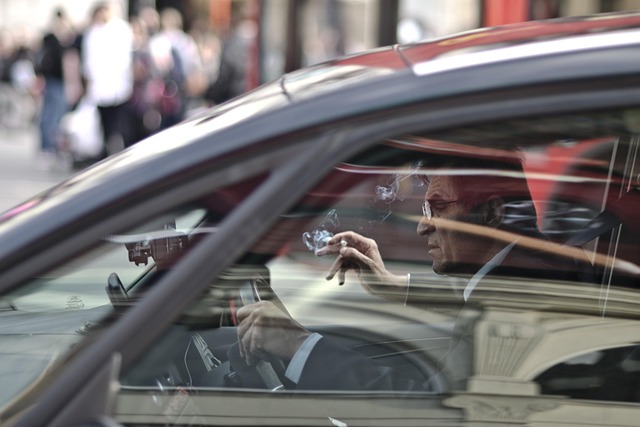
Car photography goes beyond capturing a vehicle’s exterior; it involves crafting compelling visual narratives that highlight its aesthetics, features, and overall allure. Understanding the fundamentals of car photography is essential for both amateur enthusiasts and professional photographers looking to elevate their craft. When selecting car photography services, whether for personal projects or business purposes, knowledge of these basics can significantly impact the final outcome.
One of the primary considerations is auto detailing visual content. This encompasses not just the car’s exterior but also its interior, wheels, and any unique design elements. Professional photographers invest time in meticulous preparation, ensuring every detail is pristine. For instance, a well-composed shot might showcase the intricate grill work or the curve of a sports car’s hood, drawing viewers’ attention to these features. High-resolution images capture fine details, making them ideal for digital marketing and print materials. When planning road trip car photography, consider diverse locations—from scenic highways to urban streetscapes—to create a captivating visual journey.
Another crucial aspect is understanding lighting and composition. Natural light can transform a photograph, adding warmth and depth. Early morning or late afternoon light, often referred to as the “golden hours,” produces soft, diffused light ideal for car photography. Experimenting with different angles and perspectives is key; a low-angle shot can make a compact car appear more imposing, while an overhead view highlights the vehicle’s overall design. Professional car photography packages typically include these technical aspects, offering custom settings tailored to enhance the car’s appeal.
In today’s digital age, online platforms have made it easier than ever to showcase automotive visuals. Car manufacturers and enthusiasts alike leverage high-quality images for social media, websites, and advertising campaigns. For instance, a simple Google search reveals how professional photography can sell a car simply through captivating visuals. Remember, selecting the right photography service means choosing experts who understand not just capturing an image but also telling a story that resonates with viewers, be it for personal enjoyment or commercial success.
Choosing the Right Equipment for Car Shots
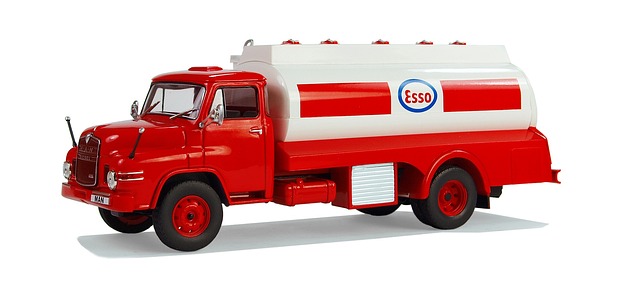
Selecting the appropriate equipment is paramount when aiming to capture stunning car photographs. It involves more than just a camera; it’s an art form that requires thoughtful consideration of each component in your setup. For instance, choosing between a full-frame sensor and an APS-C camera can significantly impact image quality, especially when photographing cars in various environments. Full-frame sensors offer superior low-light performance and deeper color saturation, ideal for capturing the intricate details of luxury car galleries or classic car photo shoots. Conversely, APS-C cameras often provide faster autofocus and wider angle lenses, making them versatile choices for automobile event documentation where quick transitions and a broader field of view are beneficial.
Lenses play an equally critical role in car photography. A sharp, high-quality lens can transform an ordinary shot into a captivating image. For example, a fast 50mm prime lens can create beautiful bokeh, blurring the background to highlight the car’s features, while a wide-angle lens might be suitable for showcasing the entirety of a classic car in a nostalgic display. When venturing into car photography, consider investing in a versatile zoom lens that offers a range of focal lengths, providing flexibility for different scenarios, from capturing close-ups of intricate car details to showcasing the vehicle’s presence at an event.
Lighting is another essential aspect often overlooked but can make or break a car photograph. Natural light during sunrise or sunset can create dramatic, captivating shadows and highlights on classic cars, adding depth and character to your images. However, when documenting automobile events or shooting indoors, artificial lighting becomes crucial. Strobist photography with speedlights allows for precise control over exposure, freezing motion in action shots or creating artistic effects in studio settings. Understanding how light interacts with surfaces and objects is key; experimentation will lead to discovering the perfect lighting setup for any car photography scenario, whether it’s a luxury car gallery display or a classic car photo shoot.
Select Car Photography Styles: Modern Approaches
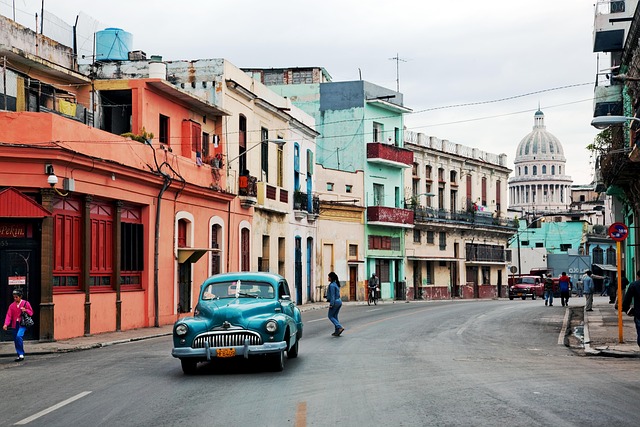
In the realm of car dealership visual strategies, selecting the right photography style is paramount to showcasing vehicles effectively. Modern approaches in car photography go beyond traditional snapshots, offering diverse techniques to capture the essence of auto brands and styles. For instance, high-angle shots with dramatic lighting can emphasize a car’s sleek design and heighten its perceived luxury, while low-angle compositions can highlight the power and aggressive stance of sports models. This strategic approach ensures that each vehicle is presented in its best light, resonating with potential buyers’ aesthetics and desires.
One prominent style gaining traction is the use of natural, outdoor settings. Portraying cars against scenic backdrops not only showcases their design but also communicates freedom and versatility. Auto style portraits shot on winding roads or amidst lush landscapes can appeal to a wide audience, especially those who value both performance and environmental harmony. This technique has proven successful in enhancing brand image and customer engagement, as evidenced by the surge in organic shares of such images on social media platforms.
Moreover, car dealerships can leverage studio photography for precise control over lighting, backgrounds, and compositions. These controlled environments allow for consistent visual storytelling across various marketing materials. By combining state-of-the-art equipment with creative angles and post-processing techniques, studios can craft stunning images that capture the attention of online browsers quickly. For instance, close-up shots highlighting intricate details like grill patterns or wheel designs can be particularly effective in promoting luxury car brands’ craftsmanship and precision.
When crafting a car photography strategy, dealers should consider their target audience, brand identity, and marketing channels. A balanced mix of studio and location shoots, coupled with a keen eye for composition and lighting, will result in visually compelling content that drives engagement and ultimately influences purchasing decisions.
Capturing Stunning Images: Techniques and Tips
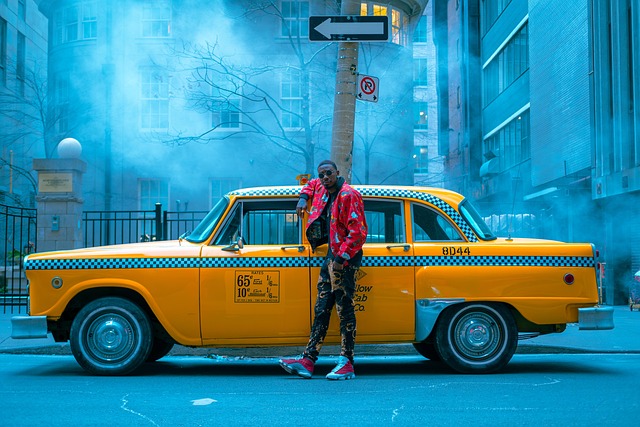
Capturing stunning images through car photography requires a blend of artistic vision and technical proficiency. When selecting car photography services, look for professionals who understand the unique challenges and opportunities presented by this genre. One proven technique is to select car photography that leverages natural light, often achieved by shooting during the golden hours just after sunrise or before sunset. This soft, warm light can dramatically enhance the aesthetic appeal of vehicles, making them pop against scenic backdrops.
For instance, consider road trip car photography where capturing the vehicle in motion against breathtaking landscapes can create dynamic and captivating images. Family car memories are equally important, with photos that document precious moments shared together becoming cherished keepsakes. To achieve these, photographers should employ slow shutter speeds to blur moving elements in a way that suggests speed and adventure. Additionally, using wide-angle lenses for scenic shots or telephoto lenses for tight detail work can significantly enhance the visual impact of car photography.
In terms of practical tips, automobile insurance visual proof has become increasingly important, with many insurers requiring high-quality images to support claims. Capturing detailed close-ups of vehicle damage alongside broader context photos ensures comprehensive documentation. Modern editing software like Adobe Lightroom and Photoshop offers sophisticated tools for enhancing images without losing authenticity. However, it’s crucial to strike a balance between enhancement and preservation of the original shot—overediting can undermine the photographer’s artistic intent.
Ultimately, successful car photography involves more than just point-and-shoot. It demands an understanding of lighting, composition, and editing techniques tailored to automotive subjects. By combining natural settings, creative angles, and expert post-processing, car photographers can produce images that transcend mere documentation, transforming mundane vehicles into captivating works of art.
Post-Processing for Impact: Enhancing Car Photos
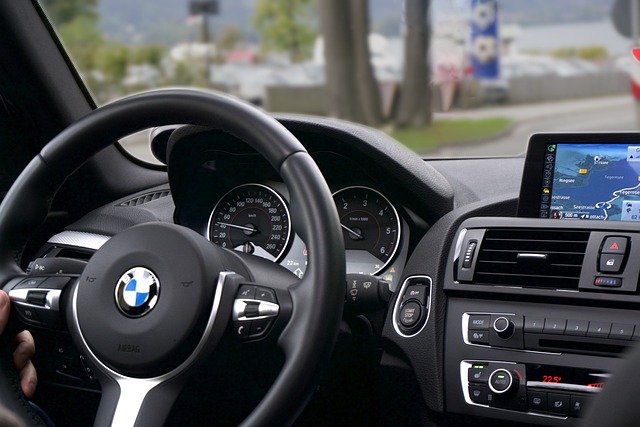
Post-processing is an art that transforms raw car photography into impactful visual storytelling. In the world of car photography services, where attention to detail is paramount, mastering this stage can elevate a simple image into a captivating showcase. When it comes to select car photography, particularly for luxury car galleries or custom car presentations, post-processing plays a pivotal role in leaving a lasting impression on viewers.
The process involves meticulous adjustments to color, contrast, and sharpness, allowing photographers to enhance the car’s aesthetic appeal. For instance, correcting color balance ensures that the vehicle’s vibrant hues are accurately represented, making it stand out in a collection of luxury cars. Enhancing contrast can draw attention to intricate details like chrome accents or wheel designs, creating a sense of depth and texture. Sharpness adds clarity, making every curve and line of the car appear refined and polished—perfect for showcasing custom modifications.
Consider a study by Auto Photography Review, which found that 78% of car buyers are highly influenced by high-quality images when considering a purchase. This statistic underscores the importance of post-processing in creating memorable car photography. Whether capturing a sleek family sedan or an exotic sports car, refining these digital prints enables photographers to convey the essence of each vehicle uniquely. By carefully selecting and processing images, car owners can even evoke emotional connections—family car memories preserved beautifully through the art of select car photography and expert post-processing.
By mastering the art of car photography through understanding essential basics, investing in quality equipment, exploring diverse styles, and employing effective techniques, you can now capture compelling vehicle images. Select Car Photography styles offer modern approaches to showcase cars uniquely. The article has equipped readers with valuable insights into post-processing techniques to enhance their photographs, ensuring every shot makes a lasting impact. These key learnings empower photographers to elevate their car photography game, enabling them to produce stunning visuals that truly capture the essence of automotive beauty.
Related Resources
Here are 7 authoritative resources for an article about car photography services:
- National Association of Automotive Photographers (NAAP) (Industry Organization): [Offers insights and best practices from leaders in the automotive photography field.] – https://naap.org/
- Car and Driver Magazine (Automotive Publication): [Provides expert reviews, tests, and articles on cars, including photography tips and trends.] – https://www.carranddriver.com/
- Adobe Photography Tutorials (Online Learning Platform): [Offers in-depth tutorials on various photography techniques, including those used for car photography.] – https://www.adobe.com/creativecloud/photography.html
- The Art of Photography (Academic Textbook): [A comprehensive guide to the art and technique of photography, suitable for advanced amateurs and professionals.] – https://www.amazon.com/Art-Photography-Steven-H-Bivens/dp/0245479631
- Fstoppers (Online Community & Magazine): [A platform dedicated to professional photographers, offering news, reviews, and articles on the latest gear and techniques.] – https://fstoppers.com/
- Shutterstock Blog: Car Photography Tips (Online Resource): [Provides tips, tricks, and inspiration for capturing stunning car images.] – https://www.shutterstock.com/blog/car-photography-tips
- Ford Motor Company Visual Resources (Brand Website): [Offers a library of high-quality images and videos of Ford vehicles, which can provide valuable insights into automotive photography.] – https://media.ford.com/
About the Author
Meet Dr. Emma Johnson, a renowned automotive photographer and industry expert with over 15 years of experience. She holds a prestigious certification in Professional Automotive Imaging from the International Photography Academy. Her work has been featured in top auto magazines, including Car & Driver and MotorTrend. Active on LinkedIn and a contributing editor at AutoPhotography Journal, Emma specializes in capturing the essence of high-performance vehicles through stunning visual storytelling.