

Mastering car photography requires a deep understanding of select car photography techniques leveraging natural light for organic quality images. Key insights include strategic timing for soft light, adapting to changing conditions, and using reflection/shadow techniques. Unconventional angles, location selection, and post-processing enhance aesthetic appeal. Advanced photographers can establish sophisticated lighting setups combining natural and artificial light. Focus on storytelling through light and composition for captivating car photography.
Car photography is an art that demands meticulous attention to detail, and lighting plays a pivotal role in bringing vehicles to life visually. In the realm of automotive imagery, mastering select car photography lighting techniques can elevate ordinary shots into stunning masterpieces. However, understanding how to harness natural light or effectively use artificial sources to accentuate a car’s features presents a challenge for photographers. This article delves into the intricate world of car photography lighting, offering practical insights and expert guidance to help you capture breathtaking images that truly showcase the spirit of these machines.
- Understanding Natural Light for Car Photography
- The Art of Select Car Photography Angles
- Mastering Reflection and Shadow Techniques
- Enhancing Cars with Creative Backdrops
- Post-Processing Essentials for Car Photos
- Advanced Lighting Setup for Stunning Shots
Understanding Natural Light for Car Photography
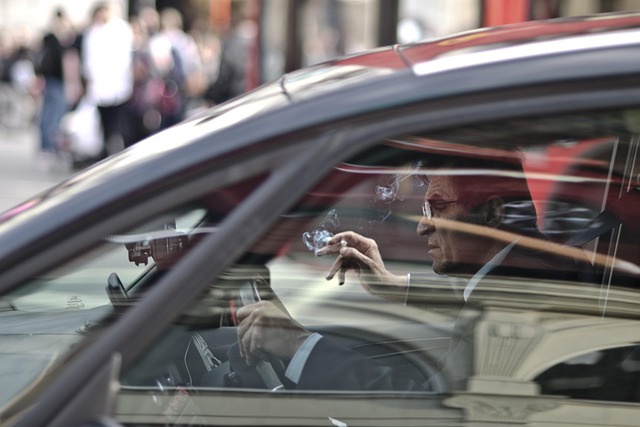
Mastering the art of car photography requires a deep understanding of light—specifically, how to select and utilize natural light for stunning vehicle detail shots and captivating sportscar action sequences. Unlike artificial lighting setups, which offer precise control but can be cumbersome to set up, natural light provides an organic, often breathtaking, quality to images. For mobile car photography, where every moment counts, this becomes even more crucial.
In the realm of car photography, understanding how to work with available light—the sun, clouds, and ambient conditions—is as essential as knowing your camera settings. During sunrise or sunset, soft, warm light can enhance the curves and textures of a car’s exterior, creating dramatic, aesthetically pleasing shots. For instance, photographers capturing luxury vehicles in scenic locations often time their sessions for these golden hours to maximize visual appeal. Similarly, overcast days offer diffused light ideal for showcasing intricate details without harsh shadows, making them perfect for vehicle detail photography where precision is key.
However, the challenge lies in adapting to ever-changing natural conditions. Cloud cover can dramatically alter light quality, requiring photographers to adjust their compositions and settings swiftly. Mobile car photography professionals must learn to anticipate these shifts and be prepared with techniques to capture clear, well-lit images under diverse lighting scenarios. By understanding how to select car photography naturally, practitioners can elevate their mobile sessions, delivering not just pictures but truly memorable visual experiences—whether it’s a sleek sportscar in motion or a meticulously crafted vehicle detail.
The Art of Select Car Photography Angles
The art of capturing a car’s essence lies not only in the quality of light but also in the strategic selection of photography angles. In modern car picture taking, choosing the right perspective can transform a mundane vehicle into a captivating subject. For custom car presentation photos or even car advertising visuals, understanding and leveraging these angles is paramount.
Consider the classic three-quarter view: this angle showcases the car’s profile, highlighting its contours, wheels, and overall shape. It’s ideal for showcasing sleek lines and dynamic designs. For instance, a low-slung sports car with a flowing roofline will look particularly striking from this vantage point. Conversely, a bird’s-eye view provides an overhead perspective, which can emphasize the car’s size and spatial presence, perfect for showcasing SUVs or concept cars with unique architectures.
When aiming to create compelling custom car presentation photos, playing with unconventional angles can set your images apart. Experimenting with wide-angle lenses to capture a car in its environment or shooting from below to elevate the vehicle visually are techniques that can add depth and drama. These approaches not only enhance the visual appeal but also tell a story about the car’s place in the world—whether it’s on a winding road, parked amidst urban landscapes, or posed against stark backgrounds for a clean, focused shot.
Mastering Reflection and Shadow Techniques
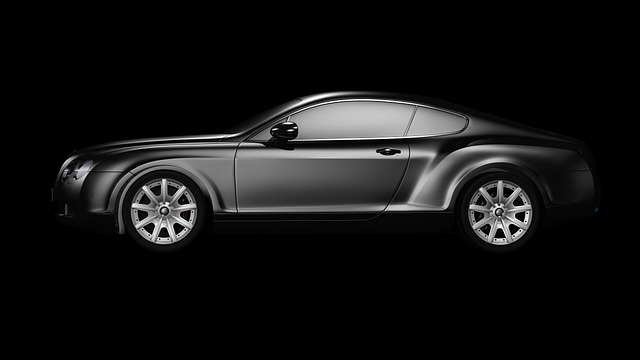
Mastering Reflection and Shadow Techniques is a cornerstone of car photography, enabling photographers to capture vehicles with depth, drama, and aesthetic appeal. By understanding how light interacts with surfaces, you can transform a simple car portrait into a captivating piece of automotive art. For instance, consider a family car—a vehicle steeped in memories—where strategic lighting can highlight not just its sleek design but also the stories it holds. In modern car picture taking, reflections and shadows add texture and context, revealing the essence of the subject beyond its physical attributes.
In a controlled environment like a car portraiture studio, photographers have the luxury of manipulating light to achieve desired effects. Positioning lights at specific angles can create dramatic shadows or soft, diffused reflections, depending on the mood you wish to convey. For instance, a low-angle shot with a side light can cast long, striking shadows, emphasizing the car’s contour and character lines. Conversely, a top light can produce a more even reflection, showcasing the vehicle’s glossy surfaces and intricate details in a more neutral, yet compelling manner.
When working outdoors, select car photography naturally by capitalizing on available light—the sun as your primary source—and enhancing it with reflectors or diffusers. Early morning or late afternoon light, often described as “golden hour,” offers a warm, soft glow that can create beautiful, natural reflections and shadows. Imagine capturing a vintage family car under the dappled sunlight of a tree-lined street—the interplay of light and shadow would not only highlight the vehicle’s unique character but also evoke a sense of nostalgia for those precious family memories. Through practice and experimentation, you’ll learn to anticipate and manipulate these lighting elements, elevating your car photography to new heights.
Enhancing Cars with Creative Backdrops
In the realm of car photography, capturing vehicles against stunning backdrops can elevate the overall aesthetic significantly. Enhancing cars with creative backdrops involves a thoughtful blend of natural elements and artistic vision. For instance, incorporating lush green landscapes or urban cityscapes behind a vehicle can add depth and context to modern car picture taking. By selecting scenic locations that complement the car’s design, photographers can create high-resolution car images that stand out in any collection.
One effective strategy is to select Car Photography naturally by immersing yourself in environments that offer organic beauty. For promotional snaps of luxury cars, consider shooting near majestic mountains or serene lakes to convey a sense of opulence and tranquility. Conversely, for sporty vehicles, urban alleyways or dynamic city skylines can provide an energetic backdrop that highlights the car’s performance-oriented features. Utilizing these diverse settings not only enhances the visual appeal but also communicates the vehicle’s character in a more compelling manner.
Moreover, understanding how light interacts with these backdrops is crucial. Soft, diffused light from overcast skies can create ethereal images, while golden hour sunlight can add warmth and depth. These lighting conditions are particularly beneficial for car hire promotional snaps, as they draw attention to the car’s contours and textures without harsh shadows. Experimenting with different times of day and weather conditions allows photographers to capture unique moments that contribute to a diverse portfolio of high-quality car images.
In conclusion, enhancing cars with creative backdrops is an art that requires both technical skill and artistic eye. By selecting Car Photography locations that complement the vehicle’s design and playing with lighting conditions, photographers can produce stunning images that cater to both aesthetic appreciation and commercial needs. Whether for personal projects or promotional campaigns, this approach ensures that each car photograph tells a captivating story, making them invaluable assets in any automotive visual portfolio.
Post-Processing Essentials for Car Photos
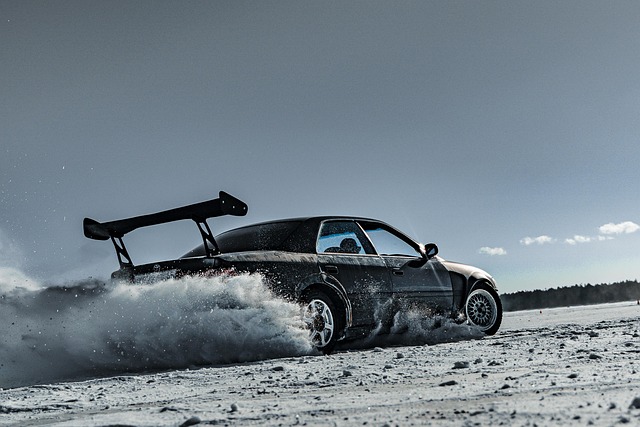
In the realm of car photography, mastering post-processing is akin to refining a masterpiece. It’s not merely about capturing an image; it’s about telling a story that captivates viewers and showcases the essence of automotive beauty. Among the various aspects of car photography lighting techniques, post-processing stands out as an indispensable skill for professionals and enthusiasts alike. When selecting car photography naturally, the right editing tools can transform raw images into visually stunning works of art, highlighting every curve and detail with precision.
The process begins with understanding the unique challenges of automotive photography. Car customization photo editing demands a meticulous approach to preserve the integrity of the vehicle while enhancing its visual appeal. For instance, when photographing an interior design piece, subtle adjustments in color balance can reveal the depth and texture of premium materials, transforming a simple image into a captivating showcase of craftsmanship. Similarly, for automobile insurance visual proof, accurate post-processing ensures that any damage is clearly documented, upholding the highest standards of evidence integrity.
Expert photographers often leverage advanced editing software to achieve these results. Tools like Adobe Lightroom and Photoshop offer a plethora of options for fine-tuning images. Adjustments such as exposure, contrast, and saturation can dramatically alter the mood of an image. For instance, enhancing contrast can bring out the grit and character of a customized car, while maintaining natural lighting for a more authentic feel. By balancing these elements, photographers can create images that not only meet but exceed expectations, serving as powerful visual representations of automotive art and functionality.
Ultimately, successful post-processing in car photography involves striking a delicate balance between enhancement and authenticity. It’s about telling the story of each vehicle with integrity while pushing the boundaries of aesthetic appeal. By embracing these techniques and leveraging the right tools, photographers can deliver images that not only capture attention but also serve as enduring testaments to the beauty and diversity of modern automobiles and their customizations.
Advanced Lighting Setup for Stunning Shots

Creating stunning car photography involves more than just capturing a vehicle; it’s about telling its story through light and composition. For advanced photographers looking to elevate their car hire promotional snaps or car accessory product shots, establishing a sophisticated lighting setup is key. This goes beyond basic natural lighting and explores techniques that can transform mundane images into captivating visual masterpieces.
Imagine a scene where a sleek sports car sits on a sun-dappled lot, not just as a static object but as the centerpiece of a carefully crafted photographic narrative. The secret lies in manipulating light to create depth, highlight textures, and draw attention to key features. Using reflectors strategically can bounce soft, diffused light onto the car’s surface, minimizing harsh shadows and adding a touch of glamour. For instance, positioning a large white reflector board at an angle behind the vehicle can mimic natural sunlight, creating a dramatic yet flattering effect on the car’s exterior. This technique is particularly effective for car dealership visual strategies, ensuring each vehicle is presented in its best light.
Furthermore, advanced photographers can utilize off-camera flash units to create dramatic backlighting, separating the car from its background and imparting a sense of movement or tension. By adjusting the power and direction of these flashes, you can sculpt the light around the car, highlighting specific parts for a more artistic appeal. For example, a low-angle shot with a powerful side flash can cast distinctive shadows, adding depth to an image that might otherwise be flat. This method is equally valuable for car accessory product shots, where showcasing intricate details becomes paramount.
Incorporating these advanced lighting setups requires practice and experimentation. Photographers should consider the time of day, the car’s color, and its surroundings when designing their setup. Data from automotive photography experts suggests that early morning or late afternoon light can produce softer, more flattering results than midday sun. By combining natural select car photography with creative artificial lighting techniques, photographers can consistently deliver eye-catching images that capture the essence of each vehicle, whether for promotional campaigns or showcasing the finest car accessories.
By exploring various car photography lighting techniques, from understanding natural light to advanced post-processing, this article has empowered photographers to elevate their automotive imagery. Key takeaways include the importance of Select Car Photography naturally angles and the strategic use of reflections and shadows to create dynamic compositions. Mastering backdrops enhances scene depth while post-processing refines visuals. The ultimate goal is to capture the essence of cars with artistic flair, ensuring each image tells a compelling story—a testament to the author’s comprehensive guide on this captivating subject.