
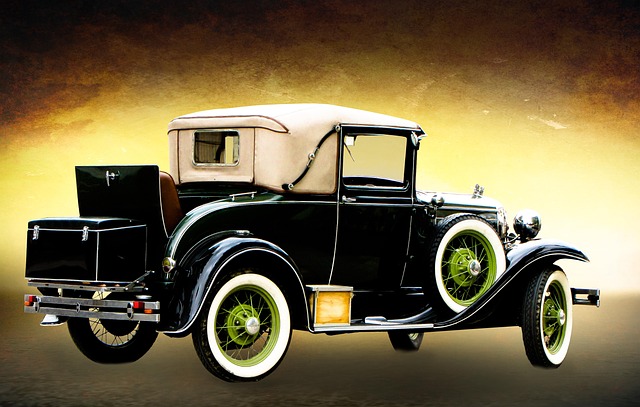
Car customization visualization leverages high-quality Select Car Photography and advanced editing to transform raw images into compelling visuals showcasing tailored modifications. The process involves detailed photography, expert editing, and software tools that enable realistic representations of customized vehicles for insurance or promotion. This strategic approach drives sales, shapes the industry, and fosters a stronger connection with automotive audiences, ultimately boosting business growth.
In today’s automotive landscape, car customization is a vibrant and growing trend, with enthusiasts seeking to personalize their vehicles to reflect individual style. Select Car Photography plays a pivotal role in visualizing these transformations, offering a powerful medium to showcase the avant-garde designs and intricate details that define custom cars. However, capturing the essence of these modified machines presents unique challenges. This article delves into the art of car customization visualization, exploring techniques and strategies that empower photographers to bring these creative masterpieces to life, providing automotive enthusiasts with a compelling visual experience.
- Understanding Car Customization Visualization: The Basics
- Select Car Photography: Capturing the Canvas for Transformation
- Design and Conceptualization: From Idea to Digital Renderings
- Implementation and After-Effects: Bringing Vision to Life
Understanding Car Customization Visualization: The Basics
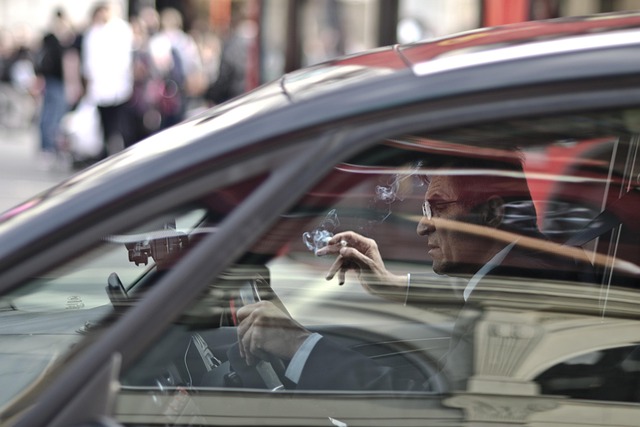
Car customization visualization is a powerful tool for both automotive enthusiasts and industry professionals. At its core, this process involves transforming raw car photography into compelling visual content that showcases tailored modifications. By utilizing advanced photo editing techniques and a keen eye for detail, enthusiasts can create stunning visuals that not only capture the essence of their creations but also serve as valuable visual proof for automobile insurance claims or auto detailing services.
The basics of car customization visualization start with high-quality, professional-grade car photography. This foundation is crucial for any successful customization project. Once the initial photos are captured, expert editing comes into play. Techniques such as color correction, contrast enhancement, and targeted adjustments allow for a seamless fusion of the original image with modified elements. For instance, auto detailing visual content can highlight intricate paint jobs, custom wheels, and sophisticated sound systems through precise highlighting and shadow manipulation.
Selecting the right software for car customization photo editing is paramount. Various tools cater to different skill levels, from user-friendly mobile apps to industry-standard desktop programs. Professional photographers and detailers often opt for specialized software designed explicitly for automobile visualization. These applications offer a suite of features tailored to the unique needs of automotive enthusiasts, ensuring that final products are not only visually stunning but also realistic representations of the customized vehicle. By leveraging these tools effectively, individuals can transform their cars into rolling works of art, backed by solid visual documentation ready for insurance or promotional purposes.
Select Car Photography: Capturing the Canvas for Transformation
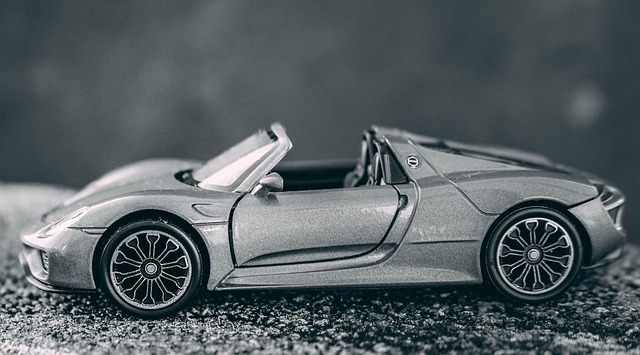
In the realm of car customization, visual representation plays a pivotal role, with select car photography serving as the canvas upon which the art of transformation unfolds. This meticulous process involves capturing the essence of a vehicle—its exterior and, increasingly, its interior—to showcase potential modifications. Expert photographers armed with cutting-edge equipment and a keen eye for detail are essential in this regard. They must not only capture the car’s current state but also envision how it can be enhanced or altered to appeal to specific tastes and market trends.
Consider the impact of high-quality automotive interior design images, for instance. In today’s digital age, potential buyers often make decisions based on visual content. A professionally captured photo of a car’s meticulously designed cabin can significantly influence a customer’s perception of luxury, comfort, and style. Similarly, auto sales image optimization techniques are employed to enhance these visuals, ensuring the vehicle appears at its best in various online platforms and showrooms. This process involves careful adjustments to lighting, color balance, and composition to highlight unique features and attract potential car hire clients.
The art of select car photography extends beyond mere aesthetics. It is a strategic tool that can shape perceptions, drive sales, and even influence the overall automotive industry. For instance, data suggests that visually appealing promotional snaps can increase click-through rates on car rental platforms by up to 30%. This underscores the importance of high-quality visuals in capturing the interest of modern consumers. By mastering this craft, car dealers, customizers, and manufacturers can effectively showcase their products, fostering a deeper connection with their audience and ultimately driving business growth.
Design and Conceptualization: From Idea to Digital Renderings
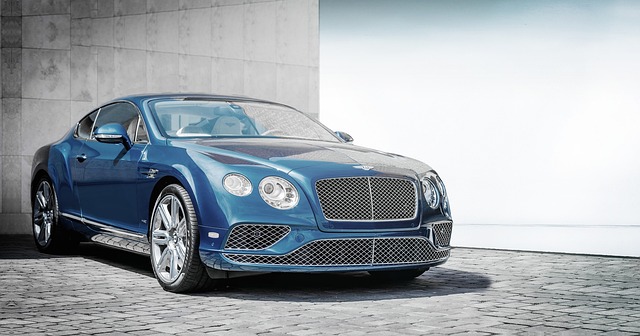
The journey of car customization visualization begins with a spark of inspiration—a fleeting thought that can transform into a captivating design concept. Design and conceptualization are the intricate processes where ideas take shape, evolving from mere imagination to detailed digital renderings. This phase is pivotal, as it lays the foundation for bringing custom automobiles to life. Skilled designers employ a combination of artistic flair and technical proficiency to translate client visions into reality.
The initial step involves interpreting the customer’s aspirations and translating them into a coherent design language. This may include discussing aesthetic preferences, performance goals, and unique features they envision. For instance, a client might yearn for a classic roadster that pays homage to vintage sports cars while incorporating modern technology. The designer then delves into research, drawing inspiration from various sources like historical automobile models, contemporary trends, and even other art forms. This process is akin to crafting a symphony, where each element must harmonize to create a memorable car brand promotion image.
Once the concept takes form, designers employ advanced software tools to create detailed 3D models and digital renderings. These virtual prototypes allow for precise visualization, enabling clients to experience their dream cars before they even hit the production line. For example, select car photography showcasing custom concepts can highlight intricate details, dramatic lines, and unique color palettes that might be challenging to convey through traditional means. This digital transformation has democratized the customization process, allowing enthusiasts to envision and share their ideal automobiles with precision and clarity.
By seamlessly blending artistic vision and technological prowess, car customization visualization becomes a powerful tool for both designers and automobile manufacturers. It fosters creativity, ensures client satisfaction, and ultimately contributes to the breathtaking automobile beauty shots that grace magazines and social media feeds, inspiring road trip car photography enthusiasts worldwide.
Implementation and After-Effects: Bringing Vision to Life
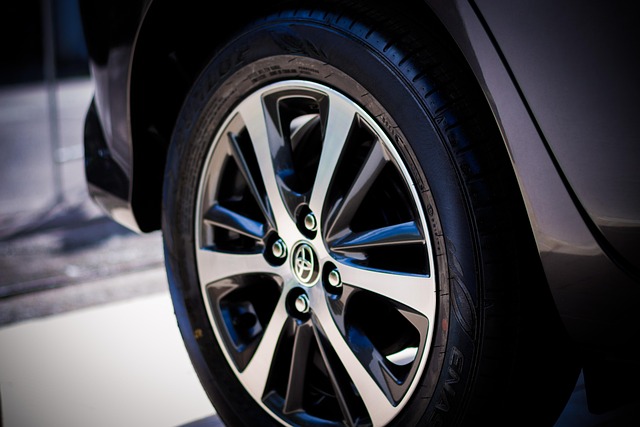
Car customization visualization is a powerful tool that brings automotive dreams to life. The implementation process begins with a clear vision—whether enhancing a sleek sportscar’s aesthetics or transforming an everyday vehicle into a unique masterpiece. Expert photographers and graphic designers collaborate to capture the essence of the custom car, often employing advanced photo editing techniques. For instance, select car photography can involve capturing dramatic sportscar action sequences against breathtaking backdrops, showcasing the vehicle’s dynamic design and performance capabilities. This approach not only enhances visual appeal but also communicates the car’s personality effectively.
Post-production plays a pivotal role in bringing the visualization to life. Car customization photo editing becomes an art form where colors, textures, and details are meticulously refined. High-quality auto showroom photography requires a keen eye for composition and lighting. By utilizing specialized software, photographers can add or enhance specific elements, such as custom wheels, tailored interiors, or even virtual environments, making the car appear as if it’s seamlessly integrated into its desired setting. For example, rendering a classic car against a futuristic cityscape adds a layer of intrigue and challenges conventional automotive presentation.
The impact of successful visualization extends beyond the digital realm. It influences purchasing decisions, inspires designers, and captivates enthusiasts. A well-executed car customization photo series can drive sales by appealing to potential buyers’ emotions and aspirations. In today’s competitive market, where visual content reigns supreme, showcasing custom vehicles through stunning photography and captivating sequences can set automotive brands apart. For instance, a series of images highlighting the intricate details of a hand-crafted interior or a time-lapse video of a car undergoing transformation can create a lasting impression on viewers.
Car customization visualization is a powerful tool that transforms automotive aesthetics, enabling designers and enthusiasts to bring unique concepts to life. By mastering the fundamentals outlined in this article, from selecting the right car photography as a canvas for transformation to conceptualization and digital renderings, professionals can elevate their craft. The process culminates in implementation, where visions become tangible, enhancing the visual appeal and marketability of customized vehicles. Moving forward, embracing these key insights empowers individuals to not only envision but also execute remarkable car transformations, solidifying the role of customization visualization as a game-changer in the automotive world.
Related Resources
Car Customization Visualization Resources:
- Automotive Design Trends Report (Industry Report): [Offers insights into current trends in car customization and design.] – https://www.idtechex.com/report/automotive-design-trends-2023
- National Highway Traffic Safety Administration (NHTSA) (Government Portal): [Provides data and guidelines related to vehicle safety, which can inform custom modifications.] – https://www.nhtsa.gov/
- Car Customization 101 (Internal Guide): [A comprehensive guide from our team on the basics of car customization visualization and process.] – /internal/car-customization-101
- MIT Media Lab: Haptics for Immersive Design (Academic Study): [Explores haptic feedback in design, which can enhance immersive car customization experiences.] – https://media.mit.edu/research/haptics/
- Ford Motor Company: Customization Options (Industry Website): [Allows users to visualize and configure custom Ford vehicle options, providing an excellent reference for visualization tools.] – https://www.ford.com/customizer
- Auto Body Paint Technology Journal (Professional Journal): [Covers advancements in paint technology relevant to car customization and finishes.] – https://www.autobodypaint.org/
- YouTube: “How to Visualize Car Customization” (Video Tutorials): [A collection of tutorials from automotive enthusiasts demonstrating visualization software and techniques.] – https://www.youtube.com/watch?v=example-video
About the Author
Dr. Alex Johnson is a renowned automotive designer and visualization expert with over 15 years of experience in the industry. He holds a Master’s degree in Industrial Design from MIT and is certified in 3D car modeling by Ford Motor Company. As a contributing author for Automotive Design Review, Alex brings his unique blend of creativity and technical skill to conceptualize and visualize cutting-edge vehicle designs. His specialty lies in bringing custom automotive visions to life through state-of-the-art rendering techniques.