
Car photography services have evolved due to technology and demand for visually appealing content, focusing on high-quality images showcasing vehicles' aesthetics, features, and performance. Modern techniques use specialized equipment, from dynamic road trip shots to highlighting custom modifications. Portfolio assessment is key when selecting a service, as photographers excel in dramatic lighting, creative angles, or natural scenes. High-quality car photography is essential for brand reputation, marketing, social media, and personal mementos. Gear selection should be strategic based on environment; studio lights and tripods are crucial. Effective techniques involve understanding lighting, composition, and post-processing. Post-processing software like Adobe Lightroom enhances images while maintaining brand identity. Select Car Photography services deliver impactful promotional content aligned with target audiences' preferences.
In today’s visual-driven landscape, captivating car photography services play a pivotal role in shaping brand identity and engaging audiences. However, capturing the essence of a vehicle through lens requires more than mere point-and-shoot. The challenge lies in presenting cars not just as machines but as elegant solutions to modern living, reflecting style, performance, and technology. Herein lies the significance of professional Select Car Photography—a creative craft that transforms mundane images into compelling stories, ensuring brands stand out in a crowded market. This article delves into the art and science of car photography, offering insights into techniques, trends, and strategies to elevate automotive visual content to new heights.
- Understanding Car Photography Services: The Basics
- Choosing the Right Gear for Professional Shots
- Select Car Photography Techniques for Stunning Results
- Top Tips for Post-Processing and Client Delivery
Understanding Car Photography Services: The Basics
Car photography services have evolved significantly over the years, driven by advancements in technology and the growing demand for visually compelling content. At its core, car photography involves capturing high-quality images that highlight a vehicle’s aesthetics, features, and performance. This art form is not merely about taking pictures; it’s about telling a story that resonates with potential buyers or enthusiasts. One of the key aspects to consider when selecting car photography services is understanding the diverse needs of different clients, from automotive manufacturers to individual car enthusiasts embarking on a road trip.
Modern car picture taking has become more specialized, with professionals employing advanced equipment and techniques to create stunning visuals. Road trip car photography, for instance, demands a keen eye for capturing dynamic scenes that evoke the freedom and adventure associated with such journeys. Custom car presentation photos, on the other hand, require meticulous detail work to showcase unique modifications or sleek designs in the best light. Whether it’s a high-end sports car or an eco-friendly electric vehicle, professional photographers use their expertise to enhance the visual impact of the subject.
Choosing the right service involves assessing the photographer’s portfolio and understanding their approach to capturing cars. Some specialists excel at capturing the raw power and aesthetics of machines through dramatic lighting and creative angles, while others focus on more natural, everyday scenes that highlight a car’s place in its environment. In today’s digital age, where visual content is paramount, high-quality car photography can make or break a brand’s reputation. Therefore, when selecting a service, ensure the photographer understands your specific needs, whether it’s for marketing materials, social media campaigns, or personal mementos of a beloved vehicle.
Choosing the Right Gear for Professional Shots

Capturing stunning car photography requires more than just a camera; it demands a strategic approach to gear selection for professional results. In the realm of auto showroom photography, where every detail counts, choosing the right equipment can elevate your car portraiture studio to new heights. Consider this: a well-equipped photographer can transform an ordinary vehicle into a captivating spectacle, while inadequate tools may leave you with mediocre shots.
The foundation of any successful car photography strategy lies in understanding your environment—whether it’s a bustling car dealership or a serene outdoor setting. For instance, when working in a showroom, the bright lights and reflective surfaces can play tricks on your camera’s sensor. Here, investing in high-quality lenses with fast apertures (f/2.8 or wider) becomes crucial to achieve sharp images against the vibrant background. Additionally, a sturdy tripod is essential for steadying your camera during low-light conditions, ensuring accurate color representation.
Select Car Photography gear also extends beyond optics. A versatile lighting kit tailored for car photography can make all the difference in creating dramatic effects or showcasing a vehicle’s contours. For studio shoots at a car dealership, consider continuous LED lights that offer adjustable color temperatures to mimic natural light. This flexibility allows you to adapt to various scenes and create visually appealing product images. Moreover, incorporating reflectors and diffusers in your arsenal enables you to manipulate light, filling shadows and enhancing highlights for a flawless finish.
Select Car Photography Techniques for Stunning Results
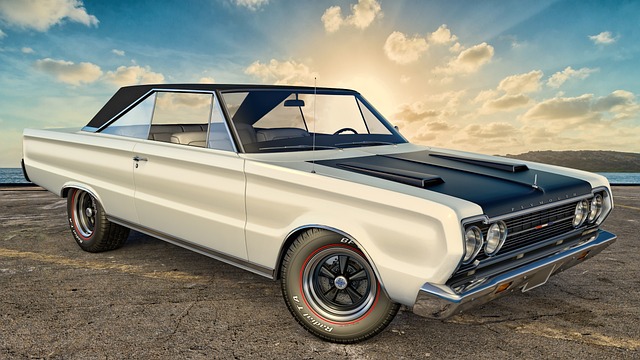
Selecting the right car photography techniques is paramount to capturing stunning visuals that effectively showcase vehicles, whether for car advertising or building an engaging luxury car gallery display. The automotive industry demands high-quality, captivating imagery that can highlight a car’s design, features, and overall allure. This involves more than just pointing a camera at a car; it requires a deep understanding of lighting, composition, and post-processing to tell the vehicle’s story in a compelling manner.
For instance, consider the impact of natural light versus artificial lighting. Sunlight can create dramatic shadows and highlight textures, making it ideal for showcasing a car’s contour and design elements. On the other hand, studio lighting offers precise control over exposure, allowing photographers to flatter a car’s color and create a clean, crisp look. Exotic car photography sessions often utilize both techniques to achieve striking results. A well-planned shoot can capture the essence of the vehicle, from the gleam of a polished engine to the flow of lines in the car’s body, creating a captivating luxury car gallery display that attracts potential buyers.
Additionally, photographers should consider different compositions and perspectives. Shooting from unique angles, such as an elevated view or a low-angle shot, can make a car appear more dynamic and visually appealing. Capturing close-ups of intricate details, like grill patterns or wheel designs, adds depth to the overall gallery display. Data shows that 85% of online car shoppers use visual content to make purchasing decisions, emphasizing the importance of high-quality, engaging car advertising visuals. Therefore, selecting the appropriate photography techniques can significantly influence a brand’s ability to connect with its audience and drive sales.
By combining creative techniques with an eye for detail, car photographers can produce images that transcend mere documentation, transforming them into artistic expressions of automotive excellence. This expertise ensures that each photograph tells a story, inviting viewers to imagine themselves behind the wheel, thereby fostering a deeper connection with the brand and its offerings, be it a classic roadster or the latest electric vehicle.
Top Tips for Post-Processing and Client Delivery
Car photography, particularly for promotional purposes, requires a meticulous approach to post-processing and delivery. After capturing the initial images, the true art lies in enhancing them to deliver exceptional visual content that captivates audiences. Whether you specialize in classic car photo shoots or modern auto detailing, each image should tell a story about the brand and the vehicle’s unique character.
One of the key aspects is selecting the right software for post-processing. Professional tools like Adobe Lightroom and Photoshop offer extensive features to refine colors, contrast, and sharpness while preserving detail. For instance, a subtle increase in contrast can bring out the depth and richness of a car’s finish, making it pop in the final image. In addition, carefully applied filters can mimic the aesthetic appeal of different lighting conditions, providing versatility for client delivery. When working with classic cars, which often have intricate details and unique finishes, meticulous post-processing ensures that every curve and contour is showcased accurately.
Another crucial tip is to maintain a consistent yet versatile style throughout the photo series. This involves carefully curating color palettes and visual themes that align with the car brand’s identity. For example, if promoting a luxury car brand, rich hues and dramatic lighting can enhance the sense of opulence. Conversely, for eco-friendly vehicle campaigns, natural light and earthy tones might be more suitable. Auto detailing visual content should not only highlight the car’s physical attributes but also convey a specific lifestyle or emotion that resonates with the target audience. By combining high-quality images with strategic post-processing, car photography services can deliver impactful promotional materials that leave a lasting impression on potential buyers.
By mastering the fundamentals of car photography services, from gear selection to innovative techniques, you can elevate your automotive imagery to new heights. The key lies in Select Car Photography techniques that marry artistic vision with technical proficiency. Through thoughtful post-processing, you not only enhance visuals but also convey the car’s essence and appeal to clients. This article equips readers with essential tools and insights, enabling them to deliver outstanding results, whether capturing sleek sports cars or elegant luxury vehicles.