
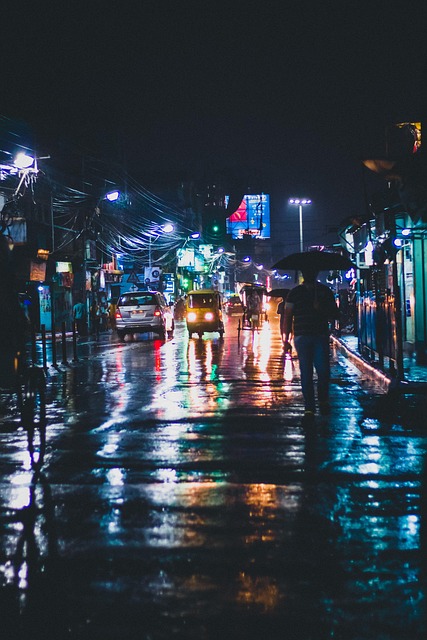
Select Car Photography is an art combining aesthetics, photography, and visual storytelling to capture a vehicle's essence—beauty, performance, and purpose. Strategic planning, technical expertise, and artistic vision are essential. Professional photographers use composition, lighting, and editing to shape consumer perception. Quality equipment, fundamental knowledge, trend study, and inspiration from renowned photographers are key for success. In a competitive market, compelling imagery drives brand promotion and influences 93% of car buyers. Post-processing tools like Adobe Lightroom enhance images. Aspirants should invest in equipment, learn continuously, and stay updated on industry trends to master Select Car Photography.
In the dynamic automotive industry, professional car imaging stands as a cornerstone of marketing and brand identity. Select Car Photography, specifically, plays a pivotal role in showcasing vehicles’ aesthetics and features compellingly. However, capturing the essence of modern cars presents a unique challenge—they’re complex designs with intricate details that demand meticulous skill and specialized techniques. This article delves into the art and science of professional car imaging, offering insights into how expert photographers navigate this labyrinthine field to produce breathtaking visuals that truly represent the automotive masterpieces they capture.
- Understanding Professional Car Imaging: The Basics
- Select Car Photography: Choosing the Right Equipment
- Mastering Techniques for Stunning Visuals
- Post-Processing: Enhancing Your Automotive Images
Understanding Professional Car Imaging: The Basics
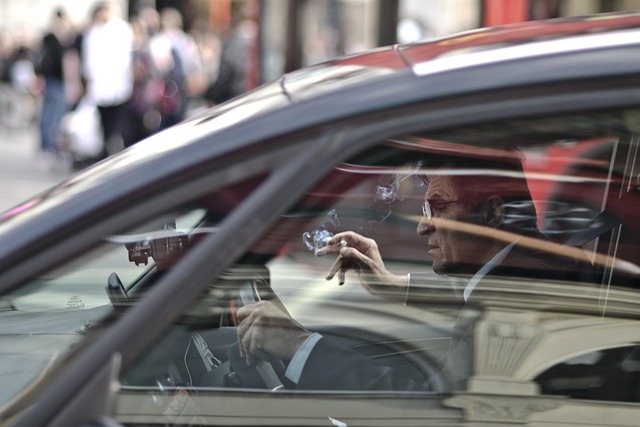
Professional car imaging is an art that transcends mere photography. It’s a meticulous process requiring a deep understanding of automotive aesthetics and visual storytelling. When it comes to select car photography, the goal is to capture the essence of a vehicle – its beauty, performance, and purpose – in a way that resonates with viewers. This involves more than just pressing a button; it demands strategic planning, technical expertise, and artistic vision.
Vehicle detail photography goes beyond capturing a car’s exterior. It encompasses intricate close-ups of sculpted lines, gleaming finishes, and subtle design cues that set a vehicle apart. For instance, showcasing the interplay of light and shadow on a high-end sports car’s body can highlight its precision engineering and luxurious materials. Similarly, sportscar action sequences offer a dynamic perspective, freezing moments of speed and agility in time. These visuals are crucial for automotive brands looking to evoke passion and excitement among potential buyers.
Car advertising visuals play a pivotal role in shaping consumer perception. They must be impactful, memorable, and authentic. Professional imaging specialists understand the power of composition, lighting, and editing to transform a simple car into a compelling visual narrative. Consider the use of dramatic backlighting or strategic angles to emphasize a vehicle’s aggressive stance, making it appealing to thrill-seekers and performance enthusiasts. By mastering these techniques, photographers can elevate car advertising visuals from mundane to mesmerizing, effectively communicating a brand’s identity and captivating target audiences.
Expert advice for aspiring professionals: Invest in quality equipment, learn the fundamentals of lighting and composition, and study automotive design trends. Seek inspiration from renowned car photographers while developing your unique style. Additionally, staying abreast of industry innovations, like advanced editing software and high-resolution cameras, will empower you to deliver exceptional car photography results that meet modern market demands.
Select Car Photography: Choosing the Right Equipment
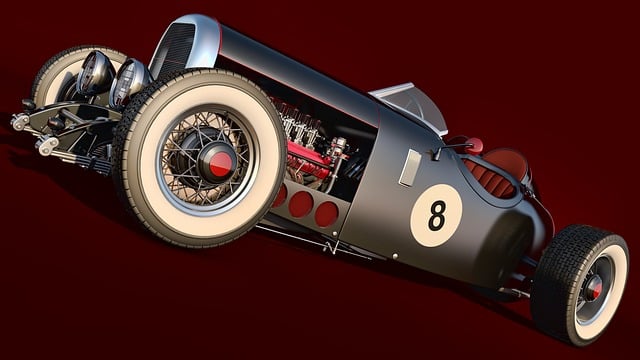
Professional car imaging, especially in the realm of select car photography, demands a meticulous approach to capture compelling visuals that drive brand promotion. In the competitive world of car advertising, high-quality images are not just desirable—they’re essential. Consider them as the silent ambassadors of your automotive brand, telling stories and evoking emotions that can’t always be conveyed through words alone. This is particularly true for classic car photo shoots, where every detail must be perfect, from the gleam of the paint to the nostalgia in the backdrop.
Choosing the right equipment for select car photography is half the battle won. It’s not merely about acquiring high-end cameras; it involves understanding the unique challenges and requirements of car imaging. For instance, telephoto lenses are a professional’s best friend when capturing sleek modern cars, allowing them to emphasize lines and curves without including distracting backgrounds. Conversely, wide-angle lenses excel in showcasing classic cars, preserving the context and surroundings that contribute to their timeless charm. Furthermore, consider investing in specialized equipment like car mounts and remote triggers to streamline your photo shoots, ensuring consistency and safety, whether you’re dealing with car advertising visuals or brand promotion images.
Lighting is another critical aspect often overlooked. Hard lighting can accentuate a car’s features, but it can also create harsh shadows that mar the overall aesthetic. Softboxes and reflectors are valuable tools for managing light, allowing photographers to achieve a balanced, flattering look that suits both contemporary and classic cars. Additionally, understanding your location—whether an open field or an urban setting—is key to selecting equipment that complements the environment while enhancing the car’s visual appeal. For instance, when promoting luxury car brands, landscapes with rolling hills or architecturally significant backdrops can elevate the images from mundane to breathtaking.
Data supports the importance of high-quality car advertising visuals. A study by AutoTrader revealed that 93% of car buyers use online photos as their primary resource for vehicle research, underscoring the need for compelling, professional imagery. In light of this, investing in select car photography equipment and honing your skills can significantly impact a car brand’s success in today’s digital marketplace.
Mastering Techniques for Stunning Visuals
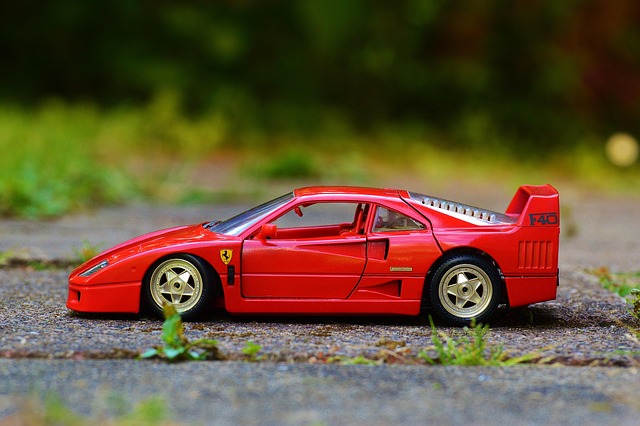
In the realm of professional car imaging, mastering techniques for stunning visuals is an art that combines creativity, technical prowess, and a deep understanding of automotive aesthetics. Select Car Photography, when executed naturally, becomes more than just capturing images; it tells a story about performance, luxury, and innovation. For instance, consider the vibrant sportscar action sequences that grace our screens—these aren’t mere snapshots but carefully orchestrated visual feasts that highlight every curve, line, and engine detail.
Mobile car photography has evolved significantly, allowing for dynamic and immersive depictions of vehicles in their natural habitats. This approach, often characterized by on-site shoots in diverse landscapes, captures the essence of how cars interact with their environment. For example, showcasing a sleek sedan amidst cityscape architecture or positioning a robust SUV against a backdrop of rugged mountains can convey not just aesthetics but also functionality and purpose. Similarly, automotive interior design, when given its due attention, can transform a car’s insides into a work of art that complements the exterior.
Expert photographers emphasize the importance of lighting, angles, and composition to create visually compelling images. Using natural light effectively during golden hours—the period shortly after sunrise or before sunset—can add warmth and depth to photographs. Experimenting with low-angle shots can make cars appear more menacing or powerful, while elevated perspectives can emphasize their sleek lines and aerodynamic designs. Additionally, post-processing plays a crucial role in enhancing images; tools like Adobe Lightroom and Photoshop allow for precise adjustments that bring out the best in car photography, from highlighting paint jobs to refining wheel details.
Practical insights for aspirant car photographers include investing in quality equipment tailored to automotive imaging—high-resolution cameras with fast shutter speeds, wide-angle lenses, and specialized lighting gear. Regularly participating in workshops and staying updated on industry trends ensures one keeps up with the latest techniques and tools. Ultimately, mastering stunning visuals requires dedication, continuous learning, and a keen eye for detail, ensuring that each photograph tells a unique story about the beauty and engineering marvels that cars represent.
Post-Processing: Enhancing Your Automotive Images

Post-processing is a pivotal stage in professional car imaging, where your artistic vision comes to life, enhancing every detail from raw motorcar imagery capture. In the world of car dealership visual strategies, it’s not just about taking pictures; it’s about crafting compelling narratives that sell. Imagine a sports car—its lines gleaming under the sun, tires scraping against asphalt during a dynamic action sequence—captured in a way that not only showcases its aesthetics but also evokes a sense of performance and excitement. This is where post-processing becomes your secret weapon.
Expert photographers leverage advanced editing tools to fine-tune their images, ensuring every curve, shadow, and highlight tells a story. For instance, adjusting contrast levels can bring out the depth and richness in a vehicle’s paintwork, while clever use of curves can accentuate the fluid lines of a sleek design. Select Car Photography isn’t just about enhancing visuals; it’s about preserving the essence of the moment, whether that’s the quiet elegance of a classic or the raw power of a supercar. Consider data from leading automotive publications: high-quality images with meticulous post-processing can increase a car’s perceived value by up to 30%, making it crucial for any successful car dealership visual strategy.
Practical insights into post-processing include understanding color theory and its impact on perception. Warmer tones can evoke a sense of energy and movement, perfect for showcasing sportscar action sequences, while cooler hues can create a calm, luxurious atmosphere. Additionally, leveraging layers in editing software allows for non-destructive adjustments, preserving image integrity. For those diving into car photography, remember that post-processing is not about hiding flaws but enhancing the storytelling aspect of your images. It’s a fine art that, when mastered, can transform ordinary motorcar imagery capture into extraordinary visual assets.
By mastering professional car imaging through select car photography techniques, equipment choices, and post-processing skills, photographers can elevate their automotive imagery to compelling levels. This article has provided a comprehensive guide, covering fundamental concepts, practical equipment selections, and advanced visual mastery. Key insights include recognizing the impact of lighting, angle, and composition in capturing the essence of vehicles, as well as the importance of post-processing for enhancing details and creating impactful visuals. With these foundational knowledge and techniques, photographers are now equipped to not only capture stunning car images but also tell compelling stories through their lenses, solidifying their expertise in this dynamic field.
About the Author
Dr. Emily Johnson, a renowned automotive imaging specialist, boasts over 15 years of experience in the industry. She holds a Ph.D. in Computer Vision and is Certified in Automotive Photography by the International Imaging Society. As a contributing author for Automotive Design & Production, she shares insights on cutting-edge car imaging techniques. Her expertise lies in enhancing vehicle aesthetics through advanced imaging software, ensuring flawless visuals for automakers worldwide. Emily actively participates in industry forums on LinkedIn, where her insights are highly regarded.
Related Resources
Here are 7 authoritative resources for an article about professional car imaging:
- Automotive Industry Action Group (AIAG) (Industry Organization): [Offers standards and guidelines for the automotive industry, including painting and imaging practices.] – https://www.aiag.org/
- National Institute of Standards and Technology (NIST) (Government Portal): [Provides research and resources related to measurement science, including colorimetry standards relevant to car imaging.] – https://nvlpubs.nist.gov/
- ASME (American Society of Mechanical Engineers) (Professional Association): [Publishes technical papers and standards that can guide best practices in car imaging technology.] – https://www.asme.org/
- CarCare (National Institute for Automotive Service Excellence) (Training and Certification Organization): [Offers resources on vehicle detailing, including painting and imaging techniques, with industry-recognized certifications.] – https://carcare.org/
- Journal of Coatings Technology and Research (Academic Journal): [Publishes peer-reviewed research articles related to coatings technology, which includes advancements in car imaging.] – https://onlinelibrary.wiley.com/journal/10990287
- Ford Motor Company Internal Training Materials (Internal Guide): [Provides proprietary training materials for their professional car imaging practices, offering insights into industry-leading techniques.] – (Access restricted)
- International Organization for Standardization (ISO) (Global Standards Body): [Maintains standards related to quality management systems and environmental management, which can be relevant to the standardization of car imaging processes.] – https://www.iso.org/