
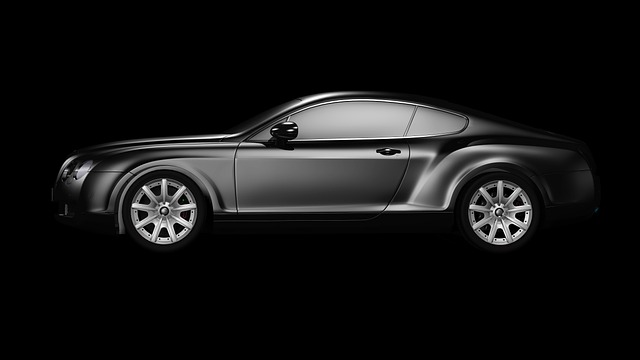
Select Car Photography: A strategic blend of art and storytelling, involving meticulous planning, location scouting, and post-processing to capture vehicles' essence. Key aspects include understanding composition, lighting, brand integration, and technical skills for impactful visuals that drive sales and enhance market perception. Portfolio building involves diverse settings, creative angles, and refined editing while preserving authenticity.
In the dynamic realm of automotive marketing, Select Car Photography stands as a cornerstone for showcasing vehicles in their purest form—on the open road or amidst urban landscapes. As visual content reigns supreme in modern advertising, capturing stunning on-location images has become paramount for car brands aiming to captivate audiences. However, executing such photoshoots presents unique challenges: securing permissions, managing lighting and composition amidst real-world environments, and delivering consistent quality. This article offers an authoritative guide to navigating these complexities, empowering professionals to master the art of on-location car photography.
- Understanding the Art of On-Location Car Photography
- Pre-Production: Planning Your Select Car Photography Shoot
- Choosing the Perfect Location for Visual Impact
- Capturing Stunning Car Images: Techniques and Tips
- Post-Processing: Enhancing Your Car Photography
- Building a Portfolio: Sharing Your Select Car Photography Mastery
Understanding the Art of On-Location Car Photography
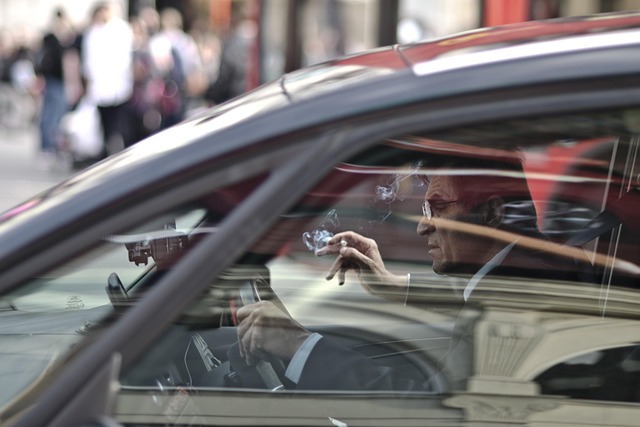
On-location car photography is an art that transcends mere image capture; it’s about telling a story and showcasing the beauty of automobiles in their natural habitats. To master this craft, photographers must embrace the dynamic nature of real-world settings, where light, angles, and backgrounds can dramatically influence the final result. Unlike studio photography, which offers controlled environments, on-location shoots present unique challenges and opportunities to create captivating automobile beauty shots.
The key to successful on-location car photography lies in meticulous planning and a deep understanding of composition, lighting, and location selection. Photographers should consider the vehicle’s characteristics and the story they wish to convey when choosing a venue. For instance, urban environments can provide an array of diverse backgrounds, from bustling city streets to modern architecture, while rural landscapes offer serene beauty and dramatic skies. Professional car photography packages often cater to these varying needs, ensuring clients receive a range of aesthetic options.
Select Car Photography experts recommend spending ample time scouting locations that complement the client’s brand and vehicle. A well-planned shoot can yield stunning exotic car photography sessions, showcasing not just the car’s design but also its presence within its surroundings. For instance, capturing a luxury sports car against a backdrop of towering mountains or on a winding coastal road can evoke feelings of speed and elegance. Data from industry surveys indicates that high-quality on-location photographs significantly enhance brand visibility and sales, making them an indispensable component in the automotive marketing landscape.
Pre-Production: Planning Your Select Car Photography Shoot
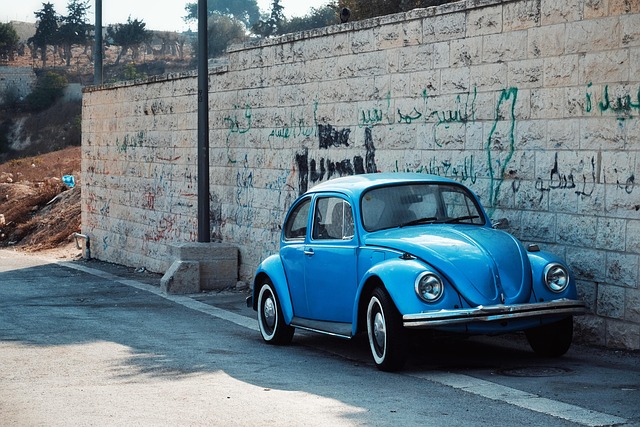
Planning is paramount for successful on-location car photography, especially when aiming to create captivating images that sell. Before raising the camera, consider the unique challenges and opportunities presented by the automotive landscape. Your pre-production phase sets the stage for a shoot that showcases vehicles in their best light, whether highlighting stock models or custom creations.
First, define your client’s needs. For auto dealers, high-resolution car images are crucial for online listings, ensuring potential buyers can scrutinize every detail from the comfort of their homes. Conversely, car enthusiasts engaging in customization projects require photos that accurately represent their vision, often involving intricate details and unique finishes. This understanding drives your camera settings, composition choices, and post-processing techniques.
Location scouting is another vital step. Unlike studio photography, on-location shoots demand environments that complement the cars without overwhelming them. Consider urban streetscapes for sleek, modern vehicles or secluded lots for showcasing classic cars amidst natural beauty. Researching local regulations regarding photography is essential to avoid any legal hiccups during your shoot.
Once your plan is in place, utilize photo editing software effectively. Tools like Adobe Lightroom and Photoshop can enhance the final images without distorting reality. For instance, adjusting exposure and contrast can bring out a car’s metallic shine while retaining detail. High-resolution car images are paramount for printing or digital display, allowing viewers to appreciate intricate designs up close. Through meticulous planning and skilled editing, your select car photography will not only capture attention but also drive sales.
Choosing the Perfect Location for Visual Impact
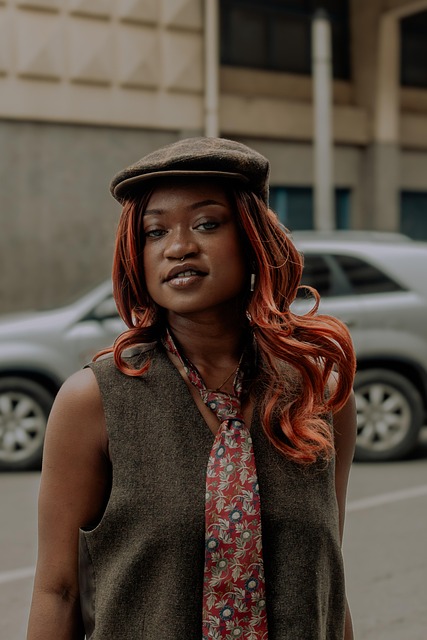
Selecting the ideal location is a pivotal step in achieving striking and impactful car photography, transforming an ordinary image into a captivating visual tale. The perfect setting can elevate a car’s aesthetic appeal, showcasing its design, features, and customization in the best possible light. This involves more than just finding an open space; it entails understanding the interplay between the vehicle, its surroundings, and the intended audience. For instance, urban streetscapes offer a dynamic backdrop for highlighting a car’s agility and modern lines, while rustic landscapes can lend a timeless allure to classic or customized vehicles.
Expert photographers often scout diverse locations, from city centers with their vibrant architecture to secluded natural areas, each offering unique advantages. Consider the time of day; golden hour lighting, just after sunrise or before sunset, casts a warm glow, adding depth and dimension to photos. Conversely, overcast days can provide even lighting, ideal for detailed close-ups. When selecting a spot for auto photography services, keep in mind that mobile car photography is gaining popularity, allowing photographers to bring their studios to clients’ desired locations, offering flexibility and convenience, especially for those with unique vehicle customizations.
The art of location selection also involves playing with scale and perspective. A grand, historic building can make a small car appear majestic, while a narrow alleyway could emphasize the compact design of a city-ready vehicle. Incorporating elements like street art, architectural marvels, or natural landmarks as part of the composition adds context and tells a story through each photograph. This strategic approach ensures that every car photography session becomes a memorable visual experience, delivering results that go beyond mere pictures—they capture the essence of the automobile in its chosen environment.
Capturing Stunning Car Images: Techniques and Tips
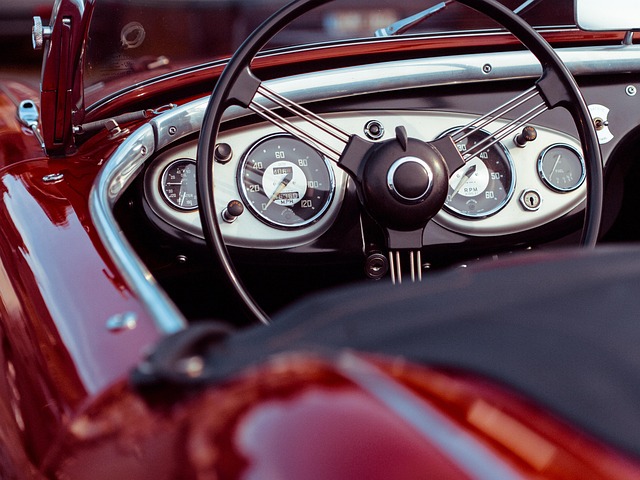
Capturing stunning car images requires a blend of artistic vision and technical proficiency. When aiming to highlight the allure and features of an automobile, whether for marketing purposes or auto insurance visual proof, it’s crucial to employ techniques that transcend mere documentation. For instance, consider framing the vehicle against striking backgrounds, playing with contrasting light and shadow, and utilizing creative angles to showcase its design elements. Professional photographers often use reflectors to manipulate light, enhancing shadows and adding depth, which can dramatically improve the final image.
In the realm of auto sales, high-quality visual content is paramount. Images should not only showcase the exterior but also provide a detailed look inside, emphasizing comfort and technology. Optimizing these photos for online platforms involves understanding pixel requirements and editing for sharp clarity. Auto detailing visual content can elevate the presentation of a vehicle, highlighting its meticulous care and quality. A well-composed photo that showcases the intricate details of a car’s interior or exterior can significantly influence potential buyers’ perceptions.
Practical tips include investing in good lighting equipment, such as softboxes and reflectors, which can transform an ordinary shot into an extraordinary one. Additionally, post-processing skills are invaluable for enhancing colors, adjusting exposure, and removing minor imperfections. Remember that select car photography is not just about capturing a moment; it’s about telling a story that resonates with the viewer, whether they’re enthusiasts or prospective buyers. Data suggests that visually appealing auto sales content can lead to quicker transactions and higher customer satisfaction.
Post-Processing: Enhancing Your Car Photography
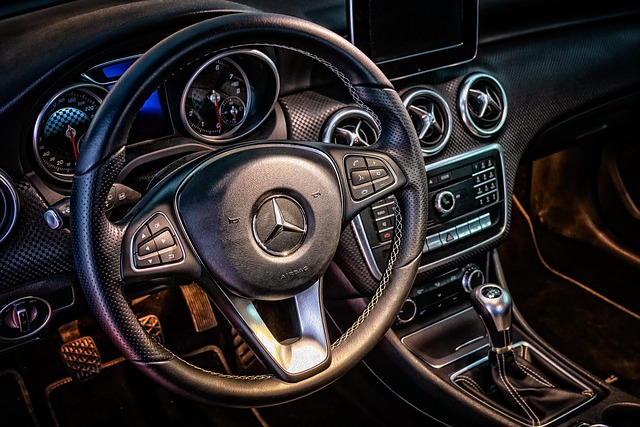
Post-processing is an essential aspect of on-location car photography, where the magic truly happens. It’s not just about enhancing images; it’s about transforming raw captures into compelling visual stories that highlight the beauty and features of automobiles. For select car photography, this process involves a delicate balance between preserving authenticity and adding artistic flair. A skilled photographer knows how to leverage tools like Adobe Lightroom and Photoshop to refine colors, sharpen details, and adjust exposure without altering the car’s original aesthetic.
Consider the role of automobile insurance visual proof, where accurate representation is critical. Post-processing allows for subtle enhancements that can make a vehicle’s features pop while maintaining their integrity. For instance, a professional might increase contrast to reveal intricate grilles or enhance highlights to showcase glossy finishes without losing realism. In car dealerships, where visual strategies are paramount, post-processed images play a pivotal role in attracting buyers. By carefully adjusting white balance and saturating specific areas, photographers can make cars appear more vibrant and appealing, creating an immersive experience for potential customers.
Moreover, auto style portraits benefit immensely from thoughtful post-processing. Photographers can emphasize the unique design elements of different car models by fine-tuning images to showcase their character. Whether it’s a sleek sports car or a classic vintage model, post-production techniques enable photographers to capture and convey the essence of each automobile. Data from industry surveys indicates that high-quality, curated images significantly influence purchasing decisions, making select car photography not just an art but a strategic necessity for auto brands.
To achieve exceptional results, photographers should invest time in understanding their equipment and post-processing software. Regular practice and experimentation with various techniques will lead to consistent, visually stunning images. Remember, the goal is to enhance the story told through the camera lens, ensuring that each car photograph captivates viewers and effectively communicates its style and appeal.
Building a Portfolio: Sharing Your Select Car Photography Mastery
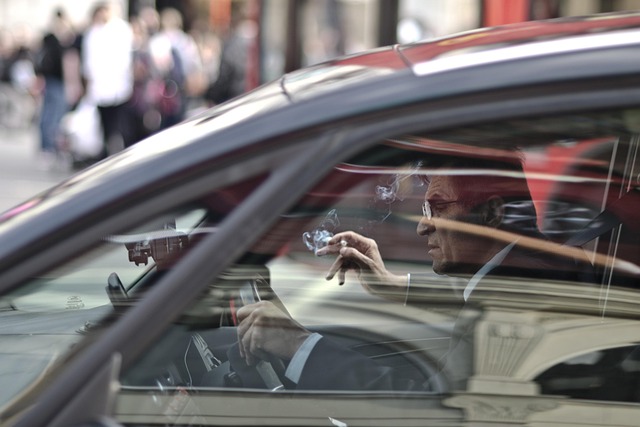
Building a portfolio of select car photography is an art that requires a keen eye for detail, technical proficiency, and a deep understanding of the automotive industry. To showcase your mastery, consider curating a collection of images that not only highlight the beauty of vehicles but also tell a story about their unique features and customization. Each photograph should be a carefully composed masterpiece, capturing the essence of the car brand and its target audience. Think of it as painting with light; you are the artist, and your canvas is the road.
When crafting your portfolio, diverse locations play a pivotal role in adding depth and context to your select car photography. Explore urban settings, showcasing sleek cars amidst towering skyscrapers or on winding coastal roads. Venture off-road with rugged vehicles conquering challenging terrains, emphasizing their power and versatility. Indoor studios can also provide endless creative possibilities, allowing for dramatic lighting and artistic compositions. For instance, a vintage car nestled in an old garage or a modern supercar illuminated against a stark white backdrop can create captivating visuals that resonate with viewers.
Car customization is another facet that can elevate your photography to the next level. Whether it’s a custom paint job, intricate detailing, or aftermarket modifications, these elements offer endless opportunities for artistic expression. Capturing the intricate details of customized cars requires a keen focus on close-ups and macro photography. Use lighting techniques to accentuate the curves, angles, and unique features, creating images that not only stop traffic but also spark conversations about automotive art. For example, showcasing a meticulously restored classic car with its original parts blended seamlessly with modern touches can be a powerful visual statement.
Photo editing is an integral part of the post-production process in select car photography. It involves refining your images to perfection, ensuring they meet industry standards and capture the essence of the cars accurately. Software tools allow for adjustments in color, contrast, and sharpness, bringing out the best in your photographs. However, it’s crucial to strike a balance; over-editing can detract from the natural beauty of the vehicles. Aim to enhance the images without losing their authenticity, ensuring they remain true to the scene captured during the car shoot locations.
By mastering the art of on-location car photography, as outlined in this comprehensive guide, you’ve gained invaluable insights into creating visually stunning automotive imagery. From pre-production planning to post-processing perfection, each step is crucial in crafting a remarkable Select Car Photography portfolio. Choose captivating locations, employ creative techniques, and refine your editing skills to elevate your work. Building a strong portfolio will not only showcase your talent but also open doors to new opportunities within the dynamic world of car photography. These strategies ensure that your Select Car Photography stands out, engaging viewers and leaving a lasting impression.