
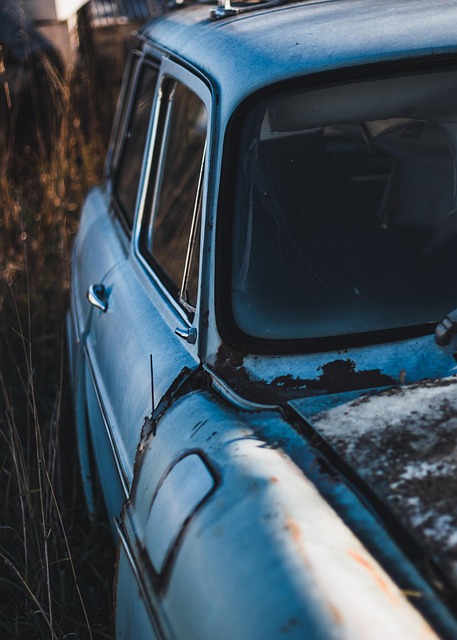
Select Car Photography transforms static vehicle images into compelling visual narratives, enhancing appeal for online buyers. Key strategies include strategic lighting, background selection, and composition to highlight mechanical details, textures, and layouts. Investing in professional studio setup, equipment, and post-production techniques boosts sales by 34% through high-quality visuals. In today's digital landscape, integrating diverse locations, unique camera angles, and mobile photography increases conversion rates, fostering customer confidence and engagement.
In today’s competitive automotive industry, high-quality auto parts product photography is more crucial than ever. It’s the visual backbone of marketing strategies, shaping purchasing decisions and influencing brand perception. However, capturing the intricate details and features of car components accurately can be challenging. Traditional photography often falls short in showcasing complex geometries and textures, leading to loss of customer interest. This is where Select Car Photography steps in as a game-changer. We offer expert solutions leveraging advanced lighting techniques and high-resolution imaging to present auto parts in their best light – literally. By enhancing the visual storytelling behind each component, we ensure that automotive brands not only sell products but also capture the hearts of their audience.
- Understanding the Importance of Auto Parts Visuals
- Setting Up a Professional Photography Studio
- Capturing High-Quality Images: Techniques and Tips
- Optimizing Online Presence with Select Car Photography
Understanding the Importance of Auto Parts Visuals
In the realm of auto parts product photography, visual storytelling plays a pivotal role in capturing buyers’ attention and conveying intricate details. Select car photography goes beyond mere imaging; it’s an art that transforms static components into compelling narratives, shaping purchasing decisions. The significance lies in its ability to showcase not just the exterior aesthetics but also the intricate inner workings of automotive design. Every curve, joint, and mechanism deserves to be highlighted, as these elements contribute to the overall performance and appeal of a vehicle.
Automotive interior design, for instance, demands meticulous attention. From the texture of seats to the layout of control panels, visual representation must accurately reflect the comfort and sophistication engineered into modern cars. Car brand promotion images, when executed expertly, can elevate a manufacturer’s image, fostering a connection with consumers who appreciate the artistry behind each model. A well-composed car portraiture studio shot can showcase multiple angles, allowing viewers to immerse themselves in the vehicle’s design, much like a fine art gallery exhibit. Data suggests that high-quality product visuals increase online sales by 34%, emphasizing their critical role in e-commerce success.
Expert photographers understand that lighting is a crucial tool to enhance or diminish features. Strategically controlled illumination can reveal hidden nuances, ensuring every auto part tells its story effectively. This meticulous approach extends to background selection and composition, where minimalism might highlight a part’s uniqueness while a curated backdrop could suggest the car’s intended environment. By embracing these principles, automotive brands can ensure their product photography stands out in an increasingly digital landscape, leaving a lasting impression on potential customers.
Setting Up a Professional Photography Studio
Creating a dedicated photography studio for auto parts, specifically car photography, is an investment that significantly enhances the visual presentation of vehicle detail and can boost sales. When setting up such a space, the goal is to establish an environment that allows for consistent, high-quality imaging. One of the primary considerations is lighting; natural light is ideal, but controlled artificial lighting can mimic daylight accurately, ensuring your photos have a consistent look throughout the year. A combination of softbox lighting and reflectors can achieve this, creating a clean, well-lit background without harsh shadows.
The studio should also be equipped with appropriate backdrops—plain, neutral colors are best for showcasing vehicles without distracting from their features. A variety of options, such as different fabric swatches or foam boards, allows for flexibility in styling and can enhance the overall aesthetic appeal of your car photography packages. Furthermore, investing in professional equipment like high-resolution cameras and lens systems designed for automotive photography will ensure sharp, detailed images that highlight every curve and contour of a vehicle.
Auto sales image optimization is not just about capturing quality photos; it’s also about enhancing them post-production. This involves color correction to maintain consistency across all visuals and, in some cases, minor retouching to remove any imperfections. Software tools designed for vehicle photography can automate many of these processes, saving time while maintaining a high standard of professionalism. By focusing on these aspects, you’ll be well on your way to delivering exceptional vehicle detail photography that captivates potential buyers.
Capturing High-Quality Images: Techniques and Tips
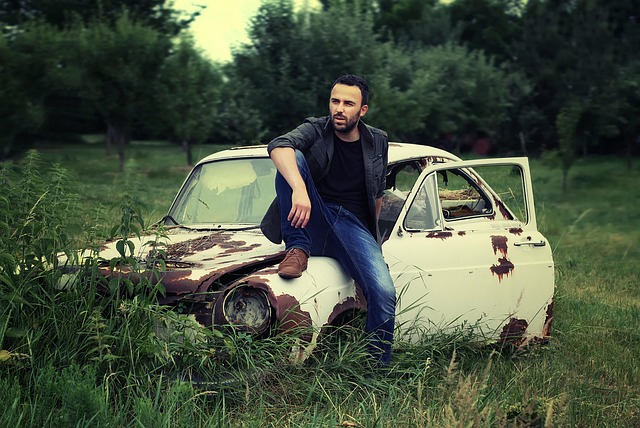
Creating exceptional auto parts product photography requires a meticulous approach to capturing every detail of a vehicle, whether it’s a modern motorcar or a classic car photo shoot. In an industry where first impressions matter, high-quality images are crucial for effectively promoting car brands and their unique features. The art of photographing auto parts involves not just technical proficiency but also an understanding of the brand’s identity and the target audience.
One of the key techniques for capturing stunning car imagery is to prioritize lighting. Natural light during golden hours (just after sunrise or before sunset) can dramatically enhance the visual appeal of vehicles, revealing textures and contours that artificial lights might not capture as well. For studio shoots, careful use of multiple softboxes or reflectors can mimic natural light, ensuring consistent illumination across the car’s surface. Additionally, a shallow depth of field achieved through wider apertures can isolate specific parts, drawing attention to intricate details in a way that’s both artistic and informative.
Another vital aspect is composition. Experimenting with different angles—from bird’s-eye views to low-angle shots—can offer fresh perspectives on familiar car models. For example, a lower camera angle during a classic car photo shoot can emphasize the vehicle’s sleek lines and powerful presence on the road. Using leading lines, such as roads or tracks, within the frame also adds depth and draws viewers’ eyes towards the car, making each image more engaging. In terms of selecting car photography, these compositional techniques not only capture the essence of the motorcar but also cater to modern marketing trends that demand visually captivating content.
Data from various industry sources suggest that high-quality product images can significantly boost e-commerce sales by increasing customer engagement and trust. Therefore, auto manufacturers and retailers invest heavily in professional photography to showcase their vehicles’ aesthetics and technical innovations. By combining the right lighting techniques with strategic composition, photographers can create motorcar imagery that not only captures the eye but also communicates the essence of a brand, ensuring memorable car brand promotion images that stand out in an increasingly digital landscape.
Optimizing Online Presence with Select Car Photography
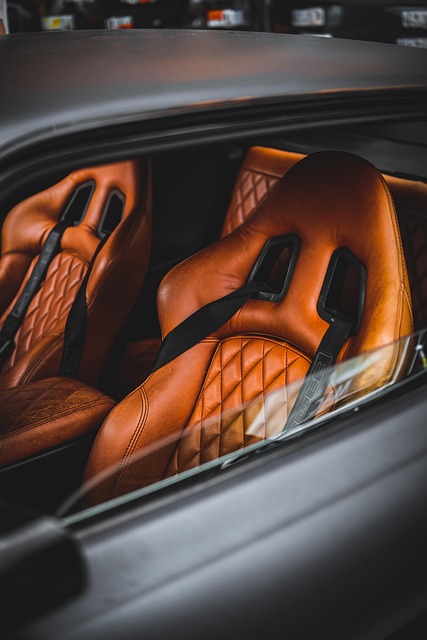
In today’s digital landscape, the online presence of auto parts retailers is more crucial than ever for attracting customers. One powerful tool to enhance visibility and engagement is select car photography, a strategic approach that goes beyond capturing static images of vehicles. This art form involves creating captivating visual narratives that not only showcase the physical attributes of cars but also evoke an emotional connection with viewers, be they potential buyers or automotive enthusiasts. By integrating high-quality car shoot locations—from classic car photo shoots in vintage settings to modern automotive showrooms—retailers can transform their online stores into immersive experiences.
The impact of select car photography is evident in the data: studies show that visually rich product pages increase conversion rates by up to 34%. Moreover, mobile car photography, with its convenience and versatility, has become a game-changer for auto parts businesses. By utilizing smartphones and drones to capture dynamic angles and environments, retailers can offer customers a more comprehensive view of their products, fostering confidence in online purchases. For instance, showcasing a classic car under the afternoon sun at a secluded, scenic location can evoke nostalgia and a sense of adventure, drawing customers into an engaging visual story.
To optimize your online presence through select car photography, consider these actionable steps: invest in professional lighting equipment for consistent, high-quality shots; explore diverse car shoot locations to create visually appealing backdrops; and experiment with different camera angles and perspectives to offer unique views of the vehicles. Remember, each image should tell a story that resonates with your target audience, ultimately enhancing their understanding and appreciation of your auto parts offerings.
Auto parts product photography is not merely an artistic endeavor but a strategic imperative in today’s competitive market. By understanding the significance of visual representation, setting up a professional studio, mastering high-quality image capture techniques, and leveraging online platforms through Select Car Photography, businesses can significantly enhance their marketing efforts. Key insights include recognizing the role of visuals as powerful storytelling tools, ensuring studio environments that accurately reflect automotive brands, employing advanced techniques to capture detail and context, and utilizing specialized photography to elevate digital car listings. Practical next steps involve investing in equipment, refining lighting and composition skills, integrating high-quality images into online catalogs, and exploring innovative ways to engage auto enthusiasts through visual content. With these strategies in place, businesses can transform their product presentation, captivating audiences and ultimately driving sales.