
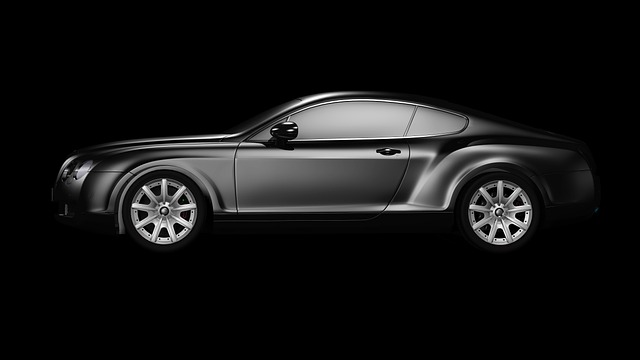
Select Car Photography seamlessly blends automotive expertise and artistic vision to capture compelling vehicle images. Key strategies include:
– Choosing vehicles: Select distinctive models for unique aesthetics and features, leveraging vintage cars or contemporary ads.
– Angle & lighting: Experiment with angles (low, high) and lighting techniques (side, backlighting) to enhance power and curves.
– Lighting techniques: Use "golden hours" for warmth, explore light angles from direct to diffused for depth, and employ reflectors for shadows.
– Studio vs. action: Studio settings allow detailed composition, while action sequences freeze motion with high-speed sync flash.
– Interior focus: Showcase car interiors by leveraging natural lighting, close-ups of details, and authentic locations.
– Post-processing: Enhance images through color adjustments, local contrast, vintage filters for a balanced, authentic look.
The art of car photography has evolved into a pivotal aspect of automotive marketing, where striking feature shots can make or break a brand’s perception. In an increasingly competitive market, capturing captivating images that highlight a vehicle’s unique attributes is no longer just desirable—it’s essential. However, finding the right approach to showcase intricate details and design elements can be challenging. This article delves into the intricacies of selecting the perfect car photography techniques, offering valuable insights for professionals seeking to elevate their visual storytelling. Get ready to explore strategies that will transform your automotive imagery, ensuring each shot captures the essence of the machine.
- Understanding Car Features for Striking Photos
- Choosing the Right Angles for Impactful Shots
- Lighting Techniques to Enhance Car Details
- Select Car Photography: Capturing Exterior Elegance
- Interior Focus: Shooting Car Amenities
- Post-Processing for Stunning Visuals
Understanding Car Features for Striking Photos
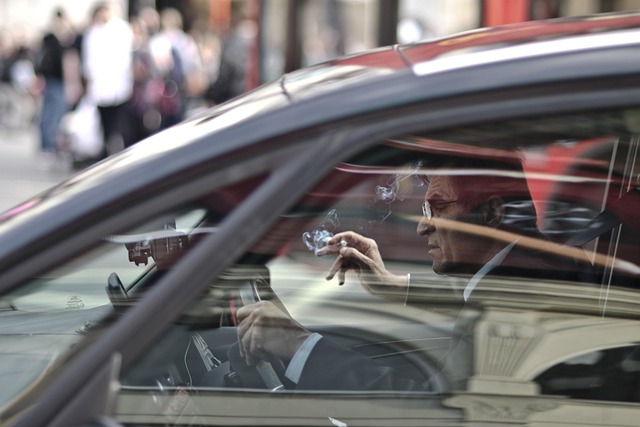
Capturing striking car feature shots requires a deep understanding of both the vehicle itself and the art of photography. To achieve impactful images, photographers must select cars that not only possess distinctive aesthetics but also offer unique features worth highlighting. Vintage car snapshot art, for instance, often celebrates the intricate details and bold lines of bygone eras, allowing for creative exploration through lens and composition. In contemporary car advertising visuals, the focus shifts to showcasing innovative technology and sleek design elements, demanding a keen eye for capturing both movement and precision.
One effective strategy is to experiment with various angles and perspectives, such as shooting from below or above, which can dramatically enhance the perceived size and power of a vehicle. Lighting plays a pivotal role too; dramatic side lighting can accentuate curves and highlights, while backlighting can create a sense of motion and depth. Automobile beauty shots, when executed well, not only capture the physical allure of a car but also convey its emotional appeal, making viewers feel the thrill and prestige associated with ownership.
Practical insights include investing time in pre-visualizing the shot, considering how light interacts with different surfaces during different times of day, and experimenting with various camera settings to achieve the desired effect. Remember that select car photography is as much an art form as it is a technical skill; it demands patience, creativity, and a deep appreciation for both the machine and its visual narrative. By embracing these principles, photographers can elevate their automobile beauty shots to works of art, captivating audiences and effectively communicating the allure of the vehicle.
Choosing the Right Angles for Impactful Shots
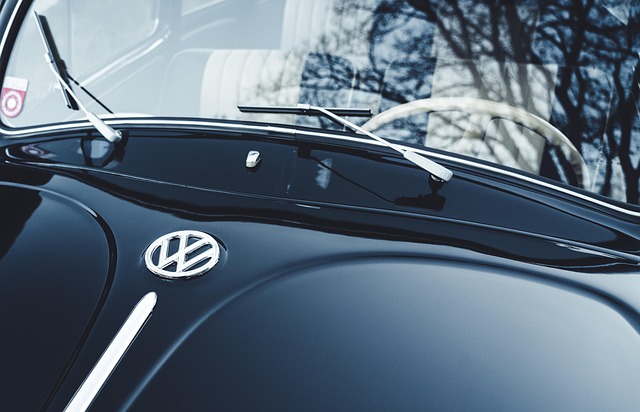
Capturing striking car feature shots requires a keen eye for detail and a deep understanding of composition—particularly when it comes to angle selection. The right angle can transform an ordinary photo into a captivating image that highlights a vehicle’s unique attributes. In the realm of auto photography, where every curve and line tells a story, selecting the perfect vantage point is both art and science.
For classic car photo shoots or custom car presentation photos, choosing the right angles begins with recognizing how light interacts with the subject at different heights and distances. A low angle, for instance, can emphasize a car’s imposing presence, drawing the viewer’s eye towards its powerful lines and robust silhouette. Conversely, a high angle shot allows for a different perspective, showcasing the vehicle’s elegant curves and sweeping design from above. Professional photographers often employ these techniques to create dynamic images that captivate audiences.
Additionally, considering the environment and context enhances the impact of car feature shots. Shooting against a stark white backdrop can isolate the car, allowing its aesthetics to take center stage. Alternatively, integrating the vehicle into its surroundings—be it an urban setting or a scenic landscape—can add depth and narrative to the photo. Data from industry surveys reveals that auto photography services prioritizing creative angles and context-aware composition consistently receive higher praise for their visuals.
To ensure impactful shots, photographers should practice and experiment with various angles during custom car presentation sessions. Using a tripod for stability enables more precise adjustments and encourages careful consideration of each shot’s composition. Remember, the goal is to Select Car Photography that not only captures the physical attributes of the vehicle but also evokes an emotional response from viewers. Whether highlighting the sleek lines of a modern sports car or the intricate details of a vintage classic, the right angles can make all the difference in creating memorable and effective car feature shots.
Lighting Techniques to Enhance Car Details
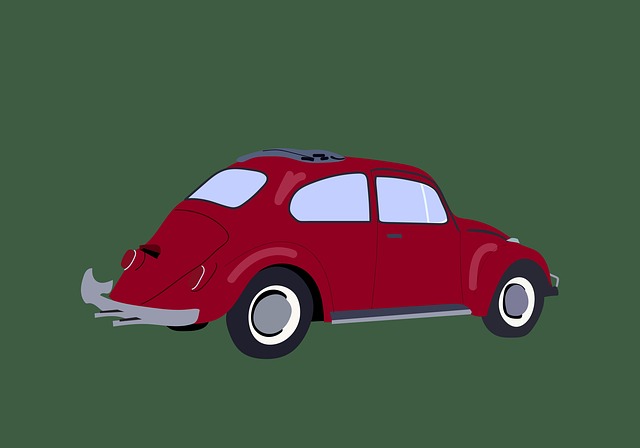
Capturing striking car feature shots involves more than just pointing your camera—it demands a deep understanding of lighting techniques to enhance every curve, angle, and detail of these beautiful machines. In modern car picture taking, proper illumination can turn an ordinary snapshot into a breathtaking masterpiece, whether you’re photographing a sleek sportscar in action or crafting a fine art car portraiture studio shot.
One of the most effective strategies is to select natural light judiciously. Early morning and late afternoon sunlight, known as the “golden hours,” offers a warm, soft glow that beautifully highlights car surfaces, creating an ethereal ambiance often seen in prestigious car magazines. Experimenting with different light angles—from direct sunlight to diffused light filtering through trees or buildings—allows you to sculpt the car’s silhouette, draw attention to specific features, and add dramatic depth. For instance, capturing a low-angle shot against a bright sky can make a compact car appear larger and more menacing.
In sportscar action sequences, utilizing high-speed sync flash alongside natural light is a game-changer. This technique allows you to freeze the motion of the vehicle while still capturing the dramatic ambient light, creating dynamic, eye-catching images that capture both speed and elegance. Furthermore, experimenting with reflectors can bounce light onto challenging areas, adding definition to shadows and bringing out intricate details like grille work or wheel arches. Remember, in car portraiture studio settings, artificial lighting plays an equally crucial role. By combining various light sources—key lights, fill lights, rim lights—you can sculpt the car as if it were a subject in a painting, drawing attention to its contours and creating a captivating atmosphere.
Select Car Photography: Capturing Exterior Elegance
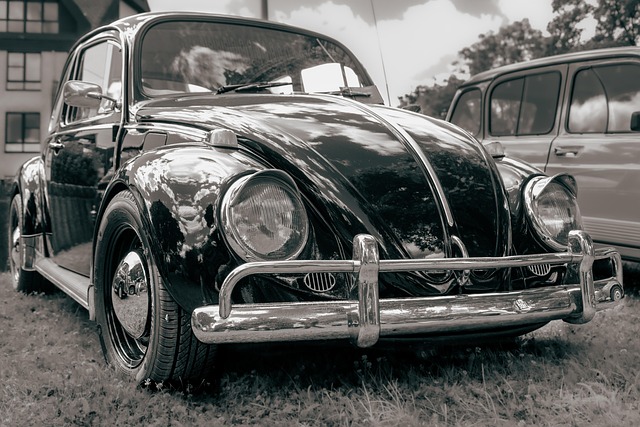
Striking car feature shots begin with a deep understanding of select car photography. Capturing the exterior elegance of a vehicle involves more than just pointing a camera; it’s an art that combines technical expertise with creative vision. Professional photographers must consider lighting, angles, and backgrounds to highlight the car’s design and features in the most compelling way possible. For instance, using side or rear three-quarter views can emphasize the fluidity of lines and curves, while low-angle shots from above or below can lend a sense of power and dynamism.
A car portraiture studio offers controlled environments conducive to showcasing cars’ aesthetic appeal. Here, photographers have the liberty to manipulate lighting, employ specialized equipment, and curate backgrounds to create stunning images. Studios allow for the capture of high-quality, detailed shots that can be used in automotive visual marketing materials, such as advertisements, brochures, and websites. This strategic use of select car photography not only enhances brand image but also communicates the vehicle’s essence to potential buyers.
For those looking to elevate their game, incorporating sportscar action sequences into the portfolio offers a unique perspective. Capturing cars in motion, whether during a test drive or on a race track, allows photographers to showcase speed, agility, and performance—all essential aspects of automotive allure. These dynamic shots require swift reflexes, precise timing, and a deep understanding of camera settings to freeze motion or create dramatic blur effects. Data from industry surveys shows that engaging visuals like sportscar action sequences can significantly boost viewer engagement and interest in automotive brands.
Ultimately, select car photography is not merely about capturing an image; it’s about telling a story. Whether through studio portraits or dynamic action shots, each photograph should convey the car’s personality and appeal to its target audience. By mastering this art, photographers can contribute significantly to the marketing efforts of automotive brands, ensuring their vehicles are presented in the best possible light.
Interior Focus: Shooting Car Amenities
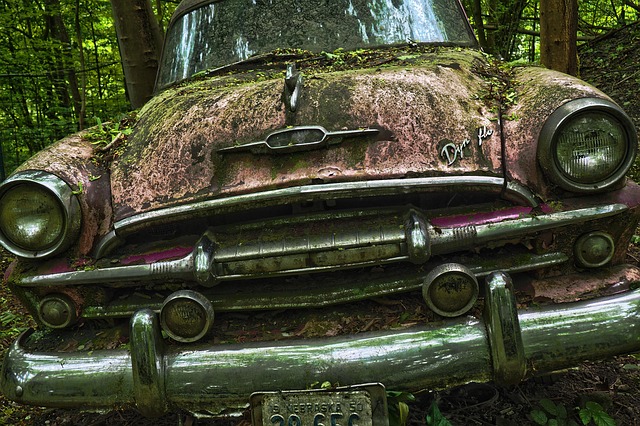
When crafting striking car feature shots, focusing on the interior and its amenities can elevate your vehicle photography to a whole new level. The interior of a car is where brands differentiate themselves—it’s a space designed to enhance driving experience, comfort, and technology integration. As such, detailed shots of in-car features are crucial for conveying these aspects effectively.
To achieve compelling interior car photography, consider the environment as much as the subject. Select Car Photography naturally leverages ambient lighting whenever possible; this not only avoids harsh shadows but also creates a sense of authenticity. Think about shooting during soft morning or late afternoon light—the golden hours—for warm, flattering illumination. In terms of locations, choose studios with high ceilings and large windows for ample natural light, or opt for exterior car shows or scenic drives for an authentic feel.
Focus on details when capturing vehicle detail photography. Get up close and personal with the dashboard, seats, infotainment systems, and other gadgets. Use a macro lens if available to highlight intricate designs, button textures, and material finishes. For instance, a close-up of a high-end car’s leather upholstery can showcase the precision of the stitching or a unique pattern. Don’t forget to include car accessory product shots—from advanced sound systems to cutting-edge navigation units—as these accessories are often key selling points.
Lastly, post-processing plays a significant role in enhancing your images. Adjust color balance and exposure for accurate representation; avoid over-saturation or dramatic effects that might distort the true look of the interior. Use editing tools to draw attention to specific features without losing natural aesthetics. Remember, the goal is to create pictures that not only capture the eye but also convey the essence of the car’s interior amenity, leaving a lasting impression on viewers.
Post-Processing for Stunning Visuals
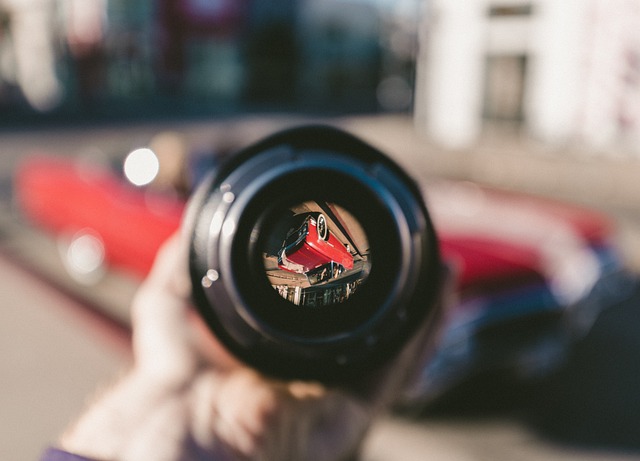
In the realm of car photography, post-processing plays a pivotal role in transforming raw images into stunning visual masterpieces. It’s more than just enhancing pictures; it’s an art form that allows photographers to tell a story and evoke emotion through their lens. When capturing cars, whether in a modern auto showroom or amidst vintage vehicle snapshots, the right post-processing techniques can elevate the visuals significantly. For instance, consider a family posing with their new car—a moment filled with joy and anticipation—can be enhanced through selective color adjustments to emphasize the excitement while maintaining natural skin tones.
For auto showroom photography, where vehicles are presented in their best light, post-processing should aim to preserve detail while adding a touch of sophistication. Adjustments like local contrast enhancement can draw attention to specific features without altering the overall integrity of the image. This is particularly crucial when showcasing intricate car details, such as the intricate grilles or sweeping lines of a contemporary design. In the case of vintage car snapshot art, post-processing might involve vintage filters and texture overlays to capture the essence of bygone eras, creating timeless pieces that evoke nostalgia.
The key to successful post-processing lies in balance and subtlety. Over-editing can lead to an artificial look, detracting from the authentic beauty of the subject. As a professional photographer, it’s essential to strike a natural pose, allowing the car or scene to speak for itself while subtly enhancing its aesthetic appeal. For example, a slight warm tone adjustment on a family car memory shot during sunrise can create a dreamy ambiance without losing the raw charm of the moment. By understanding color theory and applying it thoughtfully, photographers can achieve remarkable results, ensuring their images stand out in any collection—whether showcasing the latest models in a showroom or preserving precious family memories.
By mastering the techniques outlined in this article, photographers can elevate their car feature shots to remarkable heights. From understanding key car features to selecting the perfect angles, lighting, and post-processing, each step contributes to creating stunning visual narratives. For aspiring or established photographers alike, applying these strategies in Select Car Photography will result in impactful images that capture both the beauty of automotive design and the intricate details within. This comprehensive guide serves as a valuable resource, empowering readers to transform their car photography game and deliver exceptional results.