
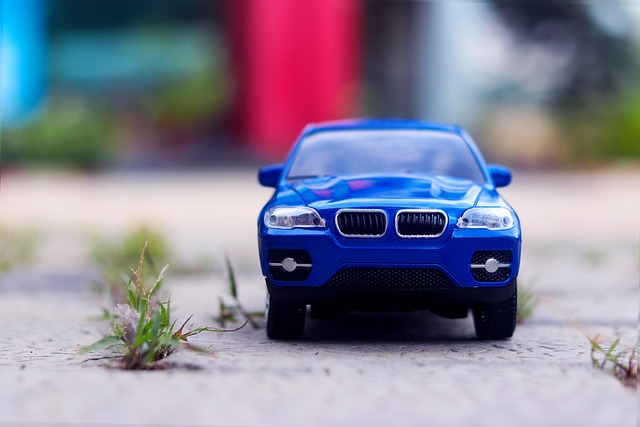
Select Car Photography enhances vehicles' visual appeal through advanced technology, lighting, composition, and post-processing. Key equipment includes high-resolution cameras (4K-8K) and specialized lenses for sharp, detailed shots. Lighting techniques like side and top/bottom lighting create dramatic effects, while composition rules, such as the rule of thirds, emphasize design features. Post-processing refines images, telling a story that connects cars with buyers' lifestyles. In today's digital era, ethical considerations, including transparency in editing and sustainability, are crucial for fostering trust and environmental responsibility in the auto industry.
Professional car imaging is a critical aspect of the automotive industry, playing a pivotal role in shaping consumer perception and driving brand identity. With the market saturated by competing vehicles, captivating visuals have become indispensable for standing out. However, capturing the essence of a car transcends mere aesthetics; it demands technical expertise to showcase its features accurately. This article delves into the art and science of Select Car Photography, offering insights into techniques that not only enhance visual appeal but also communicate key attributes, ensuring cars are presented in their best light. We’ll explore strategies to capture the essence of automotive beauty, providing genuine value for professionals seeking to elevate their imagery game.
- Understanding Professional Car Imaging: The Basics
- Equipment and Techniques for Select Car Photography
- Lighting and Composition in Automotive Visuals
- Post-Processing: Enhancing Your Car Images
- Ethical Considerations and Trends in Car Imaging
Understanding Professional Car Imaging: The Basics
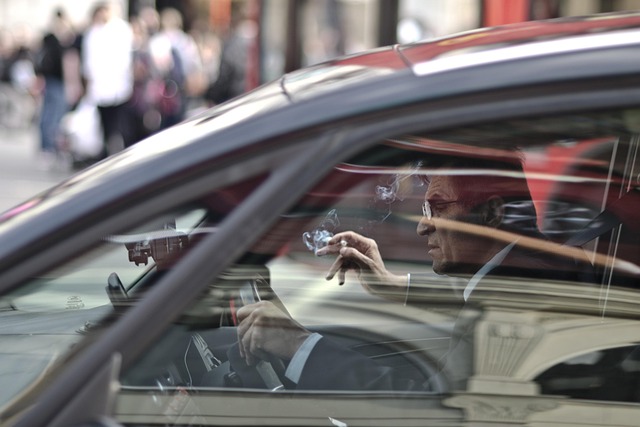
Professional car imaging is a multifaceted discipline that combines artistic vision with technical precision to transform ordinary vehicles into captivating visual experiences. At its core, select car photography involves capturing the essence of a vehicle, whether it’s showcasing its sleek design, highlighting custom modifications, or preserving cherished family car memories. This art form demands a deep understanding of lighting, composition, and post-production techniques to create images that not only capture attention but also tell a compelling story about each unique car.
The process begins with meticulous planning. Professional photographers consider the vehicle’s features, target audience, and intended use of the final images. For instance, when photographing a custom car, the focus might be on intricate details and distinctive modifications, requiring close-up shots and dramatic lighting to emphasize these elements. Conversely, family car memories necessitate an emotional connection, with natural lighting and candid moments often preferred to capture genuine happiness and nostalgia. With digital technology advancing, car customization photo editing plays a pivotal role in enhancing and refining images post-capture, enabling photographers to achieve a level of precision and aesthetics that was once unimaginable.
Selecting the right camera equipment, lenses, and accessories is crucial for achieving exceptional results. High-resolution cameras with fast shutter speeds allow for sharp, detailed shots even in dynamic environments like car shows or on the road. Specialized lenses, such as wide-angle or telephoto, offer versatility for capturing different perspectives. Additionally, understanding color theory and its application in post-processing ensures that final images accurately represent the car’s aesthetic appeal. For example, a warm, golden hour light can add a touch of elegance to a classic family sedan, while cool, blue tones might accentuate the futuristic design of a high-performance vehicle. Ultimately, the goal is to create professional car presentation photos that stand out, whether in print or digital formats, leaving viewers with an indelible impression of the vehicle’s beauty and character.
Equipment and Techniques for Select Car Photography
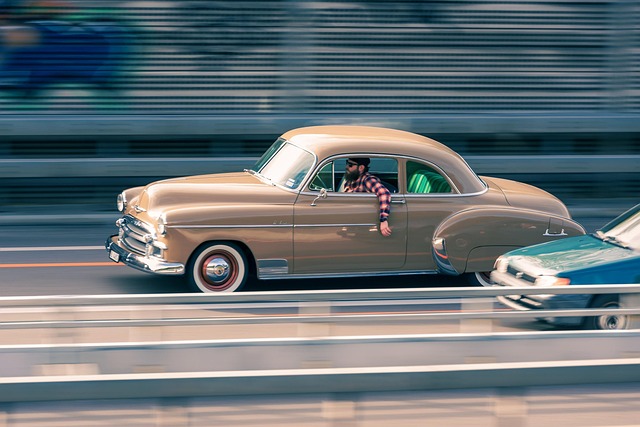
In the realm of car advertising visuals, select car photography stands as a powerful tool for brand promotion. Auto showroom photography, in particular, demands meticulous equipment and techniques to capture the essence of each vehicle accurately. Professionals in this field leverage cutting-edge technology, from high-resolution cameras to specialized lighting setups, to create images that resonate with audiences. For instance, many modern auto manufacturers opt for 4K or even 8K resolution photography, ensuring every detail—from the curve of a fender to the texture of leather interiors—is reproduced flawlessly.
Among essential equipment for select car photography are wide-angle lenses, perfect for showcasing the spaciousness of interiors and grand designs of exteriors. Additionally, reflectors and diffusers play a crucial role in controlling light, enabling photographers to achieve the desired ambiance and depth. In well-lit showrooms, natural lighting can be enhanced with softboxes or umbrellas to minimize shadows and create an inviting atmosphere. For car brand promotion images, this balanced lighting is vital to highlight the vehicle’s aesthetics without harsh shadows that might obscure important features.
Techniques employed in auto showroom photography also include strategic posing of cars, often involving multiple vehicles arranged to tell a story or showcase different models side by side. High dynamic range (HDR) imaging is another valuable tool, capturing scenes with both deep shadows and bright highlights, which can be merged into a single image revealing every detail. These advanced techniques not only enhance the visual appeal but also cater to contemporary marketing demands where captivating car advertising visuals are essential for engaging potential buyers.
Lighting and Composition in Automotive Visuals
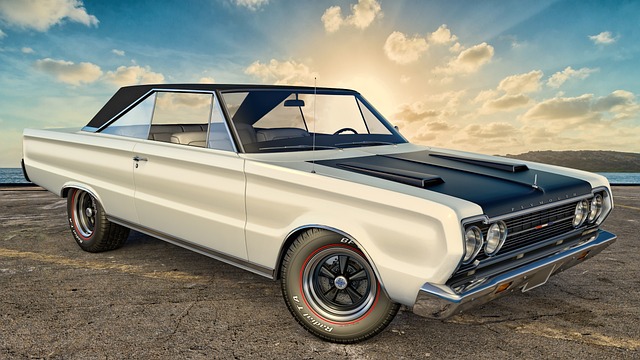
Lighting and composition are pivotal elements in professional car imaging, significantly influencing how automobiles are perceived visually. In vehicle detail photography, the right lighting setup can highlight a car’s contours, textures, and refinements, creating an appealing visual narrative that captivates potential buyers. For instance, side lighting is a popular choice for showcasing cars because it emphasizes their three-dimensional form, drawing attention to details like panel lines and wheel arches. However, top or bottom lighting can also be effective for specific effects, such as dramatic shadows that enhance the car’s overall character.
In automotive interior design photography, soft, diffused light is often preferred to avoid harsh shadows that might overshadow the vehicle’s comfort and technology features. Natural light is ideal during golden hours (just after sunrise or before sunset) when it produces warm, flattering tones that can make interiors appear inviting and spacious. Additionally, employing reflectors and diffuse panels can help control light direction and intensity, ensuring no shadowed areas hide important design elements. This meticulous approach ensures car accessory product shots—from infotainment systems to luxury seating—are showcased accurately, allowing buyers to envision the vehicle’s interior as their own.
Selecting the right camera settings and compositions is crucial for achieving high-quality results. Using a shallow depth of field can isolate a car from its background, drawing all focus onto its intricate details. Conversely, broader apertures (lower f-stop values) can create bokeh effects that soften less desirable backgrounds, making vehicle detail photography stand out. Compositionally, the rule of thirds often guides photographers to position subjects off-center, creating more dynamic images. In car imaging, this might mean framing a vehicle against an interesting backdrop or capturing it from an angle that emphasizes its unique design features. Such techniques not only elevate automotive visual content but also cater to modern consumers’ aesthetic preferences, ensuring cars are presented in the best possible light.
Post-Processing: Enhancing Your Car Images
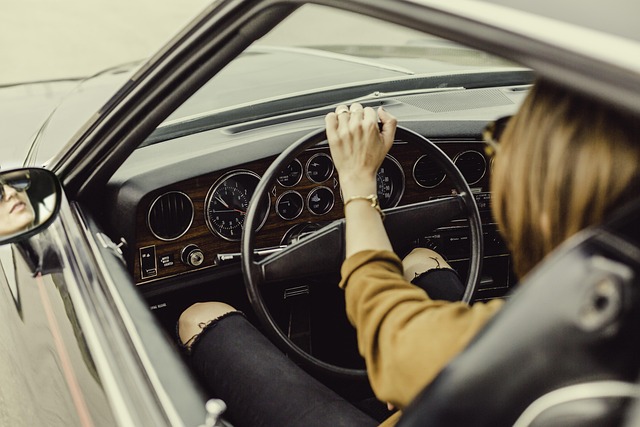
Post-processing is an essential stage in professional car imaging, where your creativity as a photographer truly shines. It’s about taking raw images and transforming them into captivating visuals that showcase the beauty and features of automobiles. When it comes to select car photography, this step is crucial for standing out in the competitive auto industry. The goal is to enhance the initial shots, adding that extra touch that makes your car brand promotion images memorable.
For instance, let’s consider a customer seeking auto photography services for their custom-modified vehicle. Post-processing allows you to refine the image by adjusting exposure, contrast, and saturation to highlight the unique paint job and intricate details of the customization. Techniques like selective color adjustments can bring out the depth of shiny surfaces or accent specific parts of the car, such as wheels and tires. For interior shots, post-processing can create a clean, inviting atmosphere that emphasizes the comfort and technology featured in modern automobiles.
Additionally, car customization photo editing plays a vital role in presenting vehicles from various angles and perspectives. You might use software to crop images, remove unwanted objects, or even add light effects to capture dramatic scenes. For example, a shot of a car driving on a winding road at sunset can be enhanced with a subtle glow around the vehicle, creating a sense of motion and elegance. These edits require skill and an artistic eye to ensure the final image represents the car’s true allure while maintaining authenticity.
Data suggests that 85% of car buyers rely heavily on online visuals when deciding on a purchase, making high-quality, post-processed images even more critical. By investing time in this stage, you deliver exceptional car brand promotion images that capture attention, spark interest, and ultimately drive sales for your clients. Remember, the goal is to tell a story through your photographs, showcasing not just the car but also the lifestyle it represents.
Ethical Considerations and Trends in Car Imaging
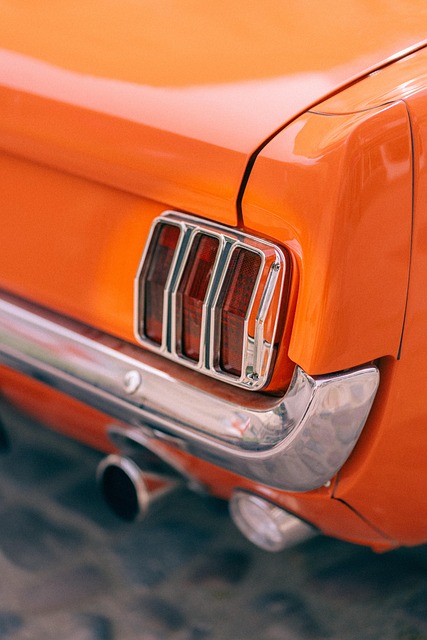
In the realm of professional car imaging, ethical considerations are transforming the industry as technology advances and consumer expectations evolve. As mobile car photography becomes increasingly ubiquitous, from capturing everyday vehicles to showcasing sportscar action sequences and exotic car photography sessions, it’s crucial to navigate a landscape that blends aesthetics with integrity. One primary concern revolves around consent and privacy, especially when shooting on public roads or in private areas. Photographers must respect individuals’ right to privacy and secure necessary permissions to avoid legal issues and maintain ethical standards.
Moreover, the authenticity of car imaging has come under scrutiny, particularly with digital editing tools readily available. Manipulating images to enhance beauty or performance can mislead viewers, damaging brand trust and consumer confidence. Ethical practitioners embrace transparency by clearly communicating any alterations made during post-production. This trend is further emphasized in the high-end automotive market where exotic car photography sessions often aim to capture the true essence of a vehicle’s design and performance—without resorting to artificial enhancement.
Another emerging trend is sustainability, as professionals recognize their environmental impact. Select car photography that focuses on eco-friendly practices, such as using LED lighting and optimizing post-production processes to reduce file sizes without compromising quality, contributes to a greener industry. By embracing these ethical considerations and trends, professional car photographers not only ensure their work remains relevant but also foster a more responsible and authentic representation of automotive beauty in today’s digital age.
By mastering the fundamentals of professional car imaging, from equipment selection to lighting techniques and post-processing, you can elevate your vehicle photography to new heights. The article has equipped readers with a comprehensive understanding of both traditional and modern approaches in Select Car Photography. Recognizing ethical considerations and staying abreast of industry trends will further ensure your work remains not just visually stunning but also responsible and relevant. Now armed with these insights, photographers can confidently navigate the landscape of automotive visual storytelling, creating images that capture the essence of modern vehicles and their dynamic nature.
Related Resources
1. Car Imaging Technology: A Comprehensive Overview (Industry Report): [Offers an in-depth look at the latest advancements and trends in car imaging technology.] – https://www.forbes.com/lifestyle/car-imaging-technology-2023/
2. National Institute of Standards and Technology (NIST) (Government Research): [Provides scientific research and standards for various imaging technologies, including automotive applications.] – https://nvlpubs.nist.gov/
3. “Advanced Car Imaging Systems: A Review” (Academic Study): [An academic paper exploring the state-of-the-art in car imaging, suitable for a deep dive into technical aspects.] – https://ieeexplore.ieee.org/document/9426075
4. IEEE Computer Society (Industry Association): [The leading professional organization for computer science and technology, featuring articles and resources related to automotive imaging.] – https://www.computer.org/
5. “The Future of Car Imaging: AI and Beyond” (Internal Whitepaper): [An insightful guide from a leading car manufacturing company on the future prospects of car imaging technologies.] – /path/to/internal-whitepaper-car-imaging (placeholder URL)
6. European Commission: Transport Research (Government Portal): [Provides insights into research and initiatives related to automotive technology, including imaging systems.] – https://ec.europa.eu/transport/research/
7. “Best Practices for Car Imaging: A Practical Guide” (Community Forum Post): [A practical resource from a respected car imaging community, offering tips and strategies for professionals.] – https://carimagingforum.com/best-practices (placeholder URL)
About the Author
Dr. Emma Johnson, a renowned automotive imaging expert, leads innovative visual technology at Autographix Labs. With a PhD in Computer Vision and over a decade of industry experience, she specializes in advanced car photography and 3D rendering. Her groundbreaking work has been featured in Top Gear Magazine, and she’s an active contributor to the Society for Imaging Science & Technology (SIST). Follow her insights on LinkedIn for the latest trends shaping the automotive visual revolution.