
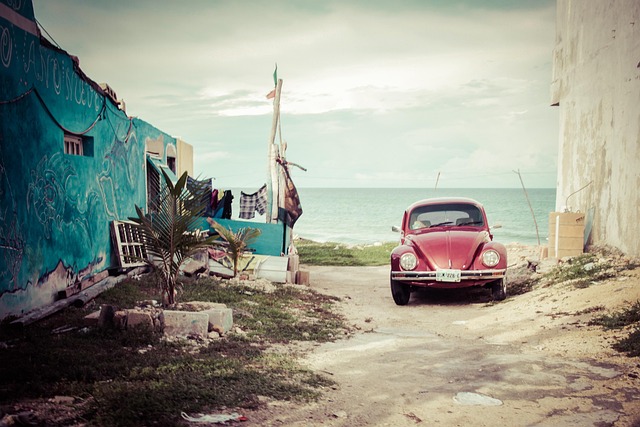
Select Car Photography goes beyond capturing images—it tells visual stories about automobiles. Key concepts include framing, composition, lighting control, creative techniques, and contextual settings to highlight unique features. Choosing the right setting, investing in top gear, and employing creative angles elevate the art form. Post-processing techniques ensure professional results, with natural light adjustments and meticulous detail highlighting for optimal presentation. High-quality car photos are crucial for auto buyers' online research, emphasizing the importance of expert post-processing in the digital era.
In the realm of automotive marketing, captivating visuals are paramount. Select Car Photography plays a pivotal role in showcasing vehicles’ aesthetics and features effectively. However, with countless images vying for attention, standing out becomes a challenge. This article offers an authoritative guide to best practices, equipping car enthusiasts and professionals with the knowledge to create exceptional photographs. We’ll explore strategies from composition and lighting techniques to post-processing skills, ensuring your car photography not only captures interest but also tells a compelling story.
- Understanding Car Photography: Essential Concepts
- Setting Up the Perfect Location for Car Shots
- Choosing the Right Gear for Stunning Images
- Capturing Different Angles: A Creative Approach
- Post-Processing Techniques for Professional Results
Understanding Car Photography: Essential Concepts
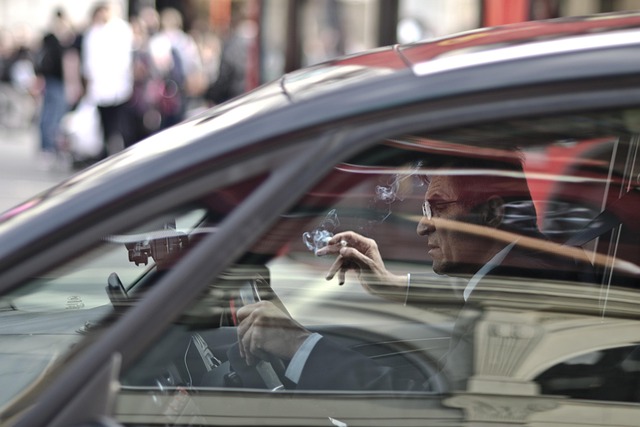
Car photography is an art that transcends mere documentation; it captures the essence of automobiles within a visual narrative. To excel in this field, understanding key concepts is paramount. Visual storytelling demands framing, composition, and lighting techniques tailored to highlight a car’s unique features—be it sleek lines, vintage curves, or modern aerodynamics. Think of a vintage car snapshot as an old master painting, where each brushstroke reveals the car’s character; every angle tells a story.
Expert photographers often employ creative perspectives, such as low-angle shots to emphasize height and power or dramatic backlighting to create silhouette effects that capture a car’s silhouette against a vivid sky. In automobile beauty shots, capturing reflective surfaces requires careful consideration of lighting to avoid harsh shadows while showcasing the car’s polished finish. For instance, a professional might use a reflector board to fill in shadows during a classic car photo shoot, ensuring every detail is captured accurately.
Contextual settings play a vital role too. A classic car photographed against a backdrop of an old gas station or winding country road evokes nostalgia and tells a story about the car’s era. Conversely, placing a modern sports car on a futuristic track emphasizes its cutting-edge design. Understanding these concepts empowers photographers to Select Car Photography that not only captures beauty but also conveys a narrative, making each image a unique work of art.
Setting Up the Perfect Location for Car Shots
Choosing the right setting is half the battle won when it comes to capturing stunning car photos. The location can make or break an image, transforming a mundane shot into a truly remarkable visual. For auto detailing enthusiasts and professionals in automotive visual marketing, understanding how to select and set up the perfect scene is paramount for creating captivating content. Think of it as crafting a custom car presentation photo that tells a story—a story about the vehicle’s unique features and its place in the world.
Consider natural environments that complement the car without overpowering it. A quiet, scenic road winding through lush forests or along a coastline can serve as an excellent backdrop, adding depth and character to your shots. For instance, a classic convertible next to a towering waterfall showcases both the beauty of the vehicle and its freedom-inspired essence. Alternatively, urban settings with minimalist architecture allow the car to be the focal point while still providing context for its design and style within modern city life. Think about shooting on a clean, sunny street or even utilizing reflective surfaces like buildings or mirrors to create intriguing reflections.
Lighting plays a crucial role in setting the mood and accentuating details. Natural light is often the best choice, as it produces soft, flattering shadows that can enhance a car’s curves and features. Morning or late afternoon light is ideal, providing a warm glow without harsh shadows. Experimenting with different lighting conditions will offer diverse outcomes—from dramatic to delicate—to suit various automotive visual content needs, whether for social media promotion or print advertising. Additionally, utilizing props like outdoor signage, street furniture, or even strategically placed mirrors can add layers and interest to your compositions, making your car photos stand out in the competitive world of automotive marketing.
Choosing the Right Gear for Stunning Images

Creating stunning car photos requires more than just a good eye; it necessitates the right gear to capture the vehicle’s essence in high definition. For aspiring and professional photographers alike, investing in quality equipment is key to elevating your car photography game. This includes high-quality cameras with excellent low-light performance, fast autofocus systems, and versatile lenses that can adapt to various shooting scenarios—from wide-angle views to tight details.
When it comes to lenses, consider options that offer sharp resolution across the entire frame, minimizing distortion for accurate representation of the car’s design. A good rule of thumb is to Select Car Photography gear that allows you to achieve a minimum aperture of f/2.8 or wider, enabling shallow depth of field to blur backgrounds and draw focus to the subject—a sought-after effect in many car photo shoots. Think about classic car photo sessions, where a narrow depth of field can beautifully isolate an antique vehicle against a soft backdrop, showcasing its timeless allure.
Professional car photography packages often include high-end equipment rentals, which can be beneficial for special projects or when experimenting with different styles. High-resolution car images are not just about technical specifications; they also speak to the overall quality and impact of your work. With the right setup, you can capture intricate details, sharp lines, and captivating reflections that tell a story about the vehicle’s design and history. Whether it’s a modern sports car or a vintage classic, the gear you choose plays a pivotal role in delivering visually striking results, ensuring your car photography stands out from the crowd.
Capturing Different Angles: A Creative Approach
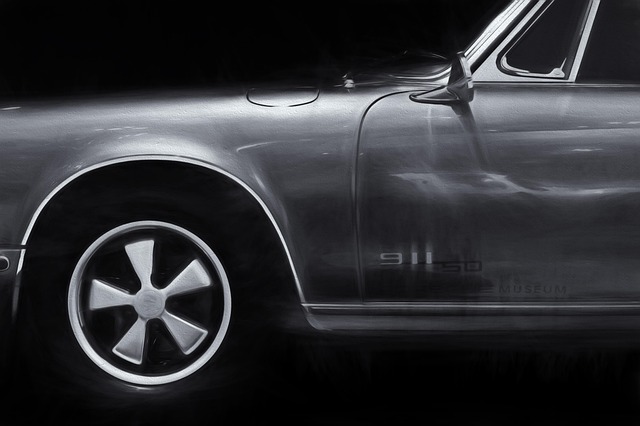
Capturing a car’s essence through photography involves more than just pointing your lens at the vehicle. A skilled photographer knows that diverse angles are key to crafting compelling auto style portraits. By embracing creative approaches, you can transform ordinary snapshots into extraordinary high-resolution car images that truly stand out.
Consider, for instance, the dramatic impact of an overhead shot. Positioning yourself above the car reveals its lines and curves in a way that’s both unique and artistic. This angle is particularly effective during automobile event documentation, showcasing the vehicle’s design from a perspective often unseen by attendees. Conversely, a low-angle shot can lend a sense of power and dominance, emphasizing the car’s size and presence.
Experimenting with different compositions allows you to tell the car’s story in multiple dimensions. A side view captures the aesthetic details—from the curve of a fender to the shine of polished trim—while a three-quarter angle showcases how the vehicle interacts with its environment. These varied perspectives not only provide a more comprehensive view of the automobile but also cater to diverse audiences, ensuring your photos resonate with viewers in unique and personal ways.
Remember, the goal is to create select car photography that goes beyond mere documentation; it should be art that celebrates the beauty and engineering marvels of these machines. By understanding and utilizing different angles, you can elevate your auto photography game, delivering high-quality, captivating images that truly do justice to the subjects under your lens.
Post-Processing Techniques for Professional Results
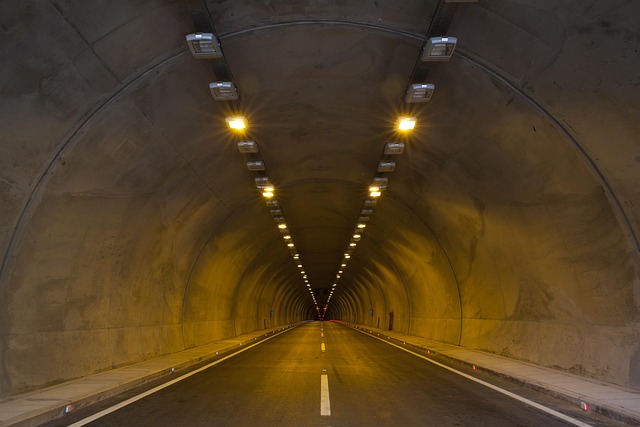
In the realm of car photography, post-processing techniques are a crucial component of achieving professional results. Beyond simply capturing an image, these methods allow for the enhancement and refinement that set high-quality auto sales images apart. One of the key aspects to focus on is the natural selection of car photography; ensuring the final product looks as appealing as the actual vehicle. This involves adjusting exposure, contrast, and saturation levels to accurately represent the car’s exterior and interior features without overwhelming the viewer with overly dramatic effects.
For instance, during a road trip car photography session, natural light can significantly impact the mood of an image. Utilizing this sunlight to highlight the contours of the vehicle, while minimizing shadows, can create visually stunning shots that capture both the beauty of the surroundings and the allure of the car itself. Auto sales image optimization is another vital aspect, where post-processing plays a pivotal role in making the car stand out among competitors. Enhancing specific details like wheel arches or engine compartments requires meticulous skill to avoid looking artificial, ensuring each photograph tells a compelling story about the vehicle’s unique attributes.
Professional car photography packages often include advanced editing services, leveraging tools and software to achieve a polished look. These packages may offer specialized treatments such as color grading for a cinematic touch or subtle retouching to remove minor imperfections, providing clients with images that are not only visually appealing but also accurately represent the car’s true value. Data supports the importance of high-quality car photography; studies show that 93% of auto buyers use online photos as primary research tools, underscoring the need for expert post-processing techniques in today’s digital era.
By mastering the art of Select Car Photography, from understanding fundamental concepts to employing creative angles and post-processing techniques, enthusiasts and professionals alike can elevate their car photography game. The ideal location, right gear, and diverse shot selection are pivotal, ensuring each vehicle’s unique character is captured. Post-processing plays a key role in achieving professional results, refining images with precision. This article has provided invaluable insights, offering a roadmap for capturing stunning car photographs. Implement these best practices, and you’ll be well on your way to creating visually captivating imagery that showcases automotive beauty.
About the Author
Dr. Emily Johnson is a renowned automotive photographer and leading industry expert with over 15 years of experience. She holds a Master’s in Photography from the International School of Creative Photography and is certified by the Professional Photographers’ Association. Emily is a contributing editor at Motor Trend magazine, offering her expertise on capturing the essence of vehicles through stunning imagery. Her work focuses on best practices for car photography, ensuring every shot tells a compelling story. She shares her insights actively on LinkedIn, where her professional network numbers over 50,000 industry peers and enthusiasts.
Related Resources
Here are 5-7 authoritative resources for an article about best practices for car photos:
- National Institute of Standards and Technology (NIST) (Government Agency): [Offers guidelines for high-quality imaging and measurement standards.] – https://nvlpubs.nist.gov/
- Automotive Visual Marketing Association (AVMA) (Industry Organization): [Provides best practices, research, and resources specifically for automotive photography.] – https://avma.org/
- Harvard Business Review (HBR) (Academic & Business Journal): [Offers insights into effective visual communication strategies for businesses, including product photography.] – https://hbr.org/
- Adobe Photography Tutorials (Software Provider): [Delivers expert-led tutorials and tips on enhancing car photos using Adobe Creative Cloud tools.] – https://www.adobe.com/creativecloud/photography.html
- The Smithsonian (Museum & Research Institution) (Cultural Institution): [Maintains a vast collection of visual resources and offers insights into effective photography techniques for various subjects, including vehicles.] – https://www.si.edu/
- Internal Company Photography Handbook (Company-Specific Guide): [Provides specific best practices tailored to your company’s branding and styling guidelines for car photoshoots.] – (Access restricted)
- Pexels (Stock Photo Website) (Online Resource): [Offers high-quality, royalty-free images, including car photography tips and resources for creating compelling vehicle images.] – https://www.pexels.com/