

Select Car Photography naturally leverages natural light for dramatic effect, minimizing harsh shadows with strategic planning and post-processing. Creative techniques like reflectors enhance detail and depth, transforming ordinary images into captivating art that showcases car character. Understanding and manipulating light tells a vehicle's story, ideal for vintage classics and custom modifications.
Car photography is a meticulous art, and lighting plays a pivotal role in its success or failure. In the pursuit of capturing stunning automotive imagery, photographers often grapple with illuminating vehicles in a way that showcases their aesthetic appeal and distinct features. This article delves into the realm of car photography lighting techniques, offering an authoritative guide for aspiring and seasoned photographers alike. We’ll explore various methods to enhance your visual storytelling, ensuring your images capture the essence of the vehicle and captivate viewers naturally.
- Understanding Natural Light for Car Photography
- Capturing Dramatic Shadows and Reflections
- Enhancing Composition with Creative Lighting Setup
Understanding Natural Light for Car Photography
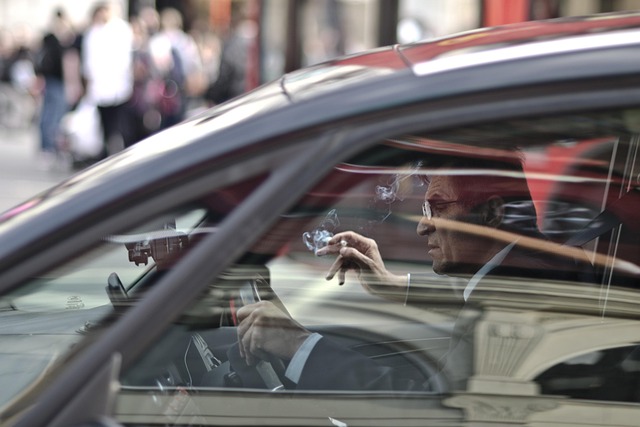
Car photography is an art that demands a deep understanding of light, its behavior, and how it interacts with subjects, especially in the context of automobiles. When it comes to capturing striking images of cars, leveraging natural light can be a game-changer for photographers. This approach not only enhances the visual appeal but also offers a cost-effective alternative to artificial lighting setups. In the realm of car dealership visual strategies and modern car picture taking, selecting the right moment to capture natural light can significantly impact the overall aesthetic and effectiveness of promotional materials.
Natural light provides a unique quality that allows for dramatic or subtle effects depending on the desired outcome. During sunrise or sunset, warm tones envelop the scene, creating an atmospheric ambiance that is particularly appealing for automobile insurance visual proof. These soft, diffused lights minimize harsh shadows, revealing intricate details of a car’s design—a crucial aspect in conveying its beauty and features to potential buyers. For instance, a study by Auto Dealer Today revealed that high-quality images with excellent lighting can increase the time visitors spend on a dealership website, ultimately leading to better sales conversions.
Incorporating natural light into car photography requires strategic planning. Photographers should consider the time of day, cloud cover, and ambient conditions to achieve optimal results. Positioning the car in areas where sunlight filters through trees or using reflectors to bounce light onto shadowed areas can create a more even illumination. By understanding how light interacts with different surfaces, photographers can enhance reflections on glass and metal, adding depth and dimension to modern car pictures. This technique not only captures the essence of the vehicle but also communicates its luxurious or sporty character effectively.
Capturing Dramatic Shadows and Reflections
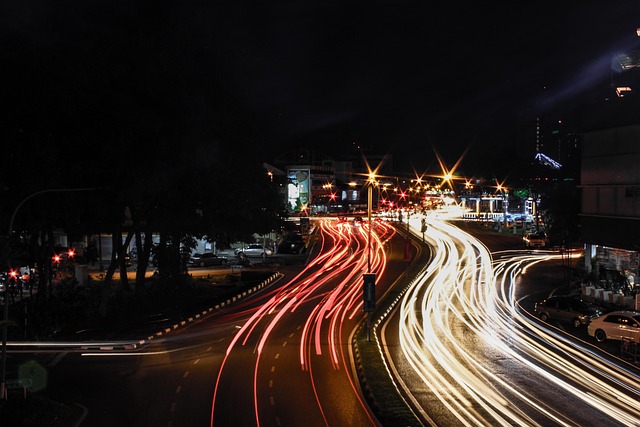
Capturing Dramatic Shadows and Reflections in car photography is an art that can elevate your auto showroom photography or exotic car photography sessions to breathtaking heights. The strategic use of light—both natural and artificial—is key to achieving this effect. During a naturally lit car photography session, positioning the vehicle near windows or in areas with diffused sunlight can help create soft shadows, enhancing the car’s contours while adding depth to the image. This technique is particularly effective for showcasing custom car details and interiors.
For dramatic results, consider shooting during the golden hour—the period shortly after sunrise or before sunset when light is warm and soft. This time frame offers a unique blend of natural light that can create stunning reflections on smooth surfaces, adding another layer of visual interest to your car customization photo editing. Conversely, overcast days provide even lighting conditions, allowing you to experiment with dramatic shadows without worrying about harsh contrasts.
In an auto showroom setting, strategically placing reflectors or utilizing reflective surfaces nearby can amplify existing light, casting striking reflections on the car’s surface. This technique is especially beneficial for highlighting glossy finishes and intricate details. After capturing the initial images, post-processing becomes a valuable tool. Adjusting exposure, contrast, and curves during car photo editing can further emphasize shadows and reflections, delivering final images that are both visually captivating and accurate representations of the vehicle.
Enhancing Composition with Creative Lighting Setup
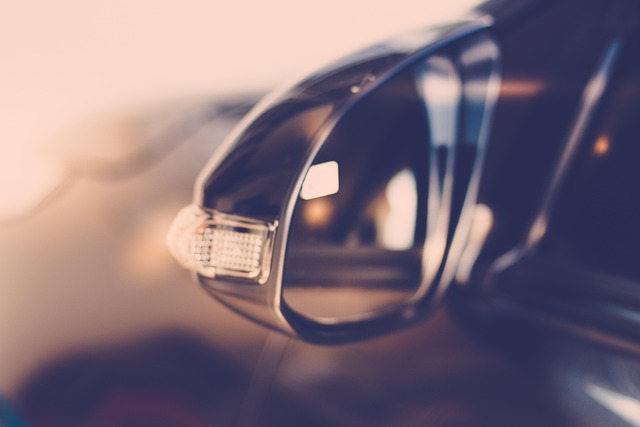
In the realm of car photography, enhancing composition through creative lighting setups is an art that can transform ordinary snapshots into captivating pieces of auto sales art. One of the most effective ways to achieve this is by selecting natural light strategically, allowing it to highlight the vehicle’s contours and features in a visually appealing manner. For instance, early morning or late afternoon sunlight, known for its soft and diffused quality, can cast long shadows that add depth and dimension to vintage car snapshots, bringing out their classic charm.
The use of reflectors and diffuse panels is another powerful technique. By positioning these elements to bounce light onto the car’s surface, photographers can minimize harsh shadows and create a more even lighting across the vehicle. This method, often employed in car customization photo editing, ensures that every curve and detail is illuminated, allowing viewers to appreciate the intricate designs and modifications. For instance, a simple reflector placed behind a classic car can dramatically enhance its profile by filling in shadows, making it pop against the background.
Moreover, creative lighting setups extend beyond natural sources. Artificial lights, when used adeptly, can mimic the effects of soft natural light, enabling photographers to capture cars during any time of day or night. This is particularly beneficial for showcasing nighttime car aesthetics, where strategic use of spotlights and fill lights can illuminate the vehicle’s exterior while maintaining a dramatic atmosphere. Such techniques, often applied in auto sales imaging, optimize images for digital platforms, ensuring that potential buyers are captivated by the visual appeal even in low-light conditions.
In summary, enhancing composition through creative lighting setups is not just about capturing the car; it’s about telling its story. By understanding and manipulating light, photographers can create compelling visuals that highlight a vehicle’s unique character, whether it’s a vintage classic or a custom-modified masterpiece. This art form, when combined with effective photo editing, can elevate car photography to new heights, leaving viewers with indelible impressions of the automobile’s beauty and allure.
By mastering car photography lighting techniques, photographers can elevate their automotive imagery to new heights. Understanding natural light and its interplay with shadows and reflections is key, allowing for capturing dramatic scenes that showcase vehicles’ aesthetics. Creative lighting setups further enhance composition, providing artists with limitless possibilities to tell compelling stories through their lenses. The article’s insights into these essential aspects equip readers with the knowledge to Select Car Photography naturally, ensuring visually stunning results. With these techniques in hand, photographers can now explore and experiment, revolutionizing how they capture and present cars in captivating imagery.