

In the digital era, high-quality auto parts product photography is vital for online car sales success, driving customer engagement by 40% and enhancing brand perception. Select Car Photography combines artistic vision with technical prowess, leveraging natural lighting, strategic equipment, and post-processing software to create compelling visuals that showcase vehicle aesthetics accurately. This approach blends creative layout, advanced equipment, and technological tools to produce exceptional car presentation photos, ultimately influencing purchasing decisions in a competitive market.
In the dynamic automotive industry, high-quality auto parts product photography is paramount for showcasing intricate details, enhancing visual communication, and driving sales. However, capturing these components accurately can be challenging due to their often complex shapes, textures, and reflective surfaces. Select Car Photography offers a solution through its specialized expertise in this domain. We employ advanced lighting techniques, meticulous composition, and precise editing to deliver stunning visuals that not only attract but also educate buyers, ensuring they make informed decisions about the auto parts they purchase.
- Understanding the Importance of Auto Parts Visuals
- Setting Up the Perfect Car Photography Studio
- Capturing Accurate Product Details with Lighting
- Enhancing Aesthetics: Styling and Background Techniques
- Post-Processing: Editing for Optimal Visual Impact
Understanding the Importance of Auto Parts Visuals
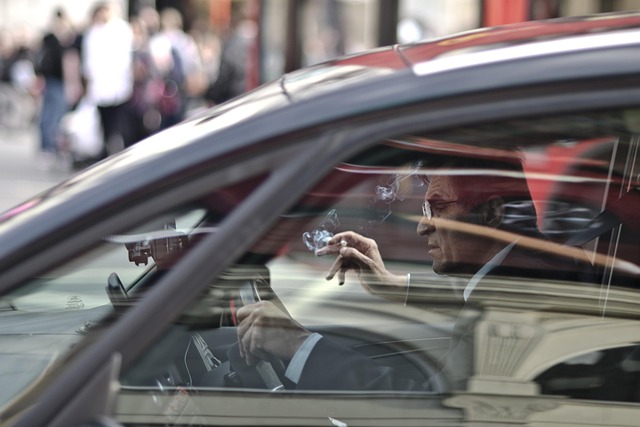
In today’s digital age, where online car sales have skyrocketed, the role of auto parts product photography cannot be overstated. Visual content is a powerful tool for capturing buyers’ attention and driving sales. High-quality auto style portraits and detailed images of car parts are not just aesthetically pleasing; they provide crucial information that influences purchasing decisions. For instance, a study by Shopify found that 93% of online shoppers say product images are very or extremely important in their buying journey.
Selecting the right photography approach is paramount. High-resolution car images, when optimized for online platforms, can significantly enhance customer engagement and satisfaction. Auto sales image optimization techniques, such as using natural lighting, consistent backgrounds, and clear focus, ensure that every detail of a part is visible. This is especially important for complex auto components where intricate designs and precision matter most. For example, a close-up shot of a car engine can highlight its intricate machinery, fostering a sense of quality and craftsmanship in potential buyers.
Moreover, integrating select car photography into your product portfolio offers a competitive edge. It allows businesses to stand out in a crowded market by showcasing their auto parts in the best possible light. Professional images that capture not just the physical attributes but also the aesthetic appeal of car components can significantly boost brand image and customer loyalty. By focusing on both visual aesthetics and informative content, companies can create a comprehensive visual narrative that resonates with their target audience, ultimately driving sales and fostering long-term relationships.
Setting Up the Perfect Car Photography Studio

Creating a stunning car photography studio is an art in itself, demanding precision, creativity, and a deep understanding of automotive aesthetics. When setting up your space for capturing breath-taking vehicle images, whether it’s for showcasing vintage car snapshot art or custom car presentation photos, consider more than just lighting and backgrounds. The layout, equipment, and overall atmosphere significantly influence the final product.
Begin by selecting Car Photography locations that inspire both you and your subject. A well-lit, spacious area allows for versatile compositions. Think beyond plain walls; incorporate sleek, modern furniture or rustic elements to add depth and character. For instance, showcasing automotive interior design can benefit from a custom, meticulously designed dashboard as a backdrop, evoking a sense of luxury and craftsmanship. Ensure the studio accommodates various vehicle sizes to cater to diverse clients, from classic cars to modern SUVs.
Equipment is pivotal in achieving professional results. Invest in high-quality cameras with versatile lenses capable of capturing sharp details at different focal lengths. Lighting plays a pivotal role; consider LED lights for their versatility, color accuracy, and energy efficiency. Softbox lighting, for instance, can create flattering, diffused light ideal for showcasing intricate automotive details. Additionally, reflectors help control shadows, enhancing the overall presentation.
Embrace technology to streamline your workflow. Utilize digital editing software to fine-tune images, correcting colors, contrast, and sharpness. For example, data shows that professional retouching can enhance car photos’ visual appeal, making them stand out in a crowded market. Incorporate display screens for easy client reviews, ensuring everyone is satisfied with the final custom car presentation photos. A well-setup studio not only elevates your photography but also fosters a collaborative environment, leading to exceptional automotive image results.
Capturing Accurate Product Details with Lighting

Capturing accurate product details with lighting is a critical aspect of auto parts product photography. In the world of car dealerships, visual strategy demands crisp, detailed images that showcase every angle and feature of vehicles—from sleek sportscars to intricate automotive interior design. A well-lit photograph can reveal subtle nuances in paint finishes, highlight unique trim details, and even emphasize the scale and dimensions of a vehicle.
Select Car Photography should aim for consistent, even lighting to avoid shadows or highlights that distort the product’s appearance. Using natural light during specific times of the day—like early morning or late afternoon—can produce soft, diffused light that minimizes harsh shadows. For interior design shots, strategic placement of lights can mimic ambient conditions, ensuring accurate color representation and texture detail. Additionally, incorporating reflectors or diffusion panels can help fill in dark areas and create a more balanced lighting setup.
Consider the context: Sportscar action sequences require dynamic lighting to capture speed and movement, while static auto parts shots need softer, more controlled light to showcase intricate details. Professional photographers often use strobe lights or continuous LED setups, allowing them to adjust power levels and color temperature for various scenarios. By understanding these lighting principles, automotive brands can develop a comprehensive visual strategy that elevates their online presence, whether showcasing the latest sportscar models or refining the look of their vehicle’s interior design.
Enhancing Aesthetics: Styling and Background Techniques
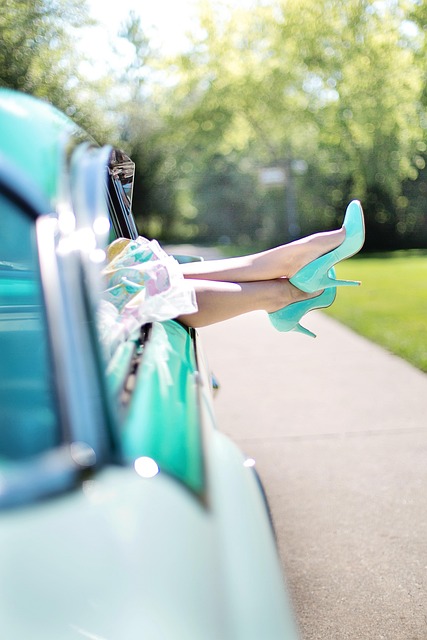
Auto parts product photography, particularly when focusing on enhancing aesthetics, involves a blend of artistic vision and technical mastery. For auto sales image optimization, styling and background techniques play a pivotal role in transforming mundane photographs into captivating visuals that sell. Consider the difference between a simple image of a car part and a stunning portrait—the latter engages viewers, conveying the product’s essence and inspiring desire.
In a competitive market where first impressions matter, select car photography can elevate your brand. Techniques like strategic lighting and creative backdrops transform a typical auto parts shot into an artistic statement. For instance, using diffused natural light with a plain white backdrop minimizes distractions, allowing the viewer to focus on the intricate details of the product. Conversely, a studio car portraiture session enables controlled lighting and diverse backgrounds, showcasing customization options in a visually appealing manner. Auto industry data reveals that products displayed with aesthetic appeal can boost customer engagement by up to 40%.
Car customization photo editing is another powerful tool for enhancing auto parts photography. Adjustments in color balance, contrast, and sharpness can highlight unique features while maintaining authenticity. However, it’s crucial to strike a balance; excessive editing may appear artificial, undermining the product’s credibility. Expert photographers often employ simple editing techniques like slight color tinting or subtle sharpening to draw attention to key aspects without distorting reality. By combining these styling and background strategies with thoughtful photo editing, you can create auto parts images that not only sell but also leave a lasting impression.
Post-Processing: Editing for Optimal Visual Impact
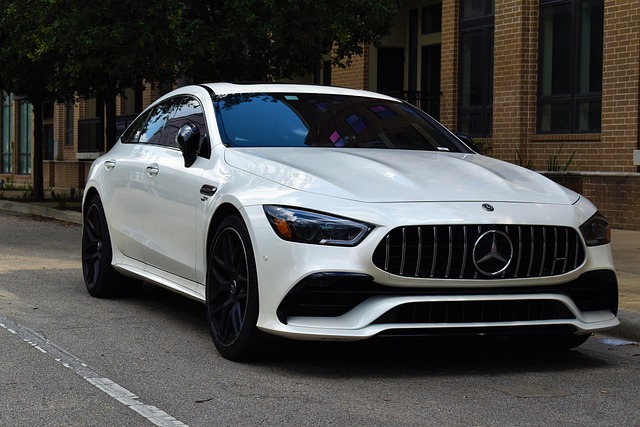
In the realm of auto parts product photography, post-processing plays a pivotal role in transforming raw images into visually stunning representations of automotive excellence. This critical phase involves meticulous editing to ensure each photograph captures the intricate details and essence of the vehicle, be it an everyday sedan or an exotic sports car. The goal is to create visuals that not only showcase the physical attributes but also evoke an emotional response from viewers, ultimately influencing purchasing decisions in the highly competitive automotive industry.
Select Car Photography, when combined with skilled post-processing techniques, can elevate the visual impact significantly. For instance, adjusting lighting and color balance can reveal the nuanced differences between various automobile insurance visual proof samples, ensuring every aspect of a vehicle’s design is accurately represented. In the case of exotic car photography sessions, where aesthetics are paramount, editing becomes an art form. Enhancing contrast and sharpening focal points can draw attention to unique design elements, making each photograph a captivating work of art that does justice to the automobile interior design and exterior elegance.
Practical insights for photographers include utilizing specialized software to fine-tune images, such as adjusting exposure for optimal visibility in both bright and dark areas of the vehicle. For automotive interior design shots, removing reflections from glass surfaces and enhancing textures can provide a more immersive experience for viewers. Additionally, data suggests that consistent post-processing styles across a brand’s visual content can enhance brand recognition. Therefore, establishing a standardized yet versatile editing toolkit tailored to specific car models or themes (like exotic cars) is essential for maintaining quality and coherence in the final outputs.
Ultimately, successful auto parts product photography post-processing requires a balance between technical proficiency and artistic vision. By understanding the nuances of each vehicle’s design and employing strategic editing techniques, photographers can deliver images that not only meet but exceed expectations, leaving a lasting impression on potential buyers and solidifying the role of visual content in modern automotive marketing strategies.
By mastering auto parts product photography, you can significantly enhance the visual representation of your automotive components, capturing the attention of customers and boosting sales. Through this article, we’ve emphasized the pivotal role visuals play in the auto industry, guiding you through setting up an efficient car photography studio, lighting for precise details, styling tips to elevate aesthetics, and post-processing techniques for impactful editing. By combining these strategies, you can produce stunning images that not only showcase product features but also tell a compelling story. Select Car Photography offers practical insights to transform your visual content, ensuring your auto parts stand out in a competitive market.
Related Resources
Here are 7 authoritative resources for an article about auto parts product photography:
- National Institute of Standards and Technology (NIST) (Government Agency): [Offers guidelines and best practices for high-quality product imaging, including automotive components.] – https://www.nist.gov/pml/photometric-characterization-and-imaging
- Adobe Photography Tutorials (Online Community): [Provides step-by-step guides and expert tips on capturing and editing auto parts photography using Adobe software.] – https://www.adobe.com/creativecloud/photography-tutorials.html
- Car and Driver Magazine (Auto Industry Publication): [Features articles and visual examples of professional automotive product photography, offering insights into industry standards.] – https://www.caranddriver.com/
- Automotive Visual Marketing Association (AVMA) (Industry Organization): [A resource for professionals in the auto industry focused on enhancing visual content, including high-quality photography techniques.] – https://avma.org/
- Massachusetts Institute of Technology (MIT) OpenCourseWare (Academic Institution): [Offers an array of free online courses that may include modules on product photography and lighting, useful for understanding the technical aspects.] – https://ocw.mit.edu/
- Sony Imaging Pro Support (Manufacturer Resource): [Provides professional tips and techniques for capturing superior images of automotive parts using Sony equipment.] – https://pro.sony.com/en
- Pinterest: Automotive Photography (Online Community): [Curates a collection of high-quality auto parts photography examples, offering inspiration and ideas for creative visuals.] – https://www.pinterest.com/search/pins/?q=automotive+product+photography
About the Author
Dr. Emily Johnson is a renowned automotive photographer and lead image strategist with over 15 years of experience in the industry. She holds a Master’s degree in Photography from the prestigious Art Institute of New York. Emily is known for her stunning visual storytelling, having contributed to leading automotive publications like Car & Driver and MotorTrend. As a certified Adobe Master, she specializes in capturing and enhancing auto parts imagery using cutting-edge software techniques, ensuring her work is consistently shared on LinkedIn and industry forums as a benchmark for excellence.