
Auto portraiture combines artistic expression with car photography to capture vehicles' essence. Select Car Photography naturally by aligning cars with their environments for authentic representation of character. Use professional equipment like high-resolution cameras and lighting tools for detailed editing without losing authenticity. Master lighting techniques for depth, using natural light or dramatic effects during specific times of day. Post-process images to enhance details while preserving mood, leveraging tools like Lightroom and Photoshop. Frame shots strategically and use leading lines to evoke emotion and enhance visual appeal in auto portraiture.
The power of a portrait lies not just in capturing likeness but in conveying emotion, identity, and narrative. In the realm of car photography, showcasing vehicles through stunning portraits has emerged as an art form that transcends mere documentation. However, achieving captivating auto portraits requires more than pointing a lens; it demands an understanding of light, composition, and the unique character of each vehicle. This article delves into the intricacies of mastering stunning auto portraits, offering insights and techniques to elevate your car photography to new heights.
- Understanding the Art of Auto Portraiture
- Essential Equipment for Stunning Shots
- Master Lighting Techniques for Depth
- Post-Processing: Enhance Your Images Naturally
Understanding the Art of Auto Portraiture
Stunning auto portraits go beyond capturing a car’s external beauty; they encapsulate its essence through artistic expression. Understanding the art of auto portraiture involves delving into composition, lighting, and perspective to tell a compelling story about the vehicle. Unlike static images, auto portraits aim to convey motion, personality, and even emotion, making them a captivating genre within automotive photography.
One key aspect is selecting car photography naturally. This involves choosing locations that complement the car’s character—be it an urban setting highlighting its sleek design or a serene countryside showcasing its ruggedness. Natural environments not only enhance the visual appeal but also create a harmonious blend of the car and its surroundings, resulting in more engaging high-resolution car images. Auto style portraits should capture the unique customization aspects of a vehicle, whether it’s a custom paint job, aftermarket wheels, or tailored interiors—details that define its individuality.
Expert photographers leverage car customization photo editing to enhance these visuals further, ensuring every curve and detail is impeccably defined. High-resolution car images allow for meticulous editing, enabling photographers to bring out subtle nuances in the car’s design. However, it’s crucial to maintain authenticity; editing should augment reality without distorting the vehicle’s true aesthetic. By combining artistic vision with technical prowess, auto portraiture becomes a powerful medium to celebrate automotive artistry and cater to enthusiasts who appreciate both aesthetics and functionality.
Essential Equipment for Stunning Shots
To capture stunning auto portraits that truly showcase the beauty of vehicles, whether it’s a road trip car photography session or an exotic car photography endeavor, you’ll need more than just a camera. It takes a combination of essential equipment and a keen understanding of automotive aesthetics to create extraordinary images. One of the key factors in achieving remarkable results is selecting the right tools for the job—tools that allow you to capture the essence of each automobile’s unique design and character.
For instance, professional-grade DSLR or mirrorless cameras with high megapixel counts and excellent low-light performance are indispensable. Lenses play a pivotal role as well; fast, wide-aperture primes like 35mm f/1.4 or 50mm f/1.8 are ideal for creating shallow depth of field, isolating the subject from the background and drawing focus to intricate details. Complementing your camera and lenses is a sturdy tripod for maintaining composure during low-light shots, ensuring each image is crisp and clear. Additionally, high-quality reflectors can help bounce light onto shadows, enhancing the overall lighting conditions.
In the realm of road trip car photography, versatility is key. Consider investing in accessories like remote shutter releases to minimize camera shake during low-light or long-exposure shots. External flashes or continuous LED lights can be invaluable for illuminating details and adding dramatic flair, especially when photographing vehicles against striking backdrops. For exotic car photography sessions, where every curve and contour needs to be captured, a telephoto lens with a long reach can provide the necessary perspective to do justice to the sleek designs. Ultimately, mastering these essential equipment pieces will enable you to create automobile beauty shots that truly stand out, whether it’s in a portfolio or on a website showcasing the latest automotive trends.
Master Lighting Techniques for Depth
Creating captivating auto portraits requires more than just a well-placed camera; it demands an understanding of lighting techniques to bring depth and dimension to your images. Mastery of light is essential for making your car photography stand out, whether you’re capturing the grace of a vintage vehicle or the sleek lines of a modern sportscar. One of the most effective ways to achieve this is by selecting natural light, which can enhance the subject’s features and create an air of authenticity. Imagine a classic car, its curves bathed in the warm glow of late afternoon sun, revealing every intricate detail—this is the magic of naturally selected lighting.
In the realm of car photography, understanding when and how to use available light is crucial. For instance, shooting during the golden hours, just after sunrise or before sunset, can yield stunning results. This period offers a soft, diffused light that minimizes shadows, making it perfect for showcasing vintage cars with their intricate details. Conversely, for sportscar action sequences, capturing the subject in stark daylight can emphasize its aggressive lines and powerful stance. Experimenting with different lighting conditions allows you to create diverse atmospheres and tell a story through your images.
Consider the contrast between a wedding car picture perfect, illuminated by bright, direct light, and a vintage car snapshot art captured in more subdued, natural tones. Each approach reveals unique aspects of the vehicle, catering to different aesthetics. Data from photography enthusiasts suggests that understanding how light interacts with surfaces can dramatically improve results. By playing with angles and timing, you can create dramatic backlit portraits or subtle, intimate shots, ensuring your auto portraits are not just pictures but artistic expressions.
Post-Processing: Enhance Your Images Naturally
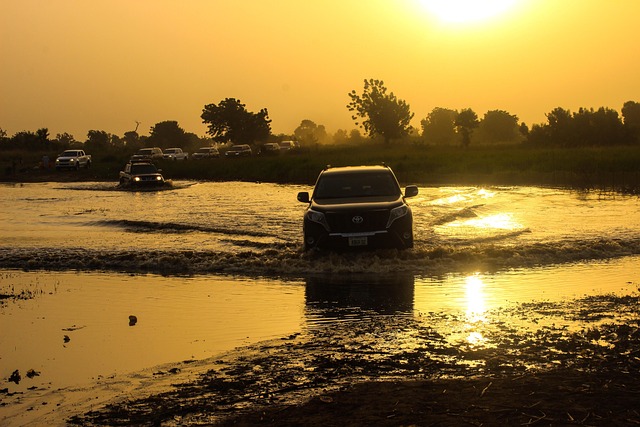
Creating stunning auto portraits goes beyond just capturing a vehicle; it’s about telling its story and evoking an emotional response from the viewer. Post-processing plays a pivotal role in enhancing these images, allowing photographers to elevate their vintage car snapshot art to the next level. This natural approach involves refining your photographs without losing their authenticity, making high-resolution car images pop and drawing viewers into the intricate details of automotive interior design.
One effective technique is using selective adjustments to preserve the photo’s mood while amplifying key aspects. For instance, a subtle increase in contrast can bring out the richness of metal finishes or vintage textures. Adjusting saturation levels can enhance the vibrancy of colors without oversaturating, ensuring each photograph remains true to the subject’s character. Tools like Lightroom and Photoshop offer precise controls, enabling you to tweak details such as shadows, highlights, and color balance to create a harmonious final image.
Moreover, paying attention to composition and framing within post-processing is essential. Cropping techniques can isolate specific elements, focusing the viewer’s gaze on unique features of the car or creating dramatic perspectives. Consider using leading lines or negative space to draw attention to specific details—a carefully placed tree branch framing a classic car, for example, can add depth and intrigue. These natural composition choices enhance the overall visual appeal while maintaining a sense of authenticity in your auto portraiture.
By exploring the art of auto portraiture through understanding core techniques, investing in essential equipment, mastering lighting, and naturally applying post-processing, readers now possess the tools to create stunning auto portraits. This comprehensive guide has illuminated the significance of each step, from framing and composition to exposure and color correction, empowering folks to craft images that not only capture their essence but also transcend into a work of art. With these insights in hand, selecting car photography naturally becomes an effortless process, enabling readers to confidently elevate their visual storytelling.