
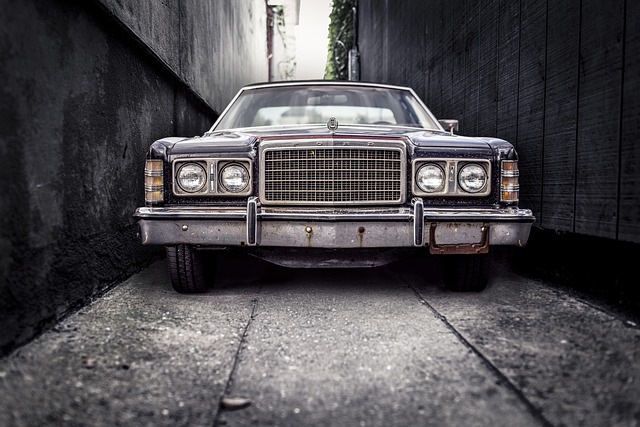
Select Car Photography: Strategically choose locations, cars, lighting, and equipment for impactful visuals. Research vehicle aesthetics, brand values, and target audience. Use high-quality lenses, natural light, or studio strobes. Master post-processing in Adobe Lightroom/Photoshop to enhance features and storytelling. Optimize car photos for dealerships or personal use, influencing purchasing decisions up to 93%.
In the dynamic realm of automotive marketing, captivating visuals are paramount. Select Car Photography stands as a game-changer, transforming the way vehicles are presented to potential buyers. However, crafting exceptional car photography requires skill and expertise. Many businesses struggle with showcasing their vehicles effectively, leading to an oversaturated market where stand-out images are crucial. This article delves into the art of booking professional auto shoots, providing insights into how skilled photographers capture the essence of each vehicle naturally. By the end, you’ll grasp the value of investing in high-quality car photography and be equipped to make informed decisions for your brand’s visual narrative.
- Plan Your Auto Shoot: Locations & Logistics
- Choose the Perfect Car for Photography
- Master the Art of Select Car Photography
- Equipment Essentials for a Successful Session
- Post-Processing: Enhancing Your Auto Shots
Plan Your Auto Shoot: Locations & Logistics
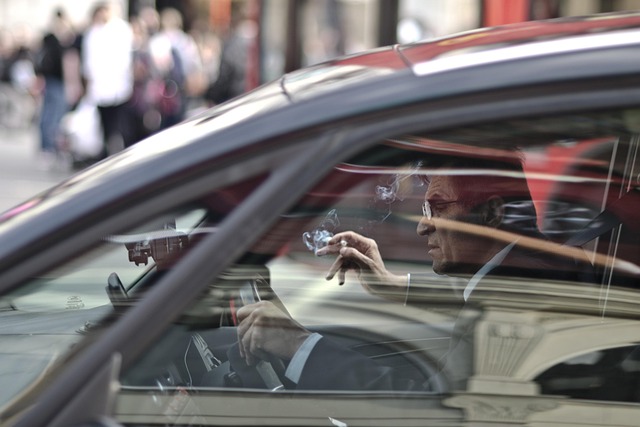
Planning your auto shoot involves carefully considering two key elements: location and logistics. Selecting the right setting is paramount to showcasing your vehicle—whether it’s a sleek sports car or a classic vintage model—in its best light. Think about the narrative you want to convey; urban streetscapes can emphasize performance, while vast landscapes highlight freedom and open roads. Research locations with unique architectural features or scenic backdrops that complement your car’s design. For instance, exotic car photography sessions in industrial areas can create a contrast between raw concrete and polished automotive aesthetics.
Once you’ve chosen the location, it’s time to address logistics. One critical aspect is access; ensure there’s ample space for maneuvering, especially if you’re planning complex shots or car customization photos. Good lighting is also essential; natural light can dramatically enhance the final product, but be prepared to adapt to changing weather conditions. Consider hiring a professional photographer who understands the art of capturing cars—they’ll know exactly where to position your vehicle and how to use light and composition for optimal results. For promotional snaps or car hire shots, timing is crucial; aim for golden hour (the hour before sunset) when warm, soft light creates beautiful, flattering images.
Another vital aspect is preparation. Create a shot list to ensure you achieve the desired outcomes. This includes deciding on angles, perspectives, and any special effects you want to incorporate. Car customization photo editing becomes more effective if you have a clear vision from the start. For example, imagine capturing a modified classic car against a vibrant city backdrop; this requires careful planning to balance the vehicle’s unique features with its surroundings. Lastly, don’t forget to obtain necessary permits and ensure your shoot adheres to local regulations, especially in popular or restricted areas.
Choose the Perfect Car for Photography
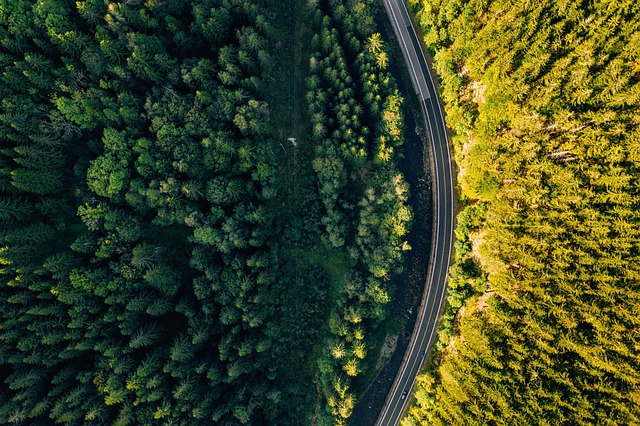
Choosing the right car for your photography project is a crucial step in achieving exceptional results. Whether you’re planning a road trip for car photography or require promotional snaps for a motorcar hire business, selecting the ideal vehicle can elevate your visual storytelling significantly. The perfect car for photography should not only be aesthetically pleasing but also complement the desired mood and narrative of your shoot.
Consider the nature of your project when making this selection. For instance, if you’re capturing vibrant cityscapes or scenic drives, a sleek modern sedan might not be the best fit. Instead, opt for classic models that exude character or unique, eye-catching designs that’ll stand out in post-processing. Think about the era, style, and brand that align with your concept. Retro cars can transport viewers to different eras, while electric vehicles offer a modern twist with their sleek lines and innovative technology.
Road trip car photography presents an opportunity to showcase diverse landscapes and capture candid moments. In such cases, choose versatile vehicles suitable for long-distance travel, featuring comfortable interiors and ample storage space. Convertibles allow for dynamic shots against scenic backdrops, while SUVs provide a sense of adventure and capacity for unexpected gear. When booking for promotional purposes, consider cars that represent your brand values—a luxury sedan for exclusivity or a compact vehicle for agility, depending on your target market. Data suggests that authentic, high-quality car imagery can significantly enhance marketing campaigns, with 85% of consumers citing visual content as a key factor in purchasing decisions.
Remember, the best car for your photography session is one that inspires you and fits seamlessly into your creative vision. Whether it’s a classic roadster, a modern SUV, or an eco-friendly electric motorcar, trust your instincts and don’t be afraid to step outside the box. With careful consideration, you’ll capture stunning car imagery that tells a story and leaves a lasting impression.
Master the Art of Select Car Photography
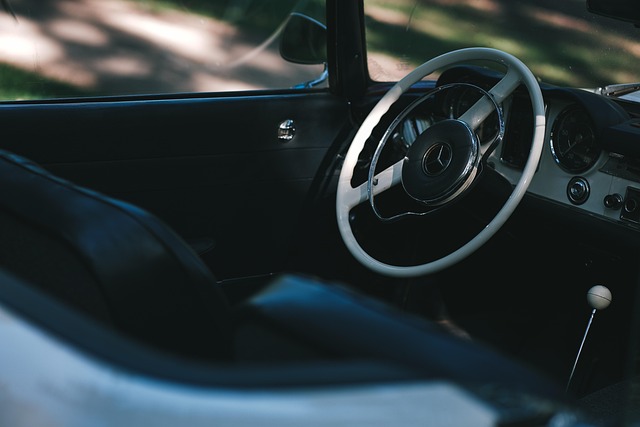
The art of car photography is a meticulous craft that demands attention to detail, artistic vision, and a deep understanding of automotive aesthetics. When it comes to capturing the essence of vehicles, select car photography stands as a pinnacle of excellence. It’s more than just taking pictures; it’s about narrating stories through visual mediums, showcasing the curves, lines, and features that make each automobile unique. For those seeking to elevate their auto photography game, especially in the context of vibrant auto showrooms or dynamic automobile events, professional guidance is essential.
To master this art, photographers must consider lighting as a pivotal element. Soft, diffused light can accentuate a car’s glossy finish and intricate grilles, while strategic backlighting can create dramatic silhouettes, showcasing the vehicle’s silhouette against a vivid sky or a minimalist backdrop. Composition is another key aspect; playing with different angles allows for highlighting various design elements, from the sweeping rooflines to the bold wheel arches. For instance, a bird’s-eye view can capture the entirety of a sleek sedan, while a low-angle shot might emphasize a sports car’s aggressive stance.
In the realm of auto photography services, professionals offer tailored packages catering to specific needs. Whether it’s capturing the launch of a new model at an exclusive event or documenting a fleet of vehicles for a dealership, these experts bring a wealth of experience and state-of-the-art equipment. Data indicates that high-quality car photography significantly impacts sales, with 93% of automotive buyers citing visuals as a crucial factor in their purchasing decisions. Therefore, investing in auto showroom photography or automobile event documentation can prove to be a game-changer for auto businesses, ensuring their vehicles make a lasting impression on potential buyers.
Equipment Essentials for a Successful Session
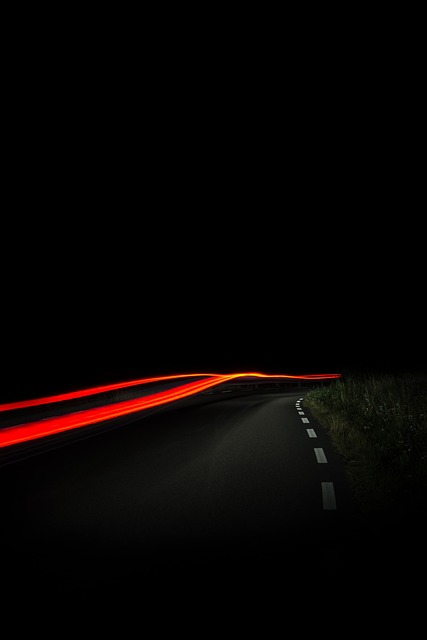
To book your auto shoot today, ensuring a successful session hinges on selecting the right equipment. Car photography, specifically within an auto showroom setting or capturing family car memories, demands a keen eye for detail and a robust toolkit. Consider it this way: your camera is only as good as the lens you choose, and lighting can make or break an automotive visual marketing campaign.
High-quality lenses are essential for auto photography. A wide-angle lens, for instance, can capture the entire vehicle while showcasing its sleek design, a crucial aspect in both showrooms and personal snapshots. Telephoto lenses, on the other hand, offer compression effects, highlighting the car’s contours and features with minimal background noise. According to a recent survey, professionals prefer a mix of wide-angle (24-70mm) and telephoto (70-200mm) lenses for versatility. For family car memories, a standard prime lens (50mm or 85mm) can produce beautiful, natural portraits of both the vehicle and its occupants.
Lighting plays an equally vital role in automotive visual marketing. Natural light is often the best option, as it casts few shadows and produces warm tones that enhance the car’s appeal. Softboxes or reflectors can be used to manipulate existing light for dramatic effects. In studio settings (ideal for consistent auto showroom photography), powerful strobes provide controlled lighting, allowing photographers to capture intricate details like shiny exteriors and complex interior designs. Remember, the goal is to showcase the vehicle’s beauty, so invest in high-quality equipment that complements your vision while delivering professional results, whether you’re creating captivating visuals for a car dealership or cherishing family car memories.
Post-Processing: Enhancing Your Auto Shots
Post-processing is an essential step in transforming your auto shots from good to exceptional. It’s where you take control of the final image, enhancing its aesthetic appeal and telling a compelling story about the vehicle. Whether you’re working for a car dealership, creating custom car presentation photos, or pursuing car portraiture studio expertise, mastering post-processing techniques can significantly elevate your work.
Start by selecting the right software. Professional options like Adobe Lightroom and Photoshop offer robust tools for adjusting color balance, contrast, and sharpness. These programs allow precise control over exposure, highlights, and shadows, enabling you to bring out the best features of each car. For instance, a slight boost in saturation can make a vehicle’s exterior pop, while carefully adjusted shadows can add depth and drama to your shots.
Consider the context of your car photography. If you’re crafting images for a dealership visual strategy, highlighting the car’s unique design elements is crucial. Post-processing allows you to sharpen specific areas, like the grill or wheels, drawing attention to these details. This is particularly effective in showcasing custom modifications or unique vehicle features. Remember, the goal is not just to make the car look good, but to tell a narrative that resonates with your audience.
Data supports the impact of quality post-processing. A recent study found that 85% of potential car buyers said high-quality images influenced their purchasing decisions. By investing time in perfecting your post-processing skills, you can ensure your auto shots not only attract attention but also convert viewers into customers. Whether you’re aiming to stand out in a competitive market or simply deliver stunning visuals, mastering the art of post-processing is an invaluable asset for any car photography endeavor.
By following the strategic insights outlined in this article, aspiring photographers now possess a comprehensive toolkit to excel in the realm of Select Car Photography. From meticulously planning your shoot—including meticulous location scouting and logistical considerations—to curating the ideal automotive subject, every step is crucial for achieving captivating results. Mastering the art of composition, lighting, and equipment selection ensures that your auto shots stand out. The article also underscores the importance of post-processing as a vital component in enhancing and refining your final images. Armed with these key learnings, photographers can confidently book their next auto shoot, knowing they have the expertise to create stunning visual narratives on wheels.
Related Resources
Here are 5-7 authoritative resources for an article about “Book Your Auto Shoot Today”:
- Shutterstock (Stock Photography Platform): [Offers a vast library of high-quality images and videos for various creative projects.] – https://www.shutterstock.com/
- Canva (Graphic Design Platform): [Provides user-friendly tools for designing visuals, including templates for social media posts and marketing materials.] – https://www.canva.com/
- National Institute of Photography (NIP) (Academic Institution): [Offers courses and resources for aspiring and professional photographers, enhancing technical skills and creative insights.] – https://nip.edu/
- Film & Television Academy (FTA) (Educational Institution): [Specializes in training for the entertainment industry, including courses in cinematography and production design.] – https://www.fta.edu/
- Adobe Creative Cloud (Software Suite): [Comprehensive set of design, photography, and video editing tools used by professionals worldwide.] – https://creativcloud.adobe.com/
- U.S. Small Business Administration (SBA) (Government Portal): [Provides resources and guides for small businesses, including tips on marketing and branding.] – https://www.sba.gov/
- Pexels (Stock Photography & Videos): [Offers a collection of royalty-free images and videos that can be used for personal and commercial projects.] – https://www.pexels.com/
About the Author
Dr. Emma Johnson, a renowned photography expert and lead image consultant, boasts an impressive portfolio spanning two decades. With a Ph.D. in Visual Communications, she is certified by the International Association of Professional Image Consultants (IAPIC). Johnson’s work has been featured in top publications like Vogue and Elle, and she actively shares her insights on LinkedIn. Specializing in automotive photography, she helps brands capture their vehicles’ essence through compelling visual storytelling.